
Otsu City / 大津市 (Shiga)
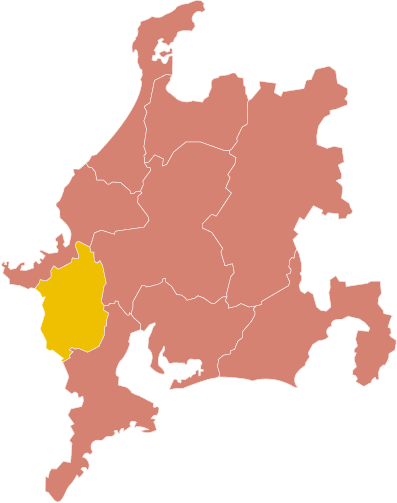
About Otsu City
Otsu City is the largest city in Shiga Prefecture in the southwest of the prefecture. Otsu City has served as the capital of Japan for a brief period before Kyoto became the capital and was known as “Otsu-kyo”. Located right next to the former capital of Japan, Kyoto, Otsu is blessed with both nature and history – along with the largest lake in Japan, Lake Biwa [Biwako], as well as the “mother mountain of Japanese Buddhism”, Mt. Hiei [Hieizan]. Otsu is also home to Omi Jingu [Shrine] paying homage to Emperor Tenji, the one who designated Otsu the capital city in the year 667. Omi Jingu is renowned as a sacred place for “Karuta” [Japanese playing cards].
Getting there and around
by Train
-From JR Tokyo Station and JR Nagoya Station:
Take the JR Tokaido Shinkansen (Bullet Train) and disembark at JR Kyoto Station.
Transfer to JR Biwako Line and disembark at JR Otsu Station.
-From JR Shin-Osaka Station and JR Kyoto Station:
Take the JR Tokaido-Sanyo Main Line and disembark at JR Otsu Station.
by Bus
-Take the Keihan Bus or Omi Bus / Kokoku Bus for public transportation within and around Otsu City.
Points of Interest
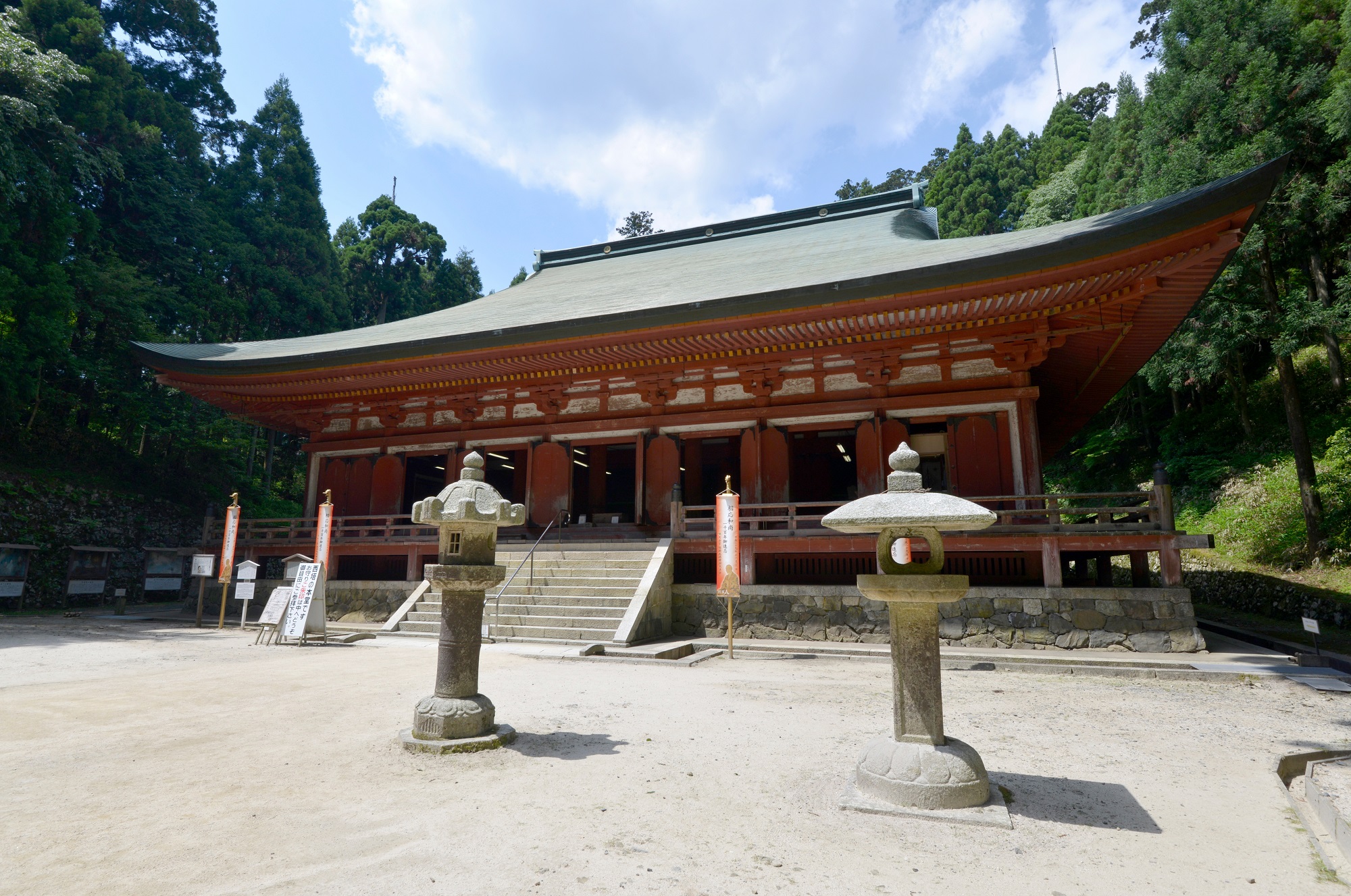
Otsu City is home to numerous historical sites, starting with Enryakuji Temple, the head temple of the Tendai sect of Buddhism; Ishiyamadera Temple, where Murasaki Shikibu is said to have conceived the concept of writing the "Genji Monogatari" ["The Tale of Genji"], the oldest novel of the world); and Oumi Jingu Shrine, dedicated to Emperor Tenji. Also, at the altitude of 1,100 meters above sea level, the panoramic view of the magnificent Lake Biwa is seen at "The Biwako Terrace". The city of Otsu is closely located about 10-minute train ride from Kyoto.
Enryakuji Temple / 比叡山延暦寺 (Shiga)
Biwako [Lake Biwa] / 琵琶湖 (Shiga)
![Biwako [Lake Biwa] / 琵琶湖 (Shiga)](https://nagoya.travel/wp/wp-content/uploads/2023/07/LakeBiwaHero.jpg)
Special Tours
News
Latest news and staff posts from Meitetsu World Travel.
2026.9.16What's new
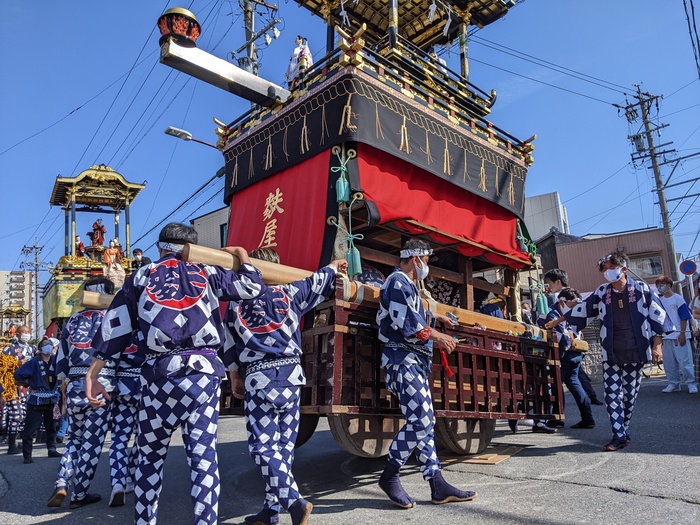
Owari Tsushima Autumn Festival: Experience Traditional Japanese Floats and Karakuri Puppets
2026.8.28What's new
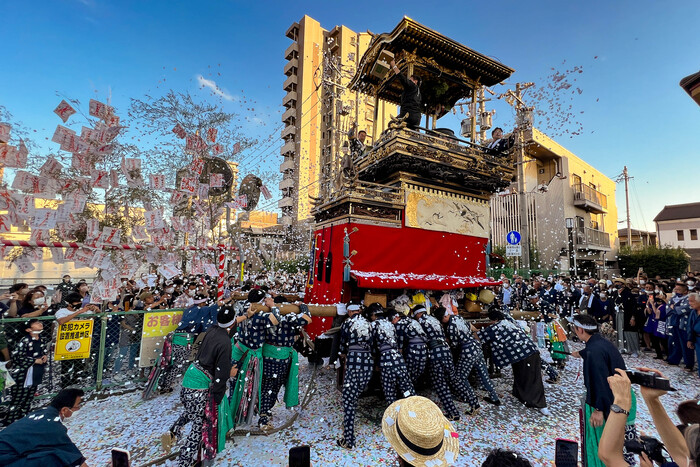
Owari Yokosuka Festival Takes Place in Tokai City, Aichi: A 300-Year-Old Autumn Festival Known for Dynamic Dashi Float Turns

2026.8.20What's new
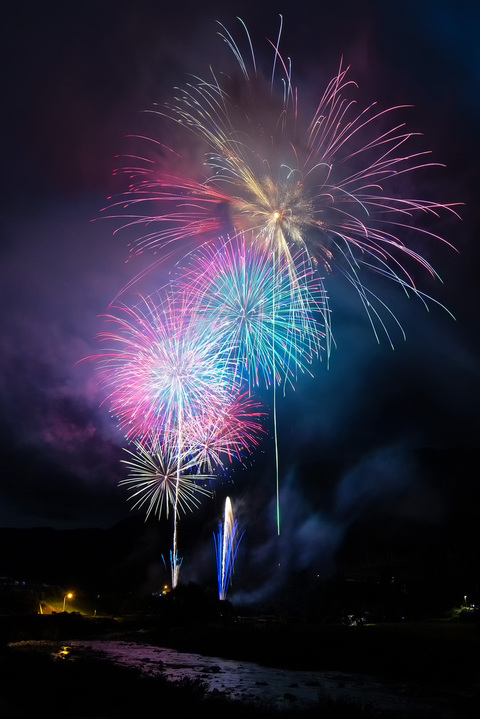
Maze River Grand Fireworks Takes Place in Gero City, Gifu: Fireworks Reflected on One of Japan’s Clearest Rivers
 Nagoya Travel Guide