
Fujisan [Mt. Fuji] / 富士山 (Shizuoka)
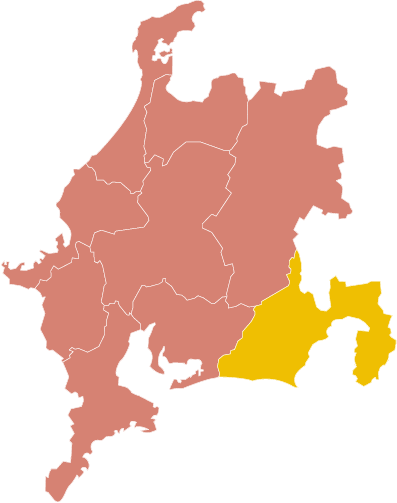
About Fujisan [Mt. Fuji]
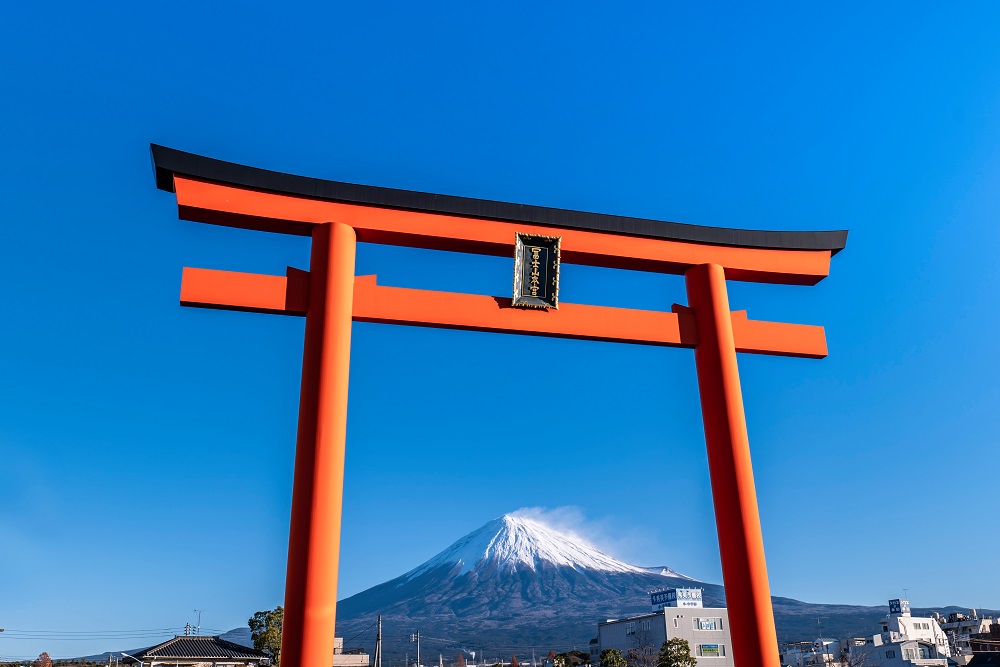
Fujisan [Mt. Fuji], symbolizing Japan, is the highest peak in Japan. The majestic 3,776-meter-high mountain made by frequent and violent eruptions of its own, has long been an object of reverence and faith for numbers of persons. Its breathtaking appearance has inspired many artists, resulting in the iconic peak being featured in innumerable pieces of art. Registered as the World Cultural Heritage Site in 2013 as "Fujisan - Sacred Place and Source of Artistic Inspiration", its indisputable value has been recognized worldwide.
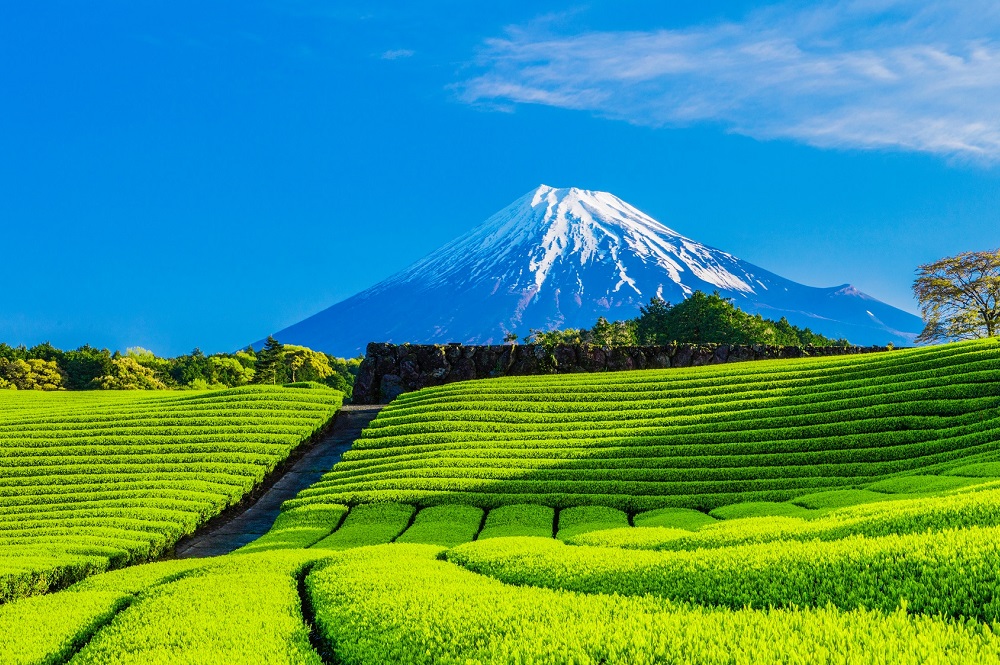
For many years, Fujisan [Mt. Fuji] has been influencing both life and culture of Japanese nationals as an "object of worship" and a "source of artistic inspiration". Once feared for its repeated eruptions in the late Heian Era (794-1185), Fujisan [Mt. Fuji] has become an intimate part of the Japanese nationals during the Edo Era (1603-1868), the Fujisan [Mt. Fuji] religion known as "Fuji-ko" became very popular among the commoners, who started to climb Fujisan [Mt. Fuji] and made pilgrimages to the Fuji Five Lakes and the other sites nearby. During the Meiji Era (1868-1912), the mountain climbing for women was permitted, and along with the development of railroads and road networks, even more devotes started to climb Fujisan [Mt. Fuji].
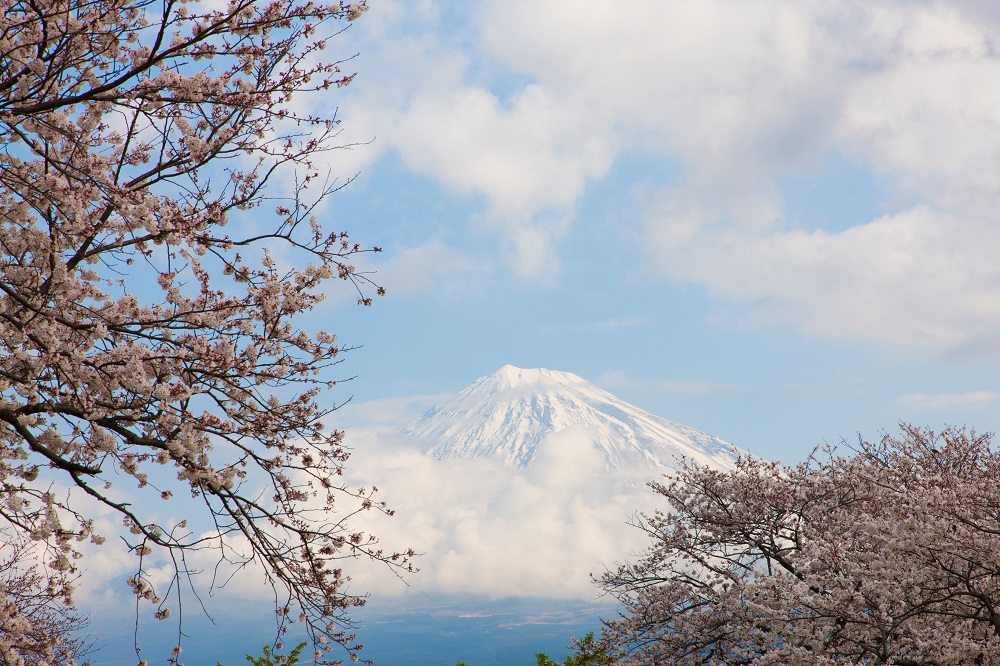
Registered as a World Heritage Site as "Fujisan Sacred Place and Source of Artistic Inspiration", it consists of Fujisan [Mt. Fuji] itself and 25 diverse sites, including mountain trails, nearby shrines and pilgrimage sites (one being "Fujisan Hongu Sengan Taisha Shrine") and constitutional heritage sites, located between Shizuoka and Yamanashi Prefectures.
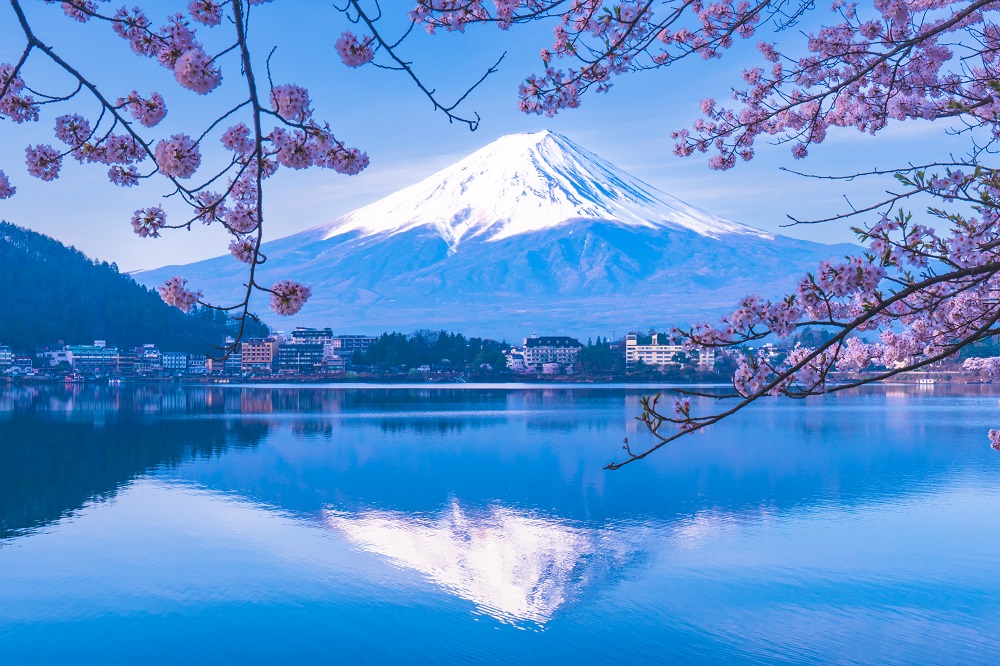
The famous "Fuji Go Ko" [Fuji Five Lakes], made of Motosuko, Shojiko, Saiko, Kawaguchiko, and Yamanakako, created by the volcanic activity, are also a part of the World Heritage listing. Fujisan [Mt. Fuji] may be seen from each of these lakes reflected on the surface, attracting many visitors. This scenic spot has long been the inspiration for art and is a recommended viewpoint for taking pictures of Fujisan [Mt. Fuji].
Privately owned and other general vehicles are allowed up to the fifth station of Fujisan [Mt. Fuji]. There are four trails for Fujisan [Mt. Fuji] in total, and each of the trails are easily accessed up to the fifth station by bus. Three of the four trails start from the Shizuoka Prefecture, and the other one starts from the Yamanashi Prefecture. The highest of the fifth station of the four trails is the Fujinomiya Trail in Shizuoka Prefecture, measuring at 2,440 meters above sea level, and is also the closest to the heavens, giving a myriad of views combining both the sky and the grandeur of nature. On the east side is the fifth station of the Subashiri Trail, which is the only trail located in the forested zone, and the visitors will experience the natural beauty of Fujisan [Mt. Fuji] up close. The recently created fifth station of the Gotemba Trail will show you the wild side of the dormant volcano. Fujisan [Mt. Fuji], will treat you according to the trail you decide to take.
Climbing Fujisan [Mt. Fuji] is enjoyable for anyone from elementary school students to the elderly but should never be taken lightly. Summiting Fujisan [Mt. Fuji], which is 3,776 meters above the sea level, requires diligent preparation in advance, because the weather may change suddenly in the mountains, making the climbing even more dangerous, and the ascent may not go as planned. In addition to climbing shoes, rain gear and warm clothing, hats and a headlamps will become necessary, also take plenty of water and food. Take some trash bags to avoid contaminating the trail. Please be sure to have the essential equipment before climbing the Fujisan [Mt. Fuji].

Getting there and around
Fujinomiya Fifth Station
by Train
From JR Nagoya Station: Take the Tokaido Shinkansen and disembark at Shin-Fuji Station and transfer to the mountain bus.
From JR Tokyo Station: Take the Tokaido Shinkansen and disembark at Mishima Station and transfer to the mountain bus.
by Bus
From Shin-Fuji Station: Take the mountain bus to Fujinomiya Fifth Station.
From Mishima Station: Take the mountain bus to Fujinomiya Fifth Station.
Subashiri Fifth Station
by Train
From JR Nagoya Station and JR Tokyo Station:
Take the JR Tokaido Shinkansen to Mishima Station
From JR Mishima Station:
Take the JR Gotemba Line and disembark at Gotemba Station and transfer to the mountain bus.
by Bus
From JR Gotemba Line Gotemba Station:
Take the mountain bus to Subashiri Fifth Station
Gotemba Fifth Station
by Train
From JR Nagoya Station and JR Tokyo Station:
Take the JR Tokaido Shinkansen to Mishima Station
From JR Mishima Station:
Take the JR Gotemba Line and disembark at Gotemba Station and transfer to the mountain bus.
by Bus
Take the mountain bus from JR Gotemba Line Gotemba Station.
Recommendations
Shiraito Falls / 白糸の滝
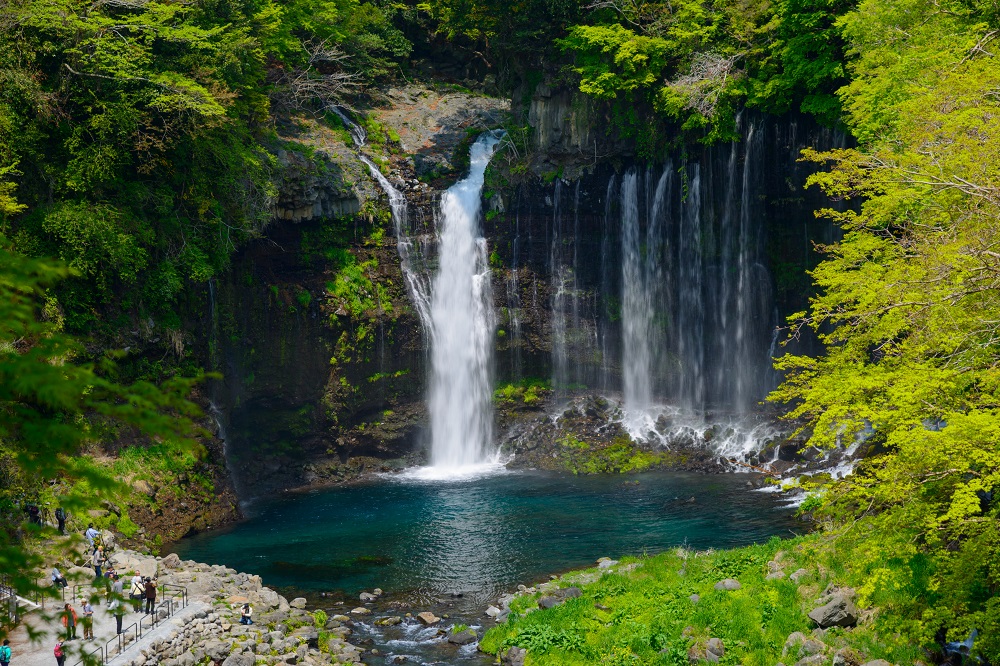
Shiraito Falls is also a part of the World Heritage Site. One of the mesmerizing sites in the area, formed by the snowmelt of Fujisan [Mt. Fuji] and is named for its cascading “silken thread” waters falling from a 20-meter-high cliff spanning 150 meters. Flowing water between the rock walls resembles so much white spun silk, thus named "Shiraito" [shiro = white / ito = thread] and selected as a national scenic beauty.
Climbing Fujisan [Mt. Fuji] / 富士山登山
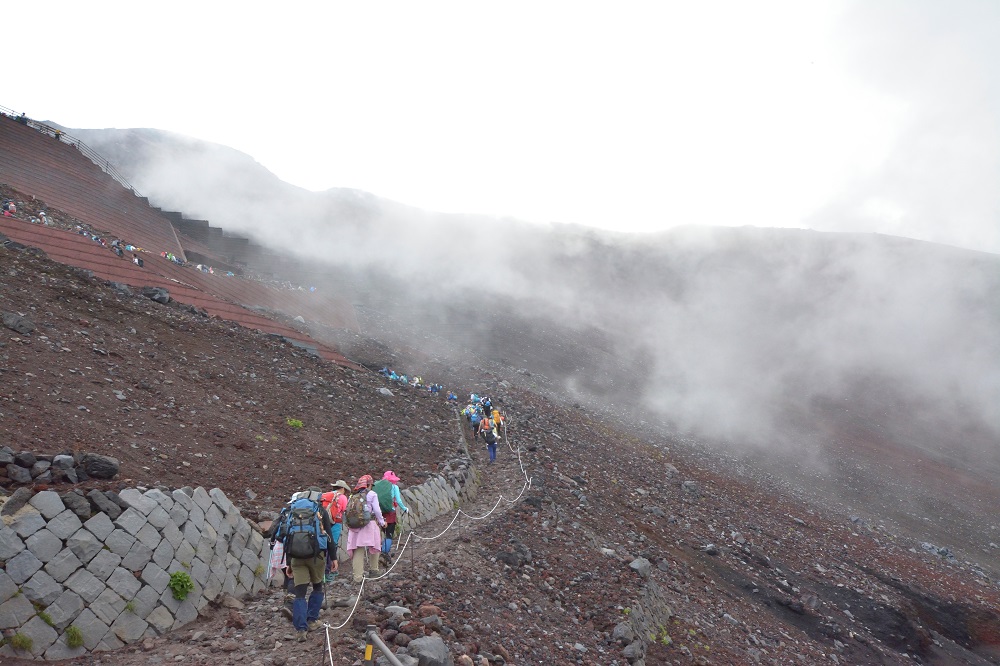
Climbing Fujisan [Mt. Fuji] is permitted from early July to early September annually. Start climbing from the fifth station of four trails and enjoy the changing scenery all around on the way to the summit. For the spectacular sunrise from the summit, plan to stay overnight at a mountain lodge. When ascending Fujisan [Mt. Fuji], we recommend taking plenty of time and climbing mindfully to avoid altitude sickness.
Mishima Skywalk / 三島スカイウォーク
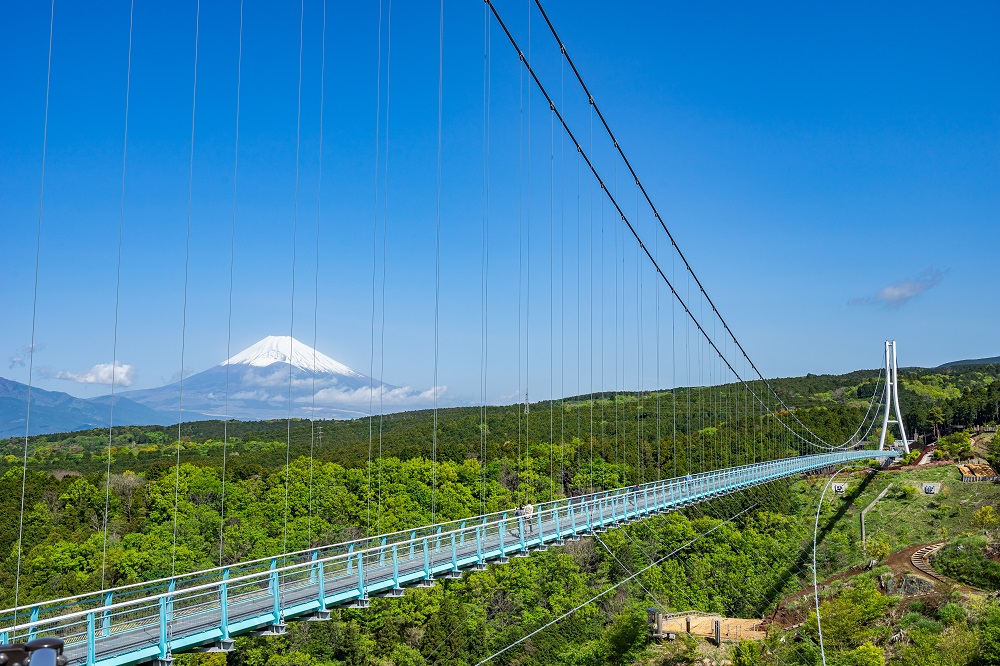
Mishima Skywalk, opened in 2015, is one of the newest tourist attractions in Shizuoka Prefecture. Marks the longest pedestrian-only suspension bridge in Japan at an impressive length of 400 meters. The panoramic view may be enjoyed of Fujisan [Mt. Fuji], Suruga Wan [Suruga Bay] and the mountains of Izu from the bridge. Praise the beautiful scenery and relax at the cafes and restaurants around the bridge.
Fuji-Hakone-Izu National Park / 富士箱根国立公園
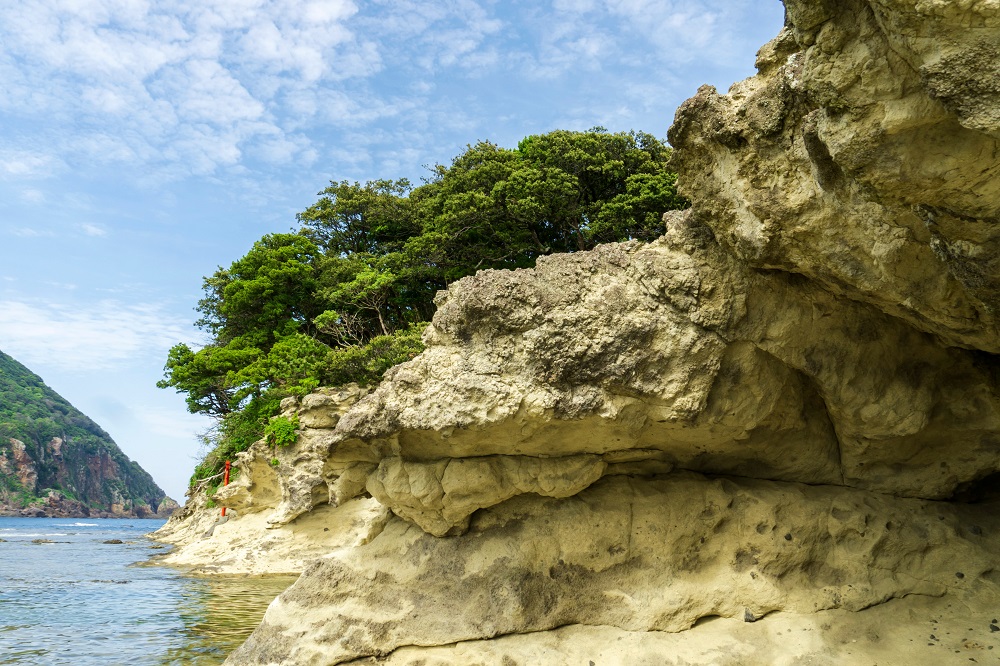
Fuji-Hakone-Izu National Park is a part of the Fuji Volcanic Belt. Fujisan [Mt. Fuji] located at the northern end, Fuji-Hakone-Izu National Park is a National Park representative of Japan, a volcanic country, comprising various volcanic landforms within the Fuji Volcanic Zone as well as onsen [hot springs], richly varying coastlines, and islands.
The National Park is divided into four areas of the Fujisan [Mt. Fuji] Area, the Hakone Area, the Izu Peninsula Area, and the Izu Islands Area.
The Fujisan [Mt. Fuji] Area is centered on Fujisan [Mt. Fuji], including lakes, swamps, and plateaus in the surrounding area. The Hakone Area served as a post town on the Tokaido Road has been renowned through the ages as an onsen [hot springs] area, including the popular Owakudani, Mt. Hakone, and Lake Ashinoko. The Izu Peninsula Area has the appeal of Amagi Mountain Range richly varying coastlines, and onsen. The Izu Islands Area comprises the “Seven Islands of Izu”, including O-shima Island and Miyake-jima Island, which even today are active volcanoes also famous for scuba-diving and swimming with dolphins.
Each of the four areas has appealing sights to explore.
Unique Local Experiences
Fujisan Hongu Sengen Taisha Shrine, located in Fujinomiya City, is the headquarters of the Sengen-jinja shrines in all parts of Japan. The precinct of Okumiya is nearly 4 square kilometers, including all the land above the eighth station of Fujisan [Mt. Fuji]. For generations, this sacred territory has been worshiped as the divine embodiment of the principal deity of the Sengen shrine. The Okumiya shrine stands at the end of the trail starting from Fujinomiya. Because "Fujisan" [Mt. Fuji] itself is the body of the deity, there is no inner shrine, only outer and middle shrines. Holding a wedding ceremony is possible when the mountain is open for visitors (generally from July 15 through August 15), just apply three months in advance and make a payment for ceremony fee of 100,000 yen. Every year, several couples take advantage of this unique opportunity. The wedding party must climb all the way to the top but will be a lifetime memory.
Travel Recommendations
When climbing Fujisan [Mt. Fuji], the most common reason for giving up the ascent is altitude sickness. If you rush to climb the Fujisan [Mt. Fuji] to get to the summit as quickly as possible, you may be more likely to suffer from acute altitude sickness. To avoid altitude sickness, we recommend planning to ascend with plenty of time to spare, with many stops to rehydrate and to rest. It is important to plan and follow a practical climbing schedule.
 Nagoya Travel Guide