
Shirakawa-go / 白川郷 (Gifu)
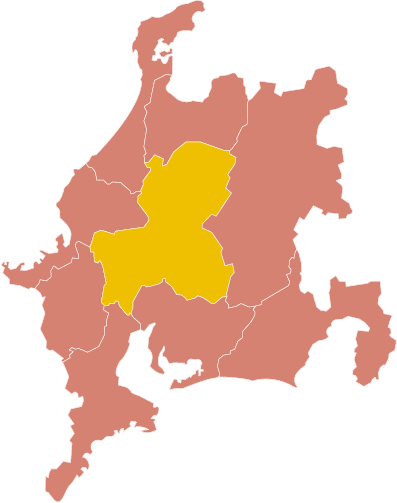
About Shirakawa-go
Shirakawago Gassho-zukuri village is highly appraised for the scenery remaining as in the old days in Japan and the landscape adjusted to the local climate. Selected as an Important Traditional Building Preservation District in 1976 and registered as a UNESCO World Heritage Site [Cultural Heritage] with Gokayama in Toyama Prefecture in 1995. The area fascinates many tourists not only from Japan, but also from abroad, and is said to be a place that reminds of "the hometown of Japan".
©岐阜県白川村役場
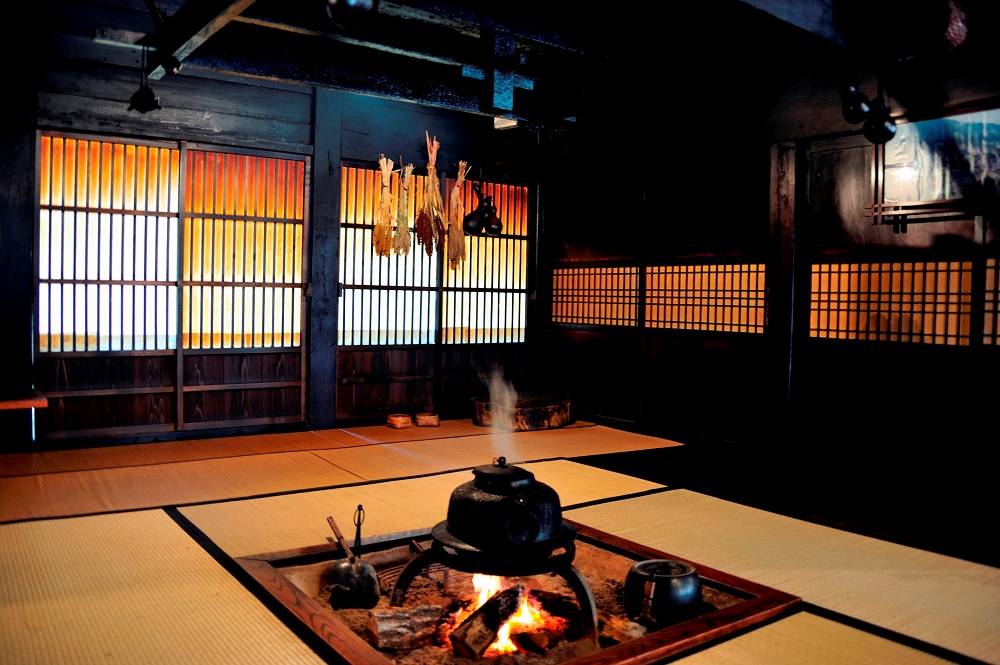
The gassho-zukuri houses of Shirakawa-go are two to four stories high, with "shoji" [the white Japanese paper windows on the gable end] for lighting and ventilation. The first floor is used as living space, the mezzanine floor as resting area for children and maids, the second and third floors for raising silkworms, and the fourth floor for storage. The mezzanine floor has a small window for fire management, as there is an "irori" [sunken hearth] directly below.
©岐阜県白川村役場
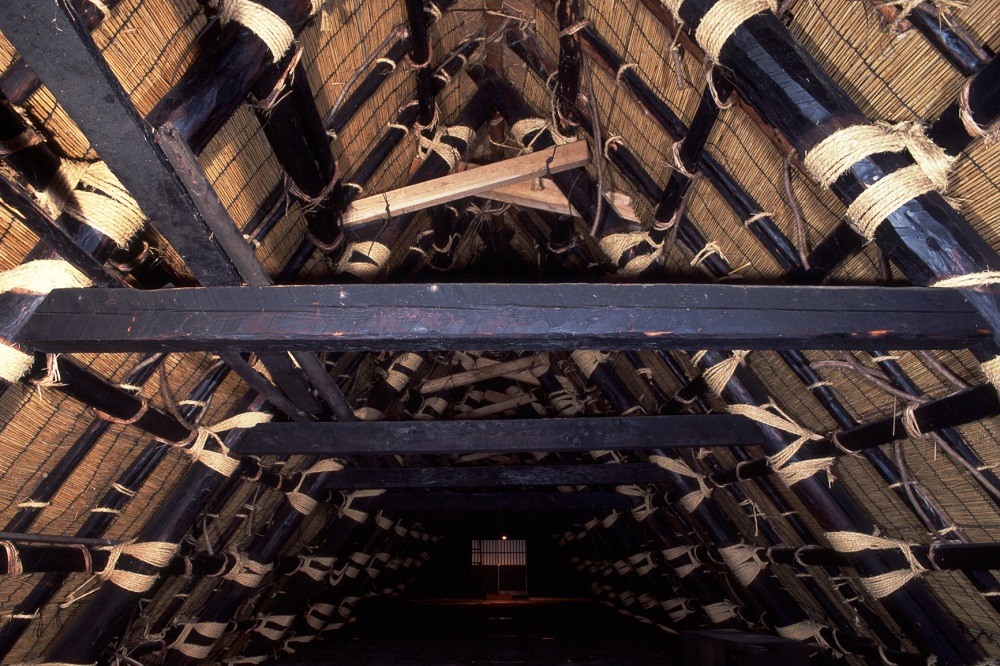
The gassho-style structures are made to be adapted to natural conditions to withstand the weight of heavy snowfall. The steeply pitched roofs are indeed an impressive sight, but actually serves an extremely practical purpose of withstanding the immense weight of the snow.

©岐阜県白川村役場
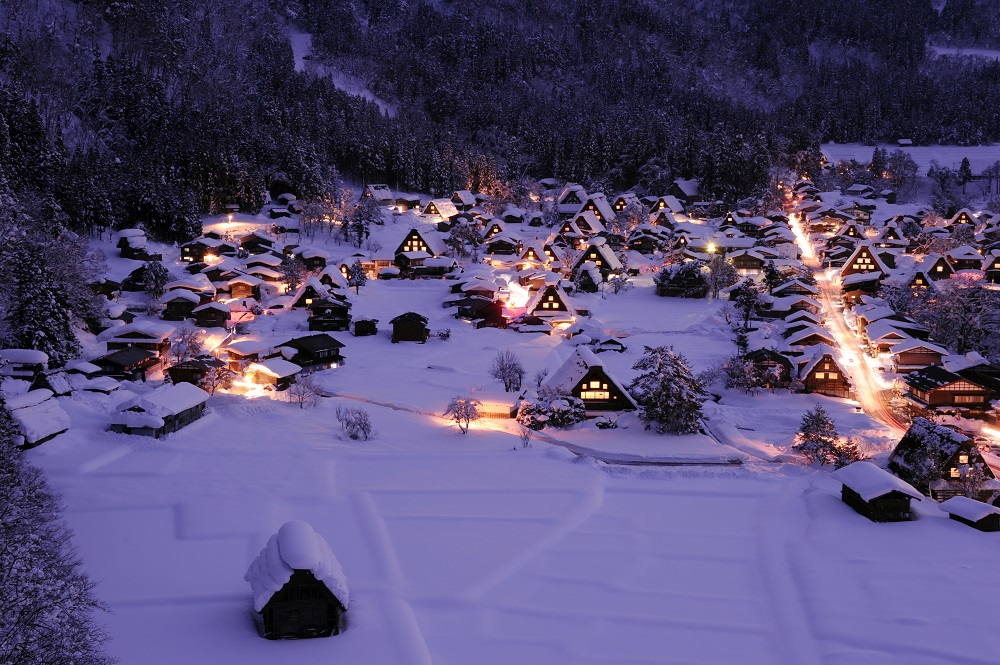
Shirakawa Village, where Shirakawa-go is located, is a farming mountain village surrounded by mountains. Temperatures in summer may be as high as those of Tokyo and Osaka, but the cool breeze from the mountains and rivers relieves the intense heat for a pleasant environment. The area has one of the heaviest snowfalls in Japan in winter, covered with thick blanket of snow. The snowfall may be as high as a fully-grown adult, especially in February. The thatched roofs are thickly covered with snow, and when illuminated by light, a silver world of snow spreads over the entire area, creating a fantastic scene only seen during this season.
Getting there and around
by Highway Bus
From Meitetsu Bus Center: Approximately 2 hours and 45 minutes
From Takayama Station: 50 minutes
From Kanazawa Station: Approximately 1 hour and 15 minutes
From Toyama Station: Approximately 1 hour and 20 minutes
Recommendations
Gassho-zukuri Village / 合掌造り集落
In Shirakawa-go, the heart of "Yui" [mutual assistance or sharing labor] is valued. Life in Shirakawa-go, has always been based on the cooperation of individuals and individual households. In winter, the village was blocked by snow and heavy snowfall, which created a harsh condition that could not have survived, unless people and the houses support each other naturally. Therefore, there was a necessity to help each other in daily life and events throughout the year, therefore the mutual assistance relationship, which is unique to Shirakawa-go was born. Even today, the spirit of the "Yui" has been firmly handed down to new generations in Shirakawa-go. For example, the re-roofings of Gassho house is done by cooperation and help of everyone in the village. This collaborative work is also a valuable opportunity to convey the wisdom of predecessors to the next generation, and to remind the new generation to re-recognize "the importance of connection and bond between people" which is rare in this modern life.

©岐阜県白川村役場
Wada House / 和田家
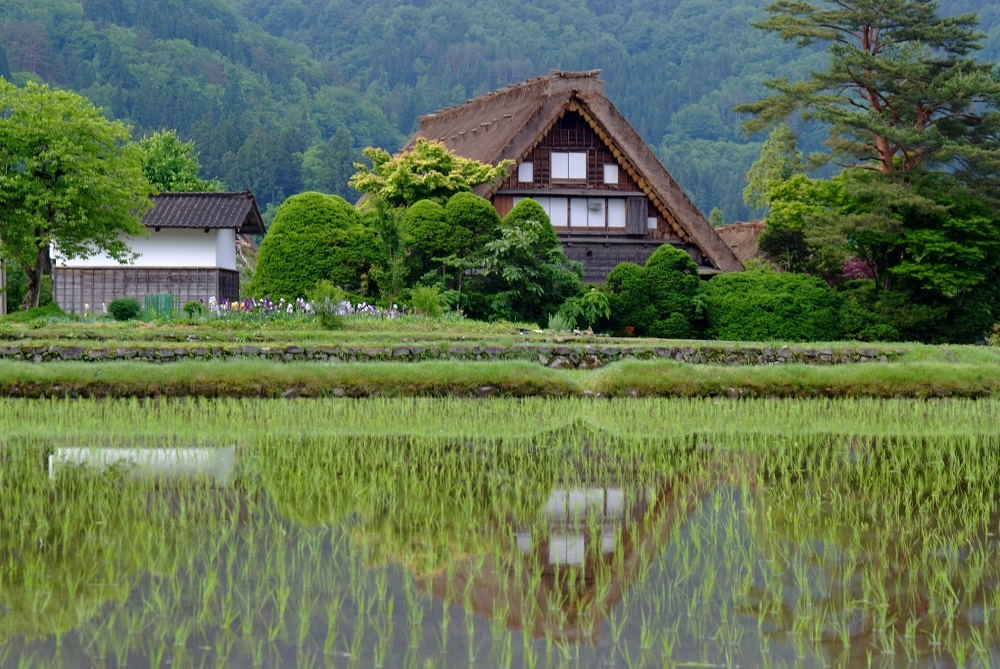
The Wada House, the largest gassho-zukuri style house in Shirakawa-go is designated as a National Important Cultural Property. In the Edo Era, the Wada family served as a head of the village and guard officials. Trading silk products and gunpowder ingredients which used to be an important source of income in Shirakawa-go at that time. The 1st and 2nd floors of the house are open to the public.
©岐阜県白川村役場
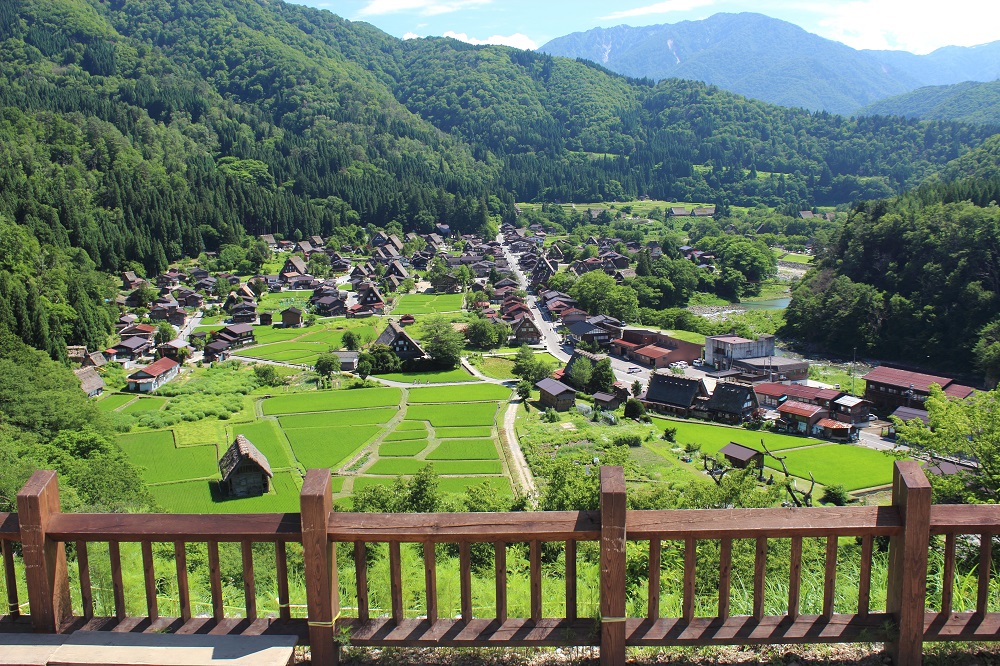
Shirakawa-go Shiroyama Tenshukaku Observatory / 城山天守閣展望台
Enjoy the view of the gassho-zukuri village along with the Hakusan Mountain Range, food at the restaurant or a café and shopping at the souvenir shop, from the hilltop of rice fields. The observatory is known for the view from the pamphlets of Shirakawa-go Village, but it is a private property. Please be considerate when visiting the observatory.
Shirakawa-go No Yu / 白川郷の湯
The one and only natural hot spring [onsen] in Gassho Village, the World Heritage Shirakawa-go area. It has a jet bath, indoor bath, dry sauna in bath for gentlemen, mist sauna in the bath for ladies and an open-air bath with a view of the surrounding mountains and gassho-style buildings. Casual use of day bath is also available.
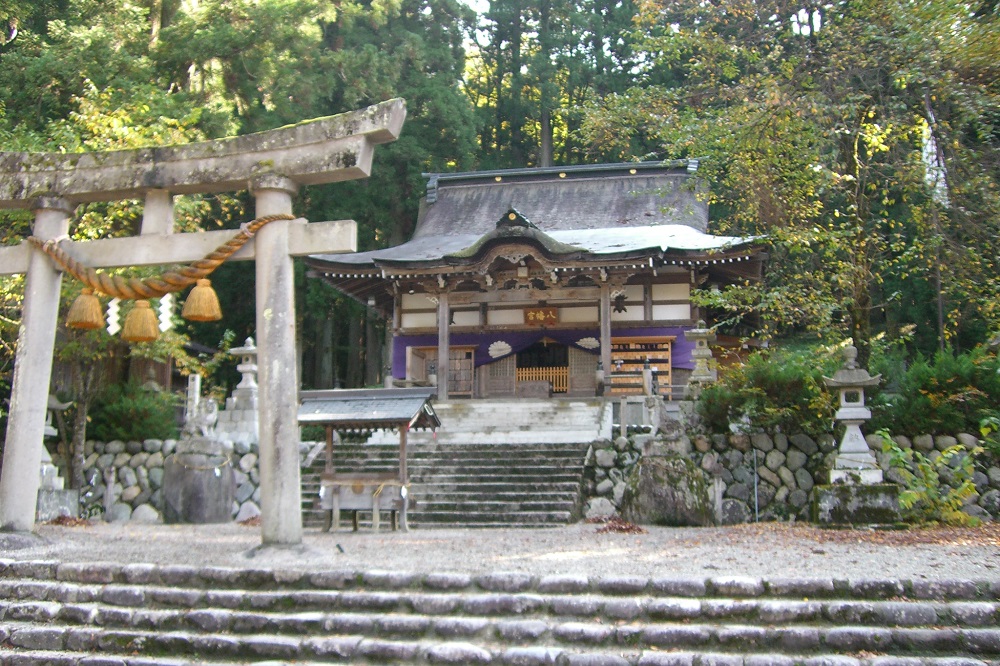
Shirakawa Hachiman Shrine / 白川八幡神社
Shirakawa Hachiman Shrine is in the south of Ogimachi village. The shrine holds the "Doburoku Festival" every fall, where doburoku [a form of sake] is served to pray for a good harvest, family safety and peace in the village. Lion dances and other performances will also take place. The area is also popular among overseas anime fans as a sacred place for the anime "Higurashi no Naku Koro ni" [Higurashi When They Cry].
©岐阜県白川村役場
Magical Illumination of Shirakawa-go
Winter is the most commonly known season of the year for Shirakawa-go, when the snow piles up nearly 2 meters. In January and February, the Shirakawa-go Gassho Style Village will be illuminated with magical lights: the windows of the Gassho-style houses are lit while the snowflakes still fall, and the snow piled up on the roofs illuminated by the light of the lamps, creating a fantastic illumination of the World Heritage site.
©岐阜県白川村役場
Information
Shirakawa-go Sightseeing Guide(English)
https://en.hida-regionalguide.com/
Unique Local Experiences
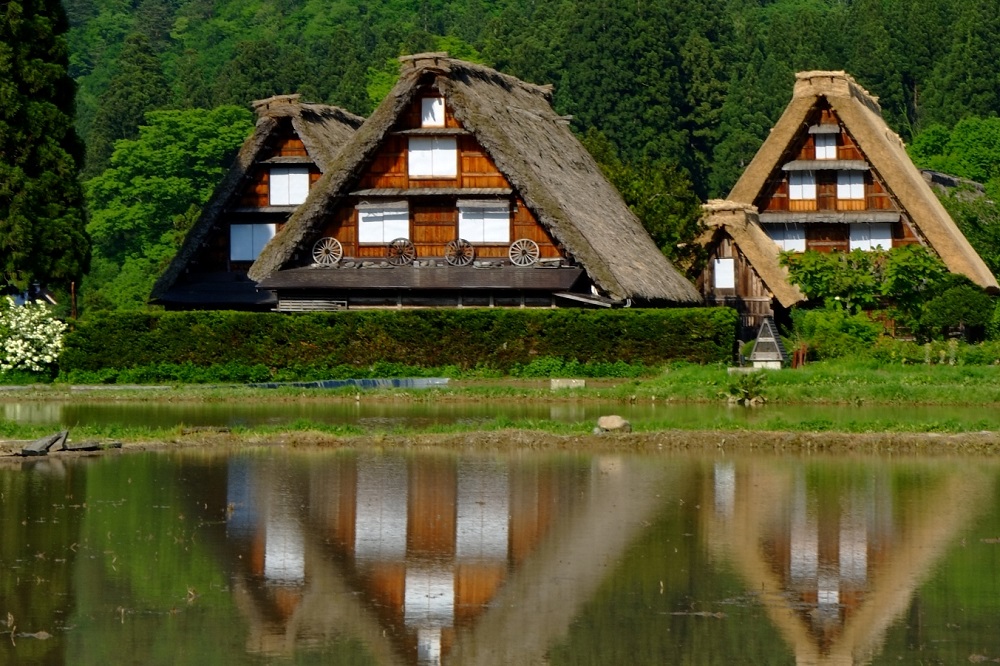
At the "Chubee Restaurant" and "Kikori Souvenir Shop", you may enjoy genuine natural food preserving the intrinsic color, taste and aroma of wild vegetables such as royal fern, bracken, butter bur sprouts, and the "tofu hard as a stone" (harder tofu is well preserved and does not crumble easily while being transported) and "hoba miso", both carefully made by following the knowledge of the villagers methods handed down from ancestors. Located at the southern entrance to the World Heritage Site of Shirakawa-go, Ogimachi, the three gassho-style houses in a row are now a favorite photo spot for photographers. English menu is also available.
©岐阜県白川村役場
Travel Recommendations
The entrance of "Yui no sho", opened in 2019, is in Iijima, Shirakawa-go Village, was designed to reproduce the gabled Gassho-zukuri style, based on the concept of the "yui" [bond] that brings people together. The natural hot spring named "Yururi no Yu" gives pleasant feel on the skin and has a warming effect kept even after bathing. For dinner, enjoy the mouth-watering Hida beef and other local cuisine.
Special Tours
Shirakawa-go & Takayama One Day Bus Tour with English Speaking Staff Departing from Nagoya
Visit two world heritage sites Regular tour bus "Gokayama Ainokura and Shirakawa-go"
Premium Arranged Tours in Central Japan [From Mid-April to November]
Premium Arranged Tours in Central Japan [From November 16 to Mid-April]
 Nagoya Travel Guide