
Nagoya Castle / 名古屋城 (Aichi)
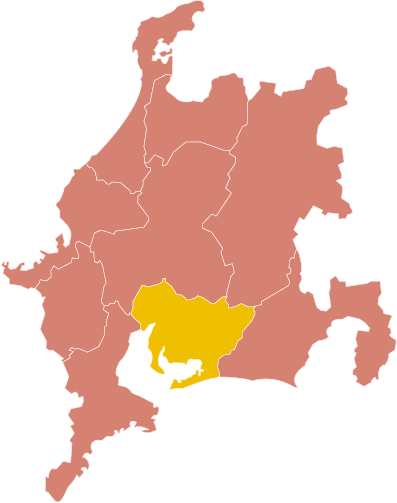
About Nagoya Castle
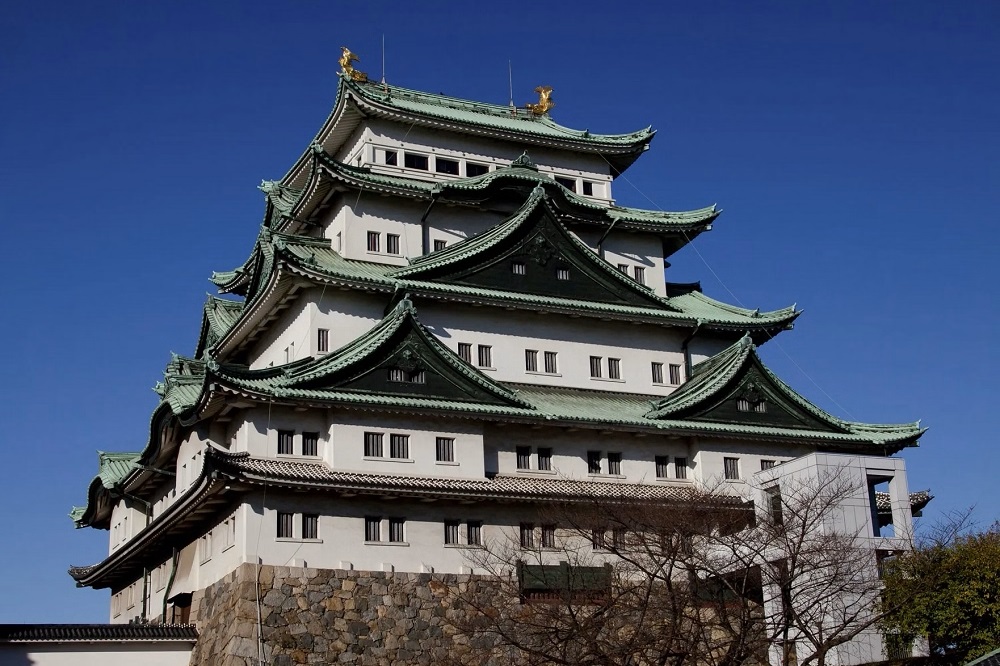
Nagoya Castle, the one of the icons of Nagoya, was completed in 1615 by the Shogun, Tokugawa Ieyasu. Intended as the residence of the Owari Tokugawa family to prepare for the threat of the Toyotomi Clan based at Osaka Castle after the Battle of Sekigahara, made by harnessing the most advanced technologies of the era and features a massive keep, a majestic Honmaru Goten [Main Palace], and expansive Ni-no-maru Garden and other features. After the completion, the castle flourished as the residence of the Owari-Tokugawa family for over two and a half centuries. Nagoya Castle is one of the most prominent castles in Japan and is designated as a National Historic Site.
©名古屋城総合事務所
The most prominent features of the Nagoya Castle are the male and female "Kinshachi" [the Golden Tiger-Fish Roof Ornaments], atop the north and south peaks of the main tower keep. The male shachi is larger than the female shachi, but the female shachi is made with more generous coating of gold, making it a bedazzling spectacle to behold.
The chessboard-like layout of the old town built at the same time as the castle served as the blueprint for present-day Nagoya.
©名古屋城総合事務所
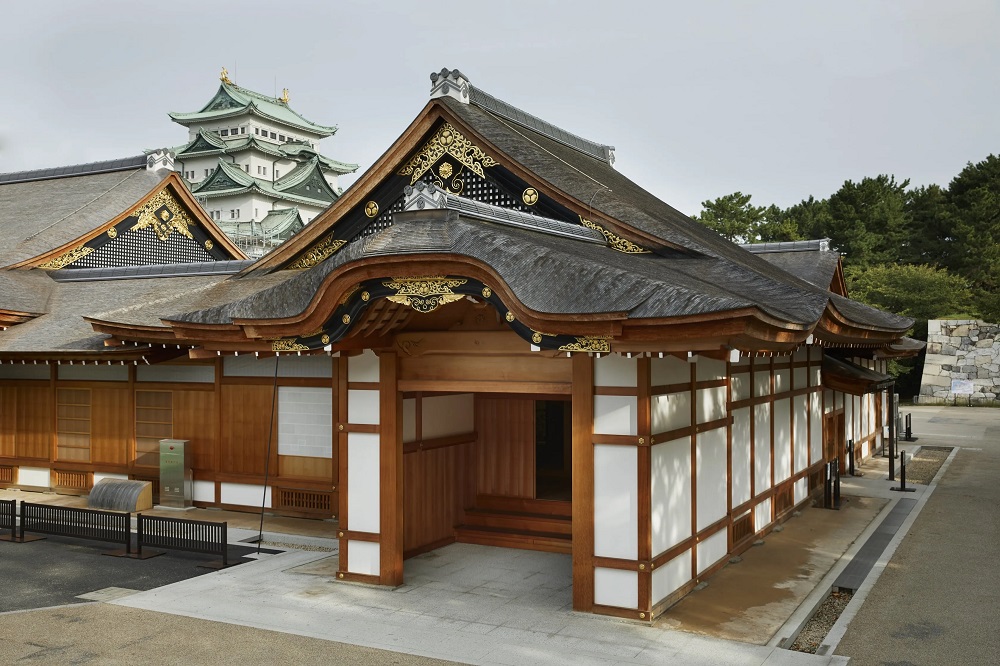
In 1930, Nagoya Rikyu [Nagoya State Guest House] was bestowed on Nagoya City by the Ministry of the Imperial Household, and the castle was opened to the public the following year-soon became a familiar symbol of Nagoya among the locals.
During World War Ⅱ in 1945, the city of Nagoya was largely destroyed by air raids, and the castle was not unscathed. After the war, a strong push from the public was held to reconstruct Nagoya Castle and the work with this goal commenced in 1959. Restoration began on the Hommaru Goten [Hommaru Palace] in 2009 and was completed in 2018, and currently, the second-generation pair of Kinshachi [the Golden Tiger-Fish Roof Ornaments] perches atop the castle keep.

©名古屋城総合事務所
Getting there and around
From Nagoya Station To Nagoya Castle
by Subway
Disembark at the "Nagoyajo" [Nagoya Castle / M07] station of the Meijo Line
Disembark at the "Sengencho" / T05 station of the Tsurumai Line
by Train
Disembark at the "Higashi ote" / ST02 station of the Meitetsu Seto Line
by Bus
Disembark at the "Nagoyajo-mae Pier" bus stop of Sakae No. 13 Line
Take the Nagoya Sightseeing Route Bus "Me~guru"
Disembark at the "Nagoya Castle East / Shiyakusho [City Hall]" bus stop
Take the city bus the Key Route Bus No.2,
Disembark at the "Shiyakusho [City Hall]" bus stop
Recommendations
Hommaru Goten [Hommaru Palace] / 本丸御殿
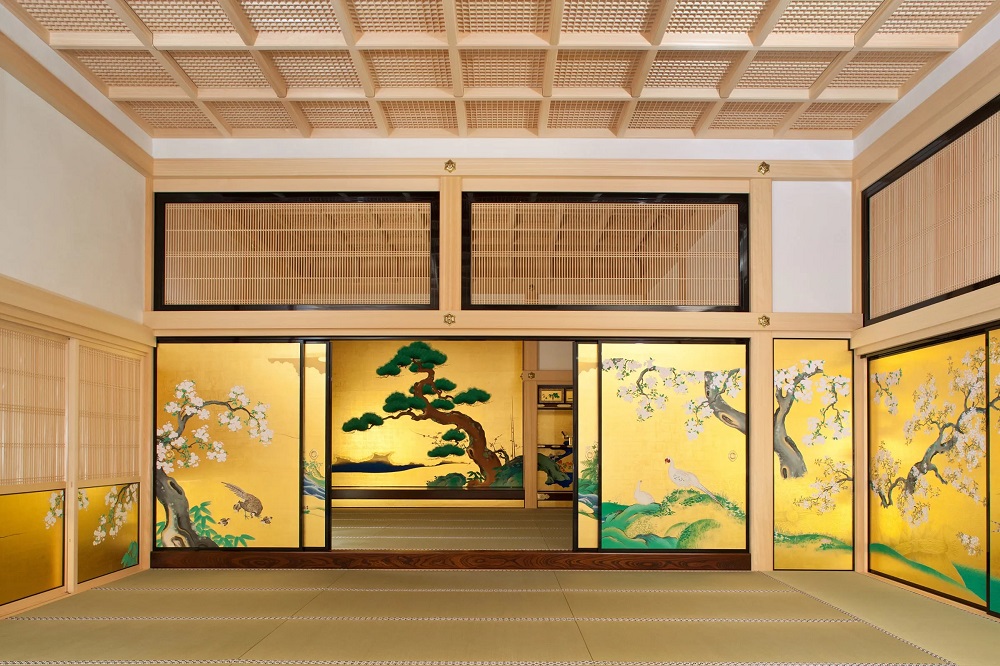
Hommaru Goten [Hommaru Palace] was built as the residence of the castle lord, and political affairs were also conducted. The interior of the Hommaru Goten [Hommaru Palace] of Nagoya Castle was completed in 1615 and was majestically decorated to the extent praised as the "masterpiece of early modern period castles". Unfortunately, this exquisite art was lost in air raids during World War II in 1945, and the longed restoration over the years and were faithfully restored based on the existing Edo Period (1603-1868) architectural plans and other historical resources, and the castle was authentically rebuilt in 2018, and returned to the former glory and is open to the public today.
©名古屋城総合事務所
Ni-no-maru Garden / 二之丸庭園
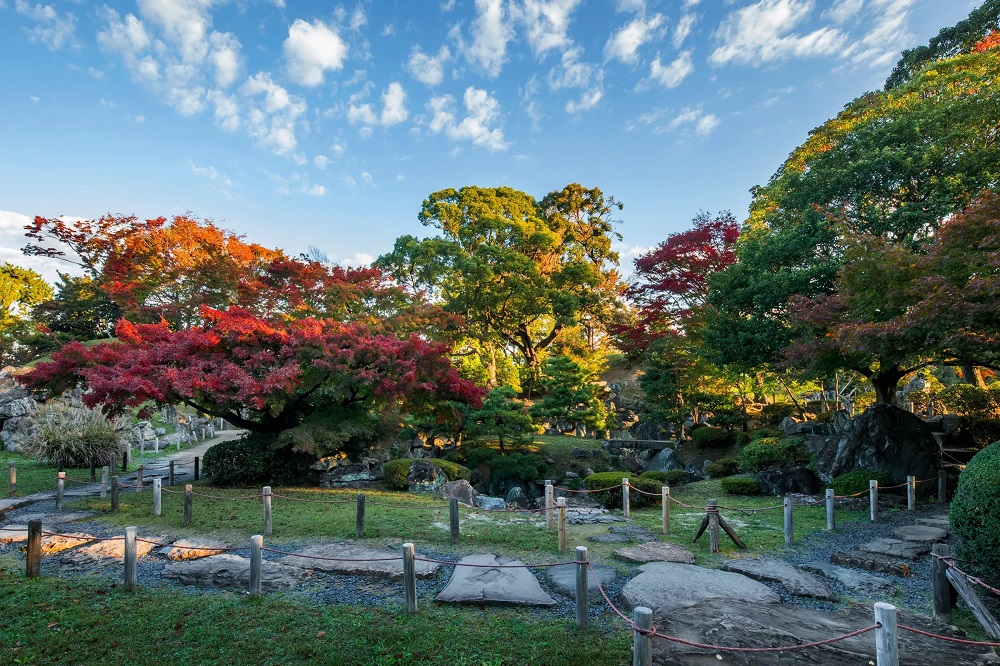
Ni-no-maru Garden is a vast garden area located on the north side of the Ni-no-maru Goten [Ni-no-maru Palace] of Nagoya Castle and is the largest garden in Japan. Comprised of north, front, and east gardens, a stone bridge spanning a rock arrangement resembling waterfall, masonry reminiscent of a valley, and numerous other dynamic expressions which have earned a strong reputation as one of the most beautiful gardens in Japan.
©名古屋城総合事務所
Nishinomaru Okura Castle Treasure Museum / 西之丸御蔵城宝館
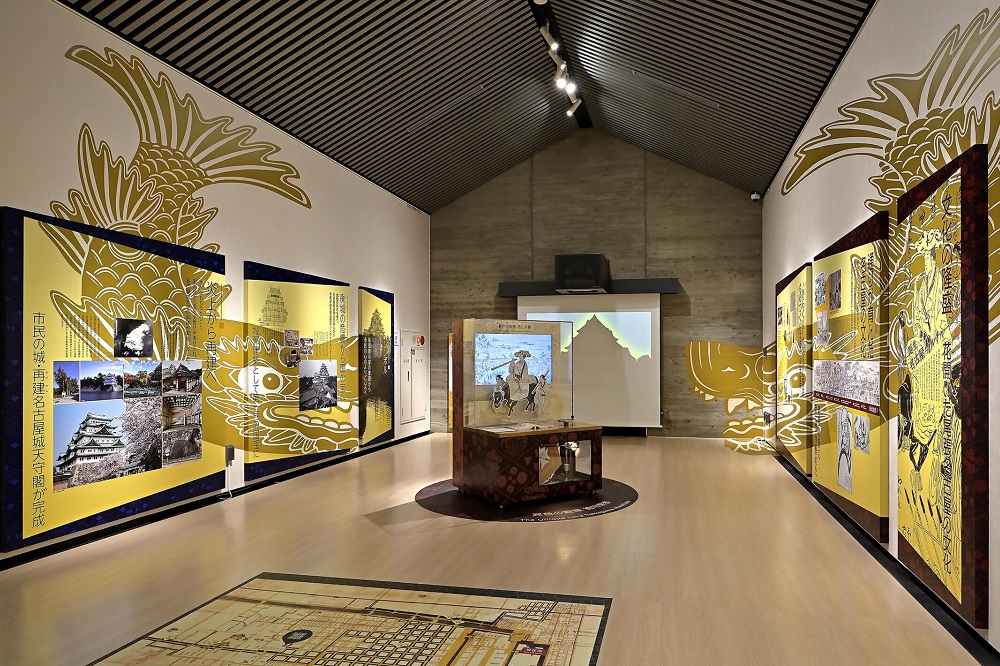
The Nishinomaru Okura Museum exhibits and stores historical artifacts in a structure resembling the third and fourth storehouses of total of six storehouses served, once existed. The Historical Information Room introduces the history of Nagoya Castle, and the Exhibition Room displays the precious artifacts of Nagoya Castle, including the National Treasure "wall mural of Hommaru Goten [Hommaru Palace]", to learn much more about Nagoya Castle.
©名古屋城総合事務所
Place famous for cherry blossoms
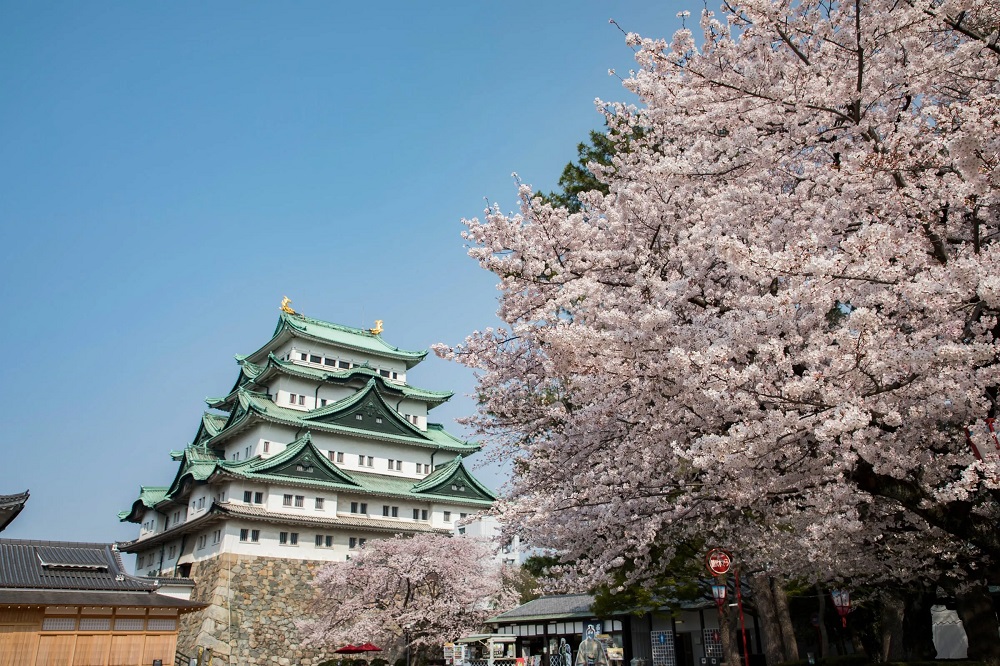
Nagoya Castle is the most famous Sakura [Cherry Blossom] landmark, and the blooming cherry blossoms appearing to be infinite in number coupled with the grandeur of the castle is a sight to behold. From late March every year, more than a thousand Sakura trees, including the signatures "Somei-Yoshino" and "Shidare-Zakura", bloom and reach the height of their beauty. A Sakura Festival is held at this time of year, complete with charmingly lit up Sakura blossoms after sunset can only be seen at this time of the year, so, take a chance if you are in the city.
©名古屋城総合事務所
Places to see autumn leaves
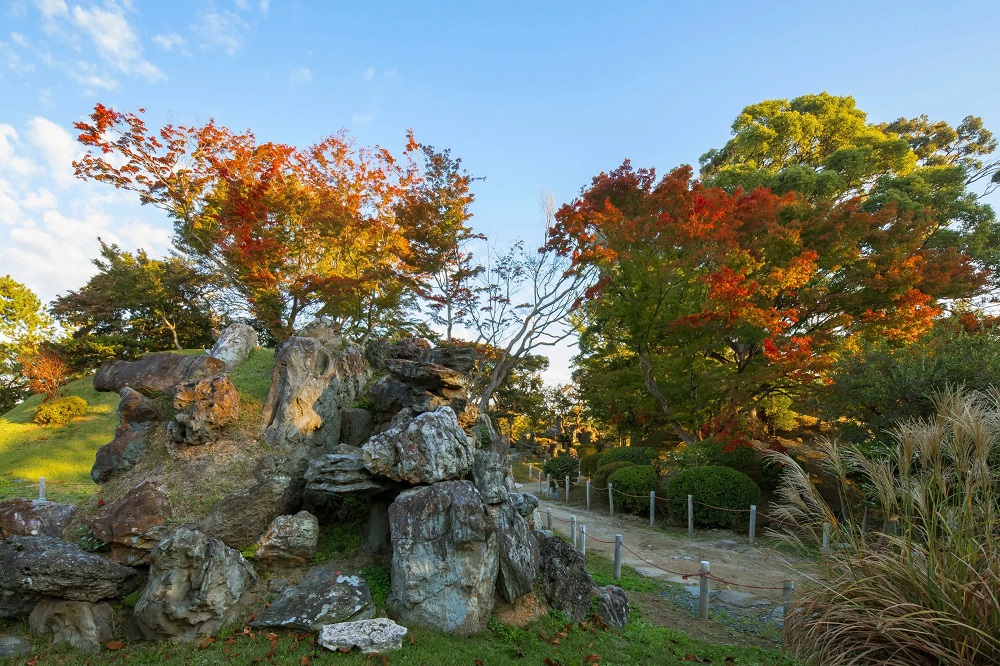
Complete your visit to the Nagoya Castle in autumn with a tour of the autumn leaves. The prime time to appreciate the sight will be around mid-November, when the Ni-no-maru Garden and tea house area transforming just as a canvas painted with a myriad of crimson red and golden leaves as the days cool down. Meijo Park, located adjacent to Nagoya Castle, is also famous for the autumn leaves, and the visitors enjoy a leisurely stroll while appreciating the beautiful leaves of the Chinese tallow, Japanese elm, Sakura trees, and many more species.
©名古屋城総合事務所
Unique Local Experiences
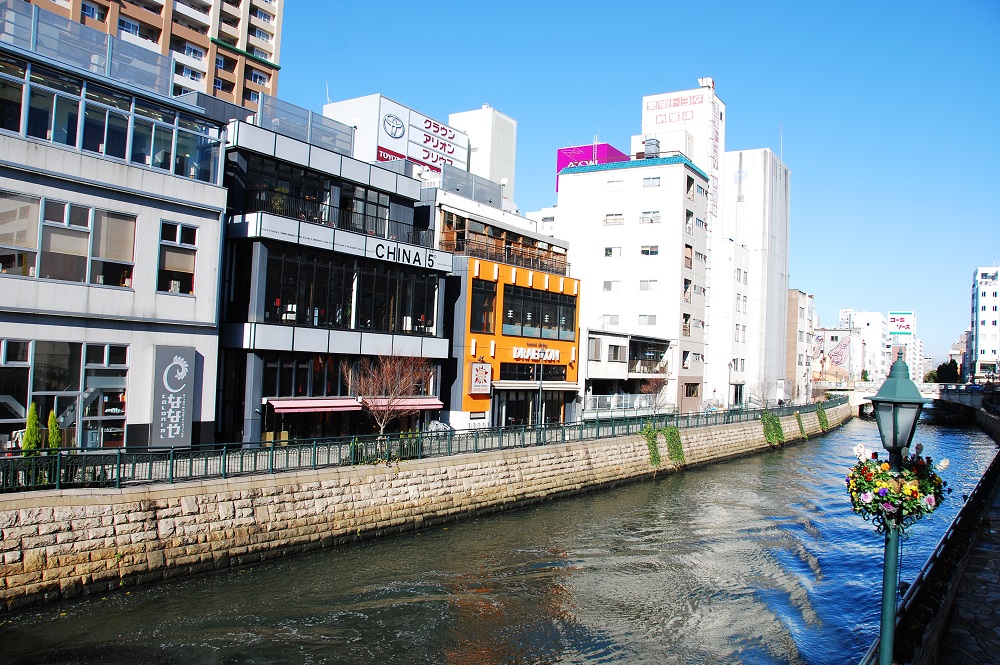
Horikawa [Hori River] is a man-made canal flowing through the city of Nagoya which was unified under Fukushima Masanori, as a route to ferry the stone and lumber used to build Nagoya Castle. There was no river for ships to pass through the city originally, so Fukushima Masanori gathered a sizable workforce to carry out the task of connecting Nagoya Castle to the seashore in Atsuta Ward. The completion of Horikawa [Hori River], made the transportation of the goods to the townspeople needed for everyday life and significantly contributed to the vitalization of the region as well as the advancement of "monozukuri” [manufacturing] industries possible. A statue of Fukushima Masanori stands on the bank of Horikawa [Hori River] in honor of his achievements today.
©(公財)名古屋観光コンベンションビュロー
Travel Recommendations
Nagoya Castle is located in the heart of the city, so just take a leisurely walk from Nagoya Station. While taking a stroll of about 2.5Km, you will come across landmarks of "Shikemichi" which is the district of old merchants preserved to this day, and "Endoji Shotengai” [Endoji Shopping Arcade] which is said to be one of the oldest shopping arcades in the city. This path will take you along the "Horikawa" [Hori River], the canal that played a key role in the construction of Nagoya Castle and majorly contributed to the development of Nagoya. Strolling along this waterway as heading for the castle is another way to get to know the city more.
By the gates of Nagoya Castle are the "Kinshachi Yokocho". The "Yoshinao Zone" by the main gate is lined with the traditional Nagoya gourmet and experience the new food culture at the "Muneharu Zone" by the east gate.
Accommodations
ANA CROWNE PLAZA HOTEL GRAND COURT NAGOYA / ANAクラウンプラザホテルグランコート名古屋 (Aichi)
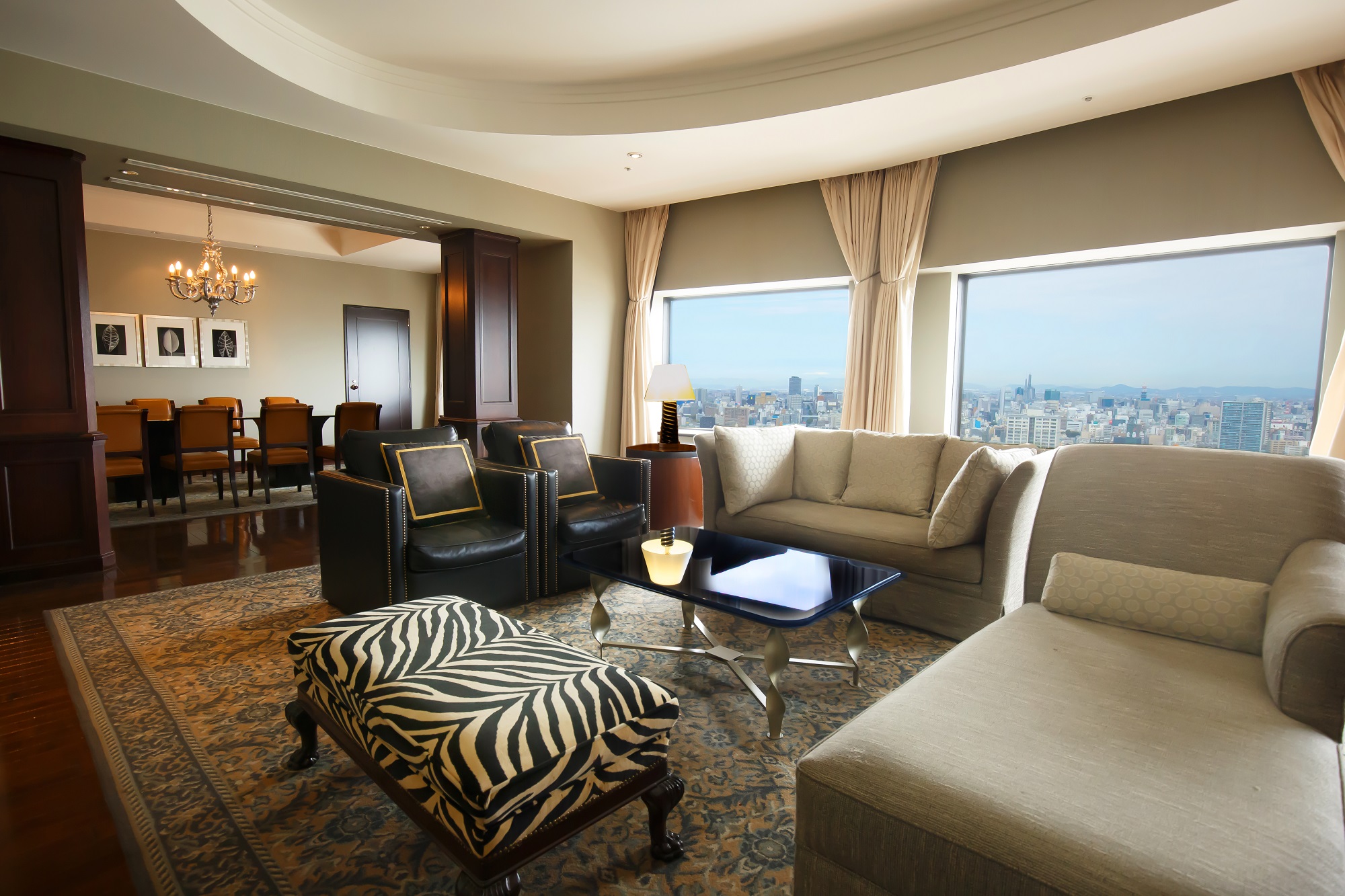
1-1-1 Kanayama-cho, Naka-ku, Nagoya, Aichi
ANA CROWNE PLAZA HOTEL GRAND COURT NAGOYA is located just a short stroll away from Kanayama Station, the second hub station of Aichi Prefecture following Nagoya Station. The hotel is conveniently located just 5 minutes from Nagoya Station by train an....
 Nagoya Travel Guide