
Autumn Leaves / 紅葉
History of Autumn Leaves and Foliage Viewing
As summer phases into autumn, and the air cools down, the weather in Japan becomes moderate and ideal to take a walk in nature. From mid-November to early December, the leaves on the trees turn from green to vivid red, orange and yellow. The combination of the weather and the striking sights makes autumn a great season to visit Japan.
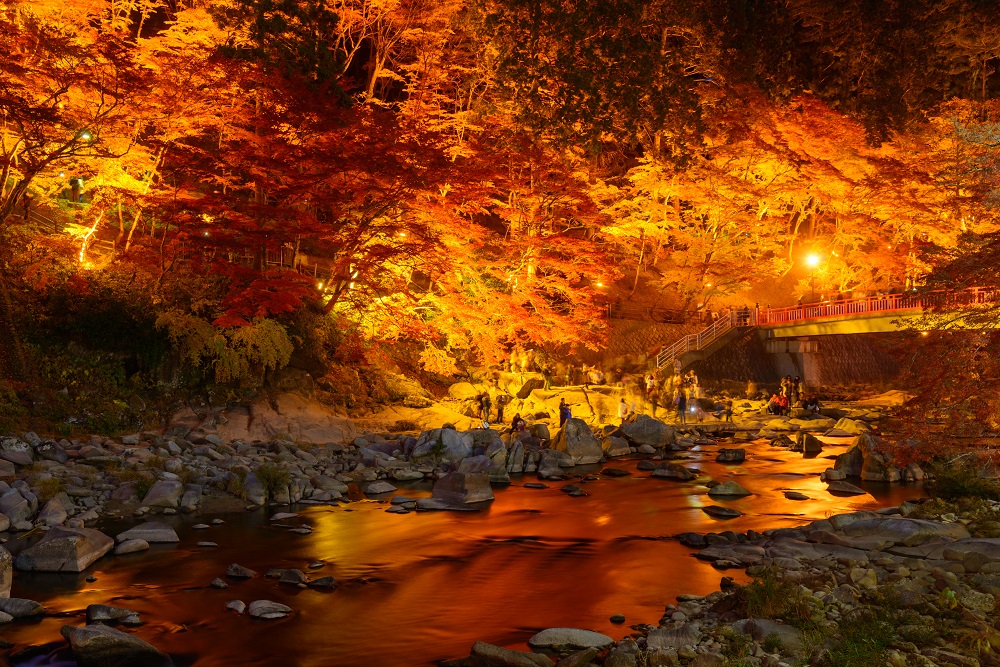
The history of going on a tour of autumn leaves is long, and many phrases describing leaves appear in the"Man'yōshū" [Collection of a Myriad Leaves], the oldest existing poetry collection in Japan said to have been compiled in the late 8th century. In the late 8th century, autumn leaf viewing was popular among the aristocrats, appreciating the leaves to compose poems, and in the Edo Period (1603-1868) became a popular pastime for the public. Tokugawa Yoshimune (1716-1745), the 8th shogun of the Edo shogunate, transplanted many cherry trees to Mt. Asuka to create a cherry blossom viewing spot, and many maple trees were also planted to create an autumn leaf viewing spot. It is thought that people started to enjoy viewing autumn leaves from this time, just as we do today.
Tips to Enjoy Autumn Foliage
Some of the ways to enjoy the autumn foliage are hiking, soaking in onsen [hot springs], enjoying the contrast between the foliage and castles and temples, and viewing the leaves changing their colors from a vehicle. Enjoy these spectacular views when visiting the autumn foliage season in Japan.
General Rules to Follow:
-Touching trees are prohibited
Because the trees are very delicate, touching the trees are strictly prohibited. Enjoy the autumn foliage from a step away.
-Stay away from the restricted areas
Some areas in the parks, gardens, or the facility grounds have off-limits. When hiking in the mountains, stay on the trails.
-Always take your belongings with you
For a pleasant experience for all, please take what you brought with you, even the garbage and trash.
In addition, please, stay aware of your surroundings at all times.
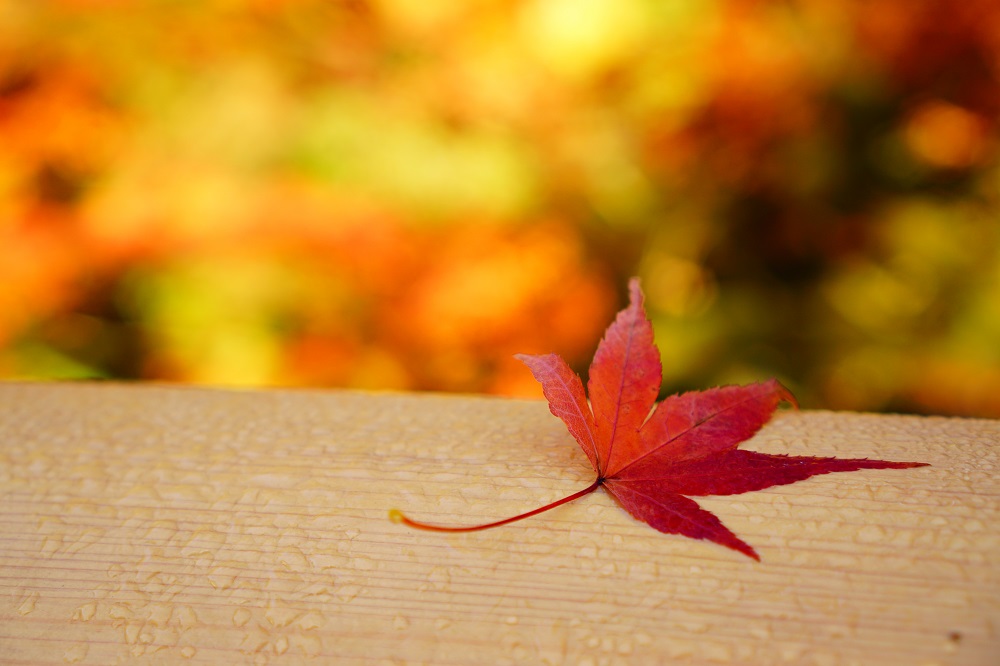
Recommended Autumn Foliage Viewing Spots in Chubu Region, Japan
Aichi
Higashiyama Zoo and Botanical Gardens (Nagoya City)
Higashiyama Zoo and Botanical Gardens is a municipal zoo and botanical garden located in Higashiyama Park in Nagoya City. The park has spread on the natural grounds with a zoo with the famous handsome gorilla "Shabani", and other popular animals, and the botanical garden with 7,000 plant species on display. In autumn, about 500 trees change color, and vivid five-colored maples with mixture of red, orange, yellow, yellow-green, and green, and the upside-down maples reflecting on the surface of the pond may be seen. The gardens are illuminated at night during the autumn foliage season.
Click here for more on Nagoya City.
Jakkoin Temple (Inuyama City)
Jakkoin Temple, also known as "Momiji-dera" [Maple Leaf Temple], is located on a hill along the Kiso River and is famous for the autumn foliage. There are approximately 1,000 maple trees in the precincts of the temple, and and many giant trees turning their color to a vivid read is a sight to behold.
Click here for more on Inuyama City,
Shizuoka
Okuyama Houkouji (Hamamatsu City)
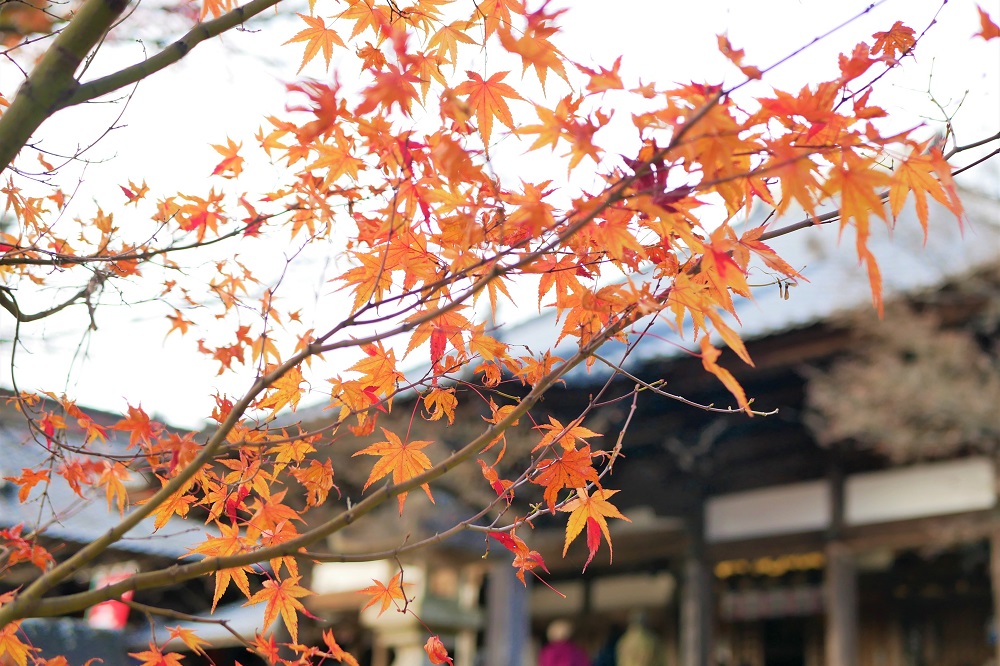
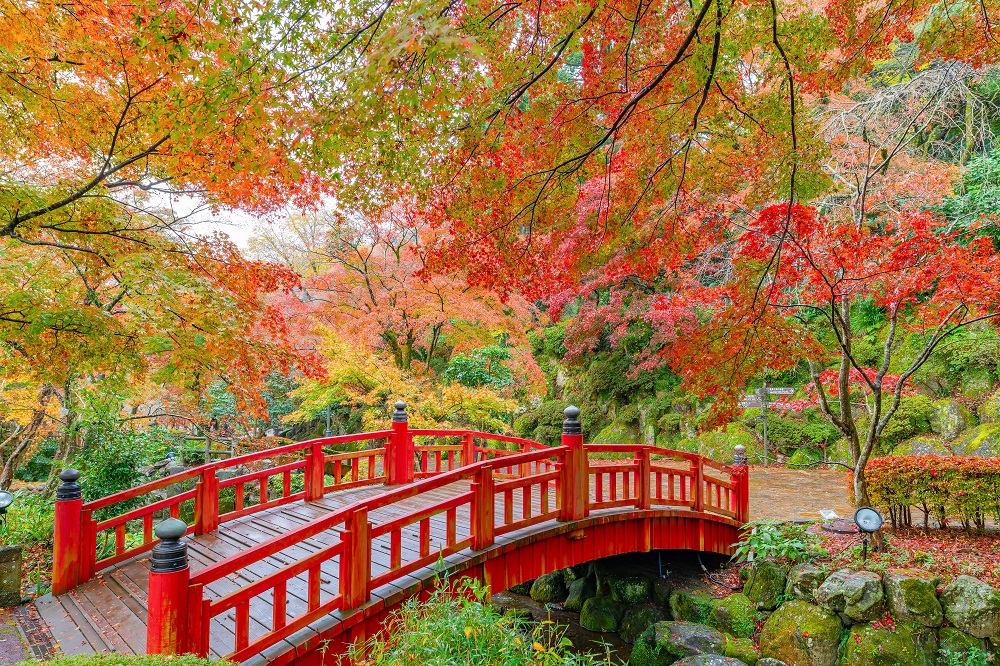
Founded in 1371, Hokoji Temple is a representative Zen temple in the Tokai region. The vast precincts have the Hondo [main hall], Hansobo temple (where the guardian god of Okuyama Hokoji is enshrined), Kaisando (temple hall commemorating the founder), and the three-story pagoda (sought to protect supplicants from bankruptcy as the creator). During the autumn foliage season, the area is illuminated at night, and the harmony between the red turtleback bridge and the autumn leaves is another spectacular site.
Click here for more on Hamamatsu City.
Atami Baien [Plum Garden] (Atami City)
Opened in 1886, the Atami Baien [Plum Garden], is known for the early-blooming plum trees, and the trees that are the last to change color are, the Japanese maple, kaede [maple], and ginkgo trees. The Atami Baien [Plum Garden] is unique to enjoy both plum blossoms and autumn leaves at the same time, as the early plum blossoms are in full bloom in November. During the autumn foliage season, a maple tree festival is held, and the area is illuminated.
Click here for more on Atami City.
Nagano
Togakushi Plateau Kagami-ike Pond (Nagano City)
Located at an elevation of 1,200 meters, the pond mirrors the shifting seasons of Togakushi mountain range. The name of the pond "Kagamiike" [mirror pond] comes from how the pond mirrors the mountain range. The entire mountain range glowing in autumnal colors from late September to late October is a sight to be seen. Morning, when the lake mirrors the Togakushi Mountains is the best time of the day to see the pond.
Click here for more on Togakushi.
Shirahone Onsen (Matsumoto City)
Located in Matsumoto, Nagano, right in the middle of Japan is the "Shirahone Onsen". To the west of the city stands one of the greatest scenic beauties of Japan, the peaks of the Northern Japan Alps and the sacred mountain Mt. Norikuradake. Shirahone Onsen [Hot Springs] bubbles from the eastern slope of Mt. Norikuradake. Surrounded by heavy forest and Yukawa Gorge, the onsen [hot springs] resort is so blessed with rustic beauty to feel the seasons. A spot adored by many onsen lovers enjoying the changing seasons and wishes to escape the din of crowded resorts to experience the wonders of the great outdoors.
Click here for more on Matsumoto City.
Gifu
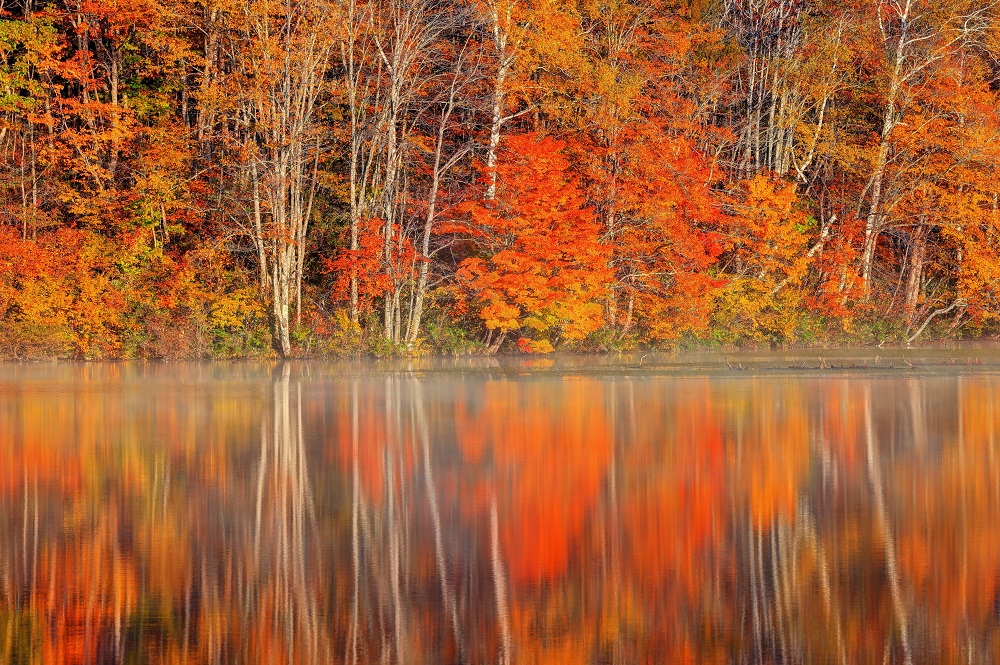
Mount Kinka (Gifu City)
Mt. Kinka is in the center of Gifu City, with Gifu Castle at the summit and Gifu Park at the foot of the mountain. The area around Gifu Castle is especially famous for the beauty of the autumn scenery of maple and ginkgo trees and the month of November is the best time of the year to visit for the autumn scenery. The view from the mountaintop viewpoint and ropeway is a sight to see.
Click here for more on Gifu City.
Shirakawa-go (Shirakawa Village)
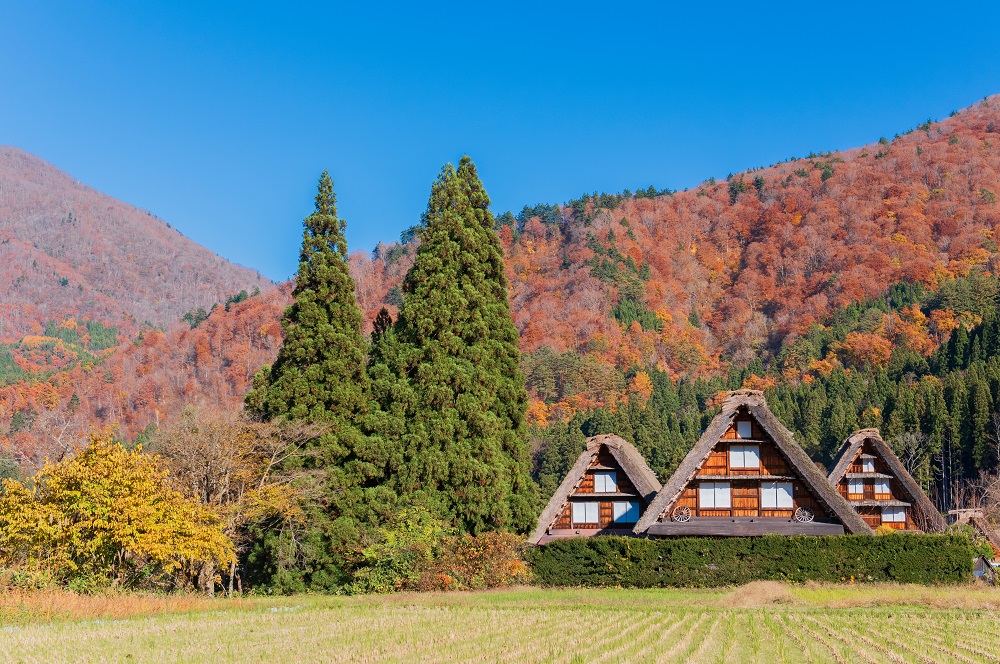
Located in the northwestern part of the Gifu Prefecture, Shirakawa Village is an undulating agricultural village surrounded by mountains and is known for the gassho-zukuri houses. The word "gassho" is for praying hands, and the shape of the roofs resembles the "gassho". When the whole mountains turn into colorful autumn leaves, the whole village is also colored. The best time of the year to see the autumn leaves is from late October to mid-November. The Gassho-zukuri Minka-en Outdoor Museum is illuminated on limited days.
Click here for more on Shirakawa-go.
Mie
Ise Jingu Shrine (Ise City)
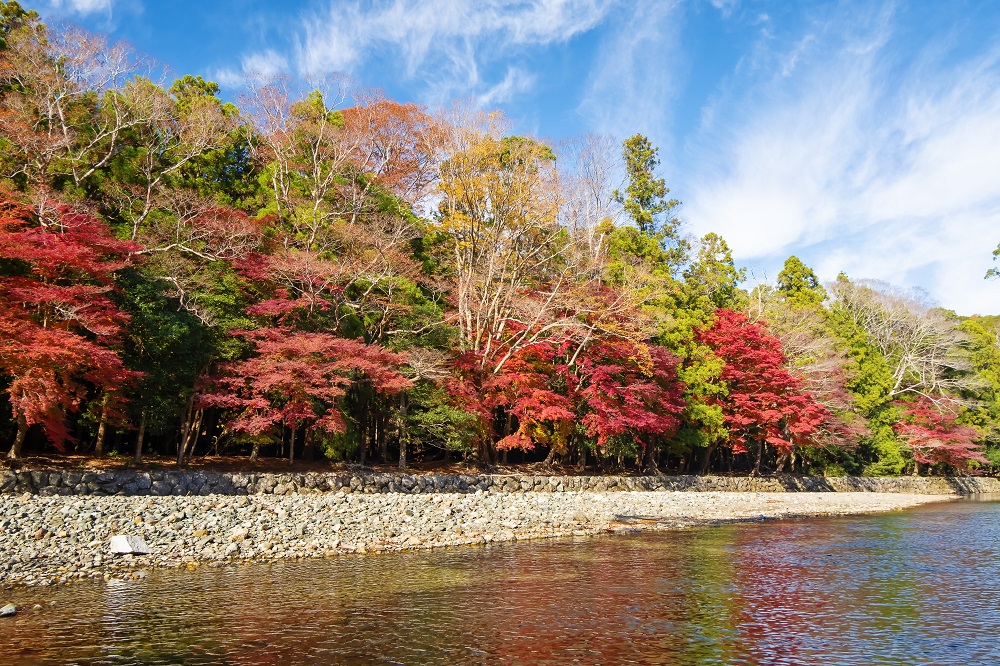
The Ise Jingu [Shrine] encompasses Kotaijingu [Naiku], Toyo'ukedaijingu [Geku], 14 associated shrines, 43 auxiliary shrines, 24 subordinate shrines, and 42 minor shrines, which is a total of 125 Shinto shrines. The riverside "Mitarashi" [Site for ablution] of the Kotaijingu [Naiku] reflecting the colorful autumn leaves on the mirror-like surface on the Isuzu River is a spectacular sight to behold. With the combination of the mystical air of the shrine, the visit will be a once in a lifetime experience.
Click here for more on Ise Jingu.
Ueno Park (Iga City)
The Iga-Ueno Park has many sites to see - the Iga Ueno Castle, the Iga Ninja Museum, Haiseiden Hall built for the haiku poet Matsuo Basho, and the Basho Memorial Museum. Maples are planted through the park and from mid-November are usually at the best. The vista of the quaint Haiseiden Hall among the autumn foliage with a red carpet of fallen maple leaves is spectacular.
Click here for more on Iga City
Shiga
Hieizan Enryakuji Temple (Otsu City)
Straddling Shiga and Kyoto Prefectures is the Hieizan Enryakuji Temple, the head temple of the Tendai sect of Buddhism in Japan, with a vast temple area on the Mt. Hiei. On Mt. Hiei, trees usually start to change color in late October, and the "Maple of Hiei" festival is held primarily in the Yokogawa area, one of the best places for viewing the autumn leaves. The view of the vermilion-lacquered building of the Yokogawa Chudo Hall of the temple against the trees turning red and yellow is spectacular.
Click here for more on Enryakuji Temple.
Hikone Castle Genkyu-en Garden (Hikone City)
Genkyu-en is a daimyo (Japanese feudal lord) garden, in the pond promenade garden style, located to the northeast of the Hikone Castle grounds. In mid-November, looking up the Hikone Castle through the autumn leaves of Japanese maple, rowan and katsura trees is spectacular. The changing leaves are illuminated at night, and the reflection on the pond in the famous garden is another sight, in quite a different way from daytime.
Click here for more on Hikone Castle.

Fukui
Eiheiji Temple (Eiheiji-cho)
Eiheiji Temple, founded in 1244 by Master Dogen, is a Zen training center and the head temple of the Soto sect of Buddhism in Japan. Located deep in the mountains, Eiheiji Temple is home to more than 70 austere halls and towers, which contrast is spectacular with the brightly colored trees.
Click here for more information about Eiheiji Temple.
Maruoka Castle (Sakai City)
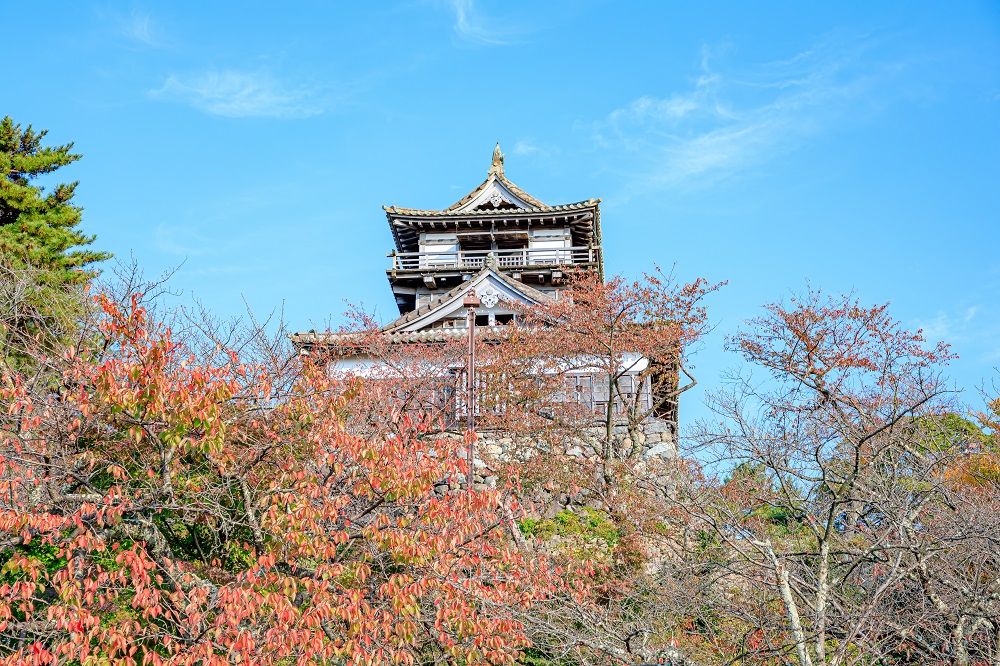
Built in 1576, Maruoka Castle is one of the 12 castles retaining the original castle tower keep, built before the Edo Period. The Kasumigajo Castle Park was built adjacently to commemorate the 400th anniversary of the construction of Maruoka Castle. When the trees turn into beautiful colors, the view of the castle through the autumn leaves is spectacular.
Click here for more information about Sakai City.
Ishikawa
Kenroku-en Garden (Kanazawa City)
Kenroku-en Garden is one of three most famous gardens in Japan and was constructed over a long period of time by successive feudal lords of the Kaga. November is usually the best for the autumn foliage, and breathtaking panoramic views of the beautifully colored trees are enjoyed from the viewing platform. In November, the work of yukitsuri [hanging snow], which is synonymous with winter, will be worked out to prevent from breaking the trees under the weight of snow. During this time of the year, the illuminated view and the contrast between the yukitsuri [hanging snow] and the autumn leaves are spectacular.
Click here for more on Kenrokuen Garden.
Kakusenkei Gorge (Kaga City)
Kakusenkei Gorge is a 1.3 km section of the Daishoji River valley, from Kurotani Bridge to Korogi Bridge, flowing through the 1300-year-old Yamanaka Onsen spa resort. A promenade is maintained, and visitors can enjoy a tour between bridges while viewing the autumn leaves. The Korogi Bridge is made of all cypress, the Ayatori Bridge is an S-shaped bridge designed by flower arrangement artist Teshigahara Hiroshi, and the Kurotani Bridge is a massive stone bridge, each displaying a different atmosphere.

Toyama
Kurobe Gorge (Kurobe City)
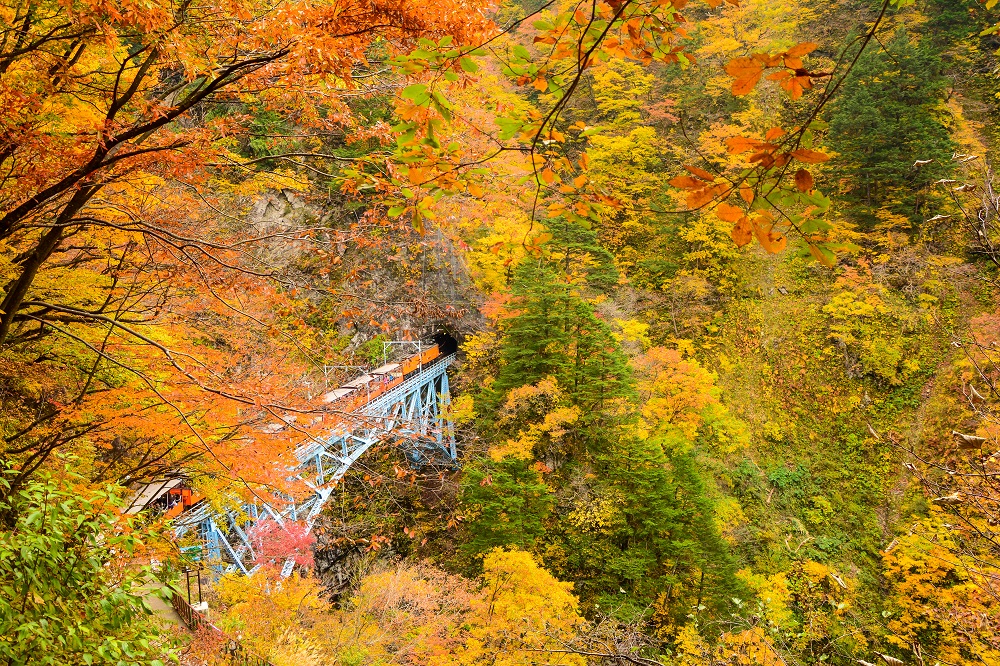
Kurobe Gorge is one of the prominent V-shaped gorges in Japan. A scenic spot with the total length of the valley is 86 km, and the difference in elevation between the summit and the valley floor is approximately 3,000 m. The autumn colors start to appear usually around the end of October, and the entire mountain changing to a mixture of red and yellow leaves with the perennial greenery contrasting each other is another spectacular site. The Kurobe Gorge Trolley Train is a 20-km-long railroad running between Unazuki Station and Keyakidaira Station, a spectacular winding course, especially through the autumn leaves. Enjoy the scenic journey, which takes about 1 hour and 20 minutes each way.
*Due to the effects of the 2024 Noto Peninsula Earthquake, there is no trolley service from Nekomata to Kanetsuri and Keyakidaira.
Click here for more on Kurobe Gorge.
Murodo(Tateyama-machi)
Murodo is located at an altitude of 2,450 meters and is the best point from which to view the Tateyama Mountain Range with autumn leaves. Murodo is home to many sights, including Tateyama Murodo Sanso (the oldest mountain lodge in Japan) and Mikuriga-ike (the most beautiful volcanic lake in the Northern Japan Alps) which vivid red, yellow, and green colors of the trees contrasts beautifully with each other.
Click here for more on Tateyama Kurobe Alpine Route.

Destinations
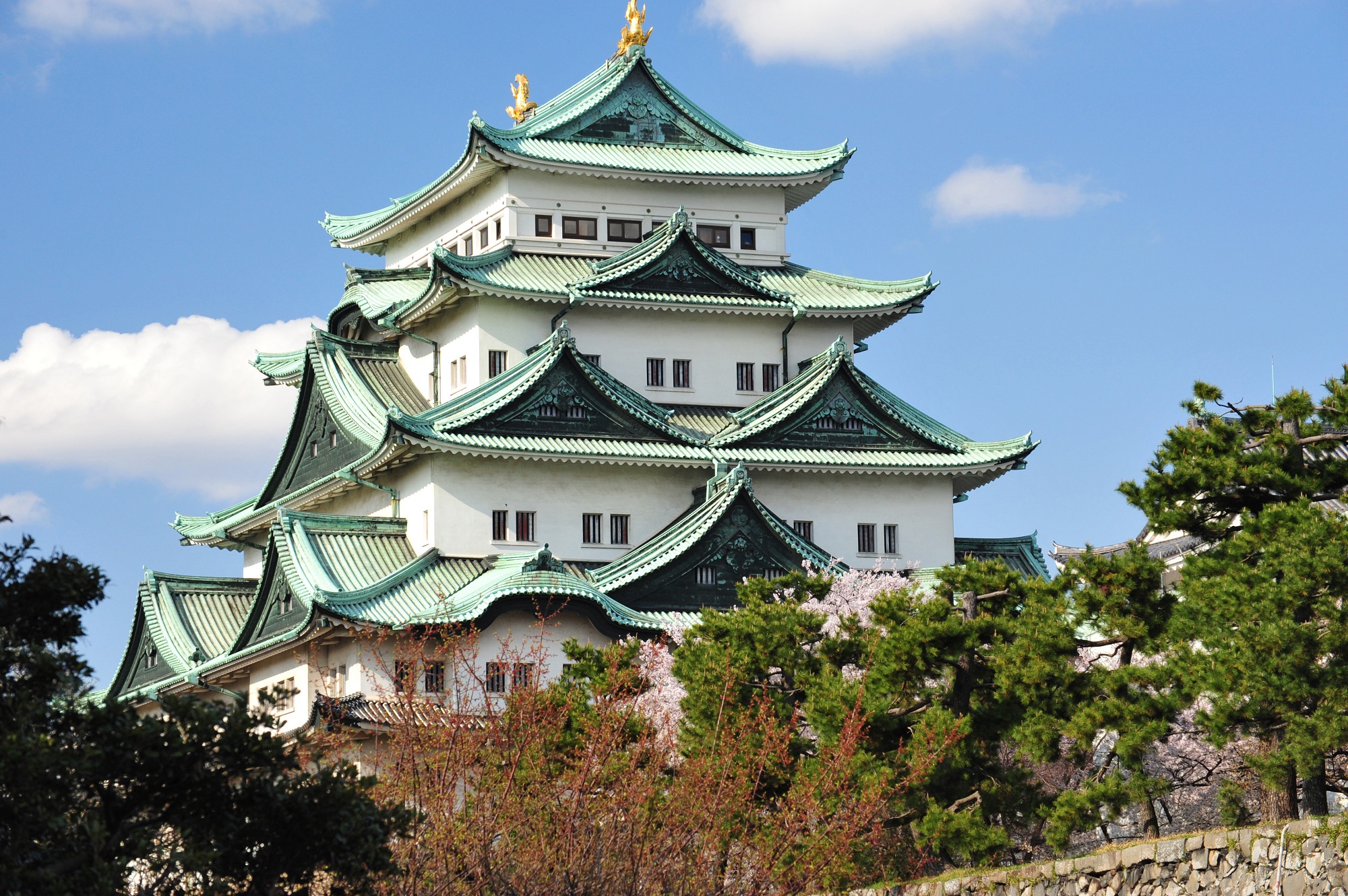
Nagoya Castle / 名古屋城 (Aichi)
Nagoya Castle, the one of the icons of Nagoya, was completed in 1615 by the Shogun, Tokugawa Ieyasu. Intended as the residence of the Owari Tokugawa family to prepare for the threat of the Toyotomi Cl....
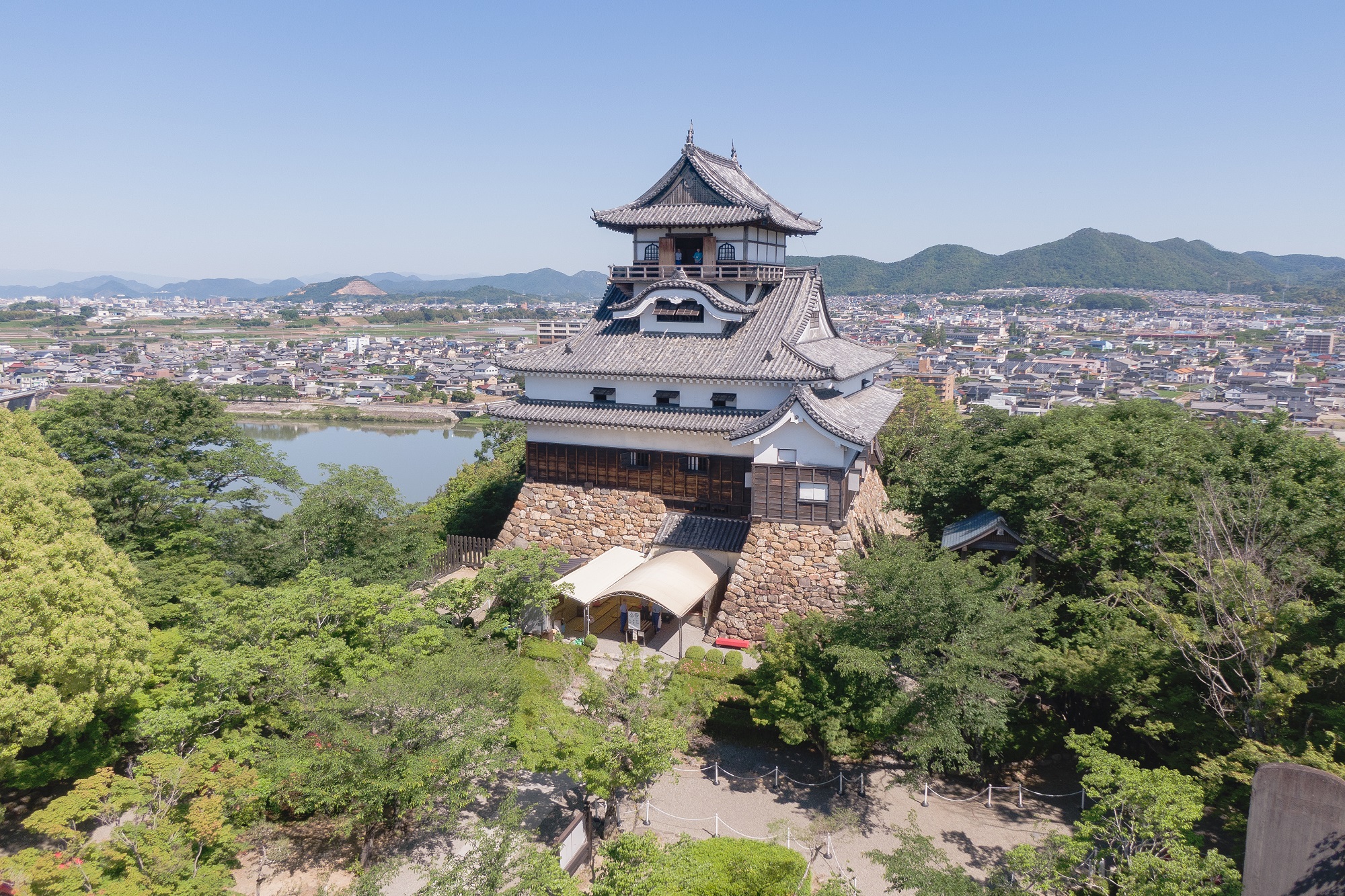
Inuyama Castle / 犬山城 (Aichi)
Built in 1537 by Oda Nobuyasu, the uncle of the famous warlord Oda Nobunaga, Inuyama Castle is the symbol of Inuyama City. The castle's keep is the oldest still standing in Japan, and the castle as a ....
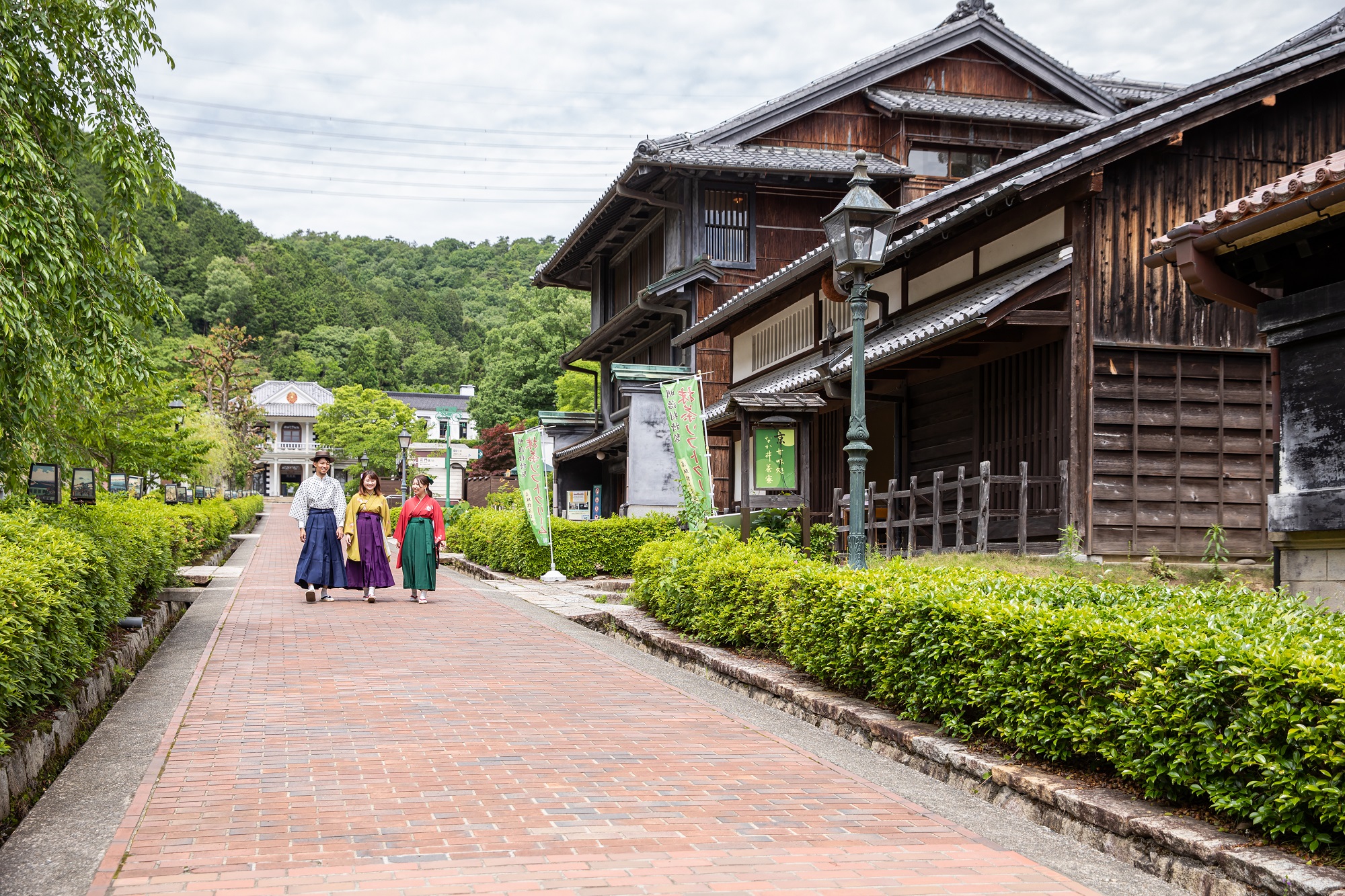
Museum Meiji-Mura / 明治村 (Aichi)
Open-air museum Meiji Mura opened in 1965 to preserve and exhibit Meiji architecture. Buildings of artistic and historical value, mainly from the Meiji Era (1868-1912), have been relocated and restore....
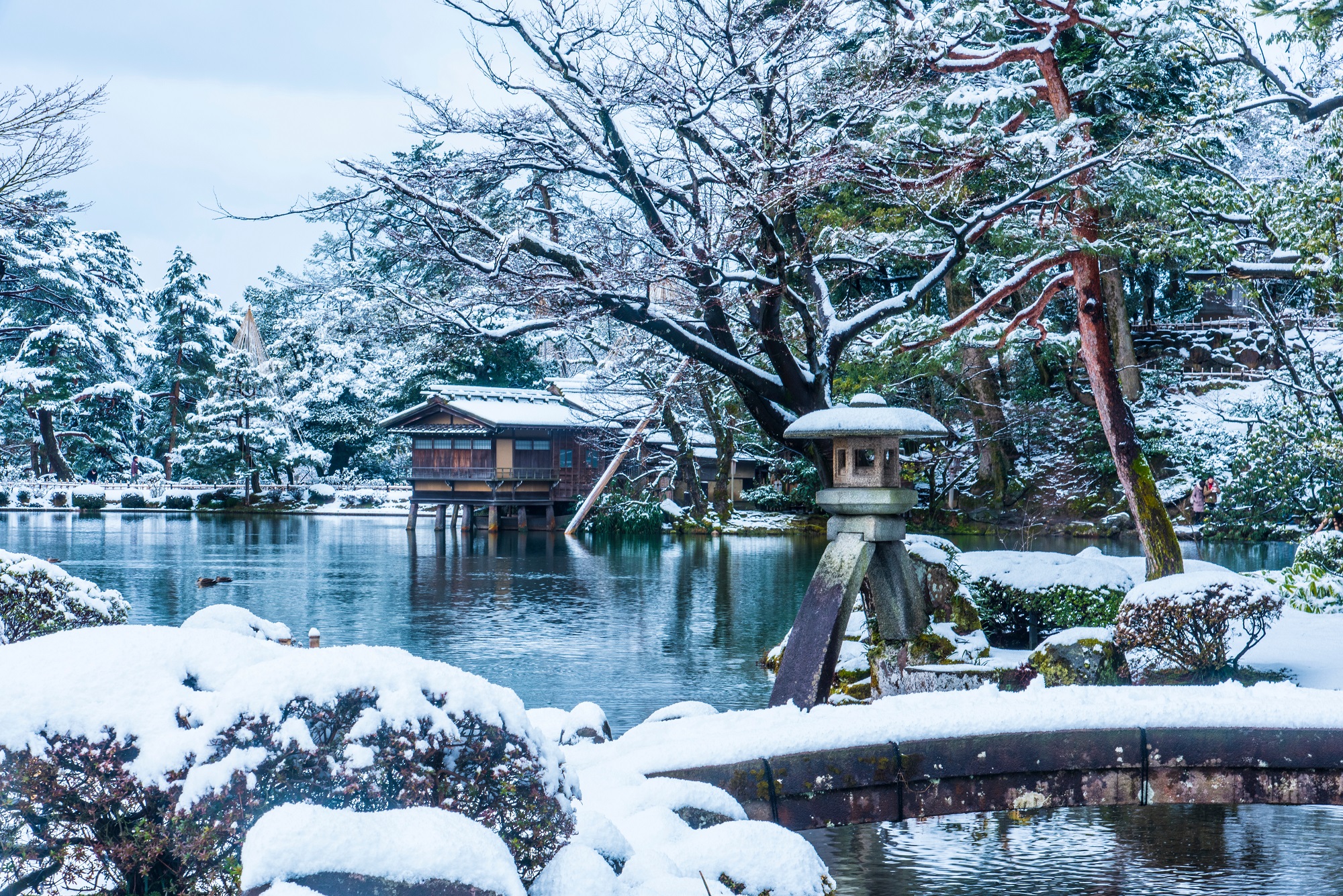
Kenroku-en / 兼六園 (Ishikawa)
Kenrokuen is one of the three most famous gardens in Japan, alongside Okayama Korakuen in Okayama City, Okayama Prefecture, and Mito Kairakuen in Mito City, Ibaraki Prefecture. As one of the most famo....
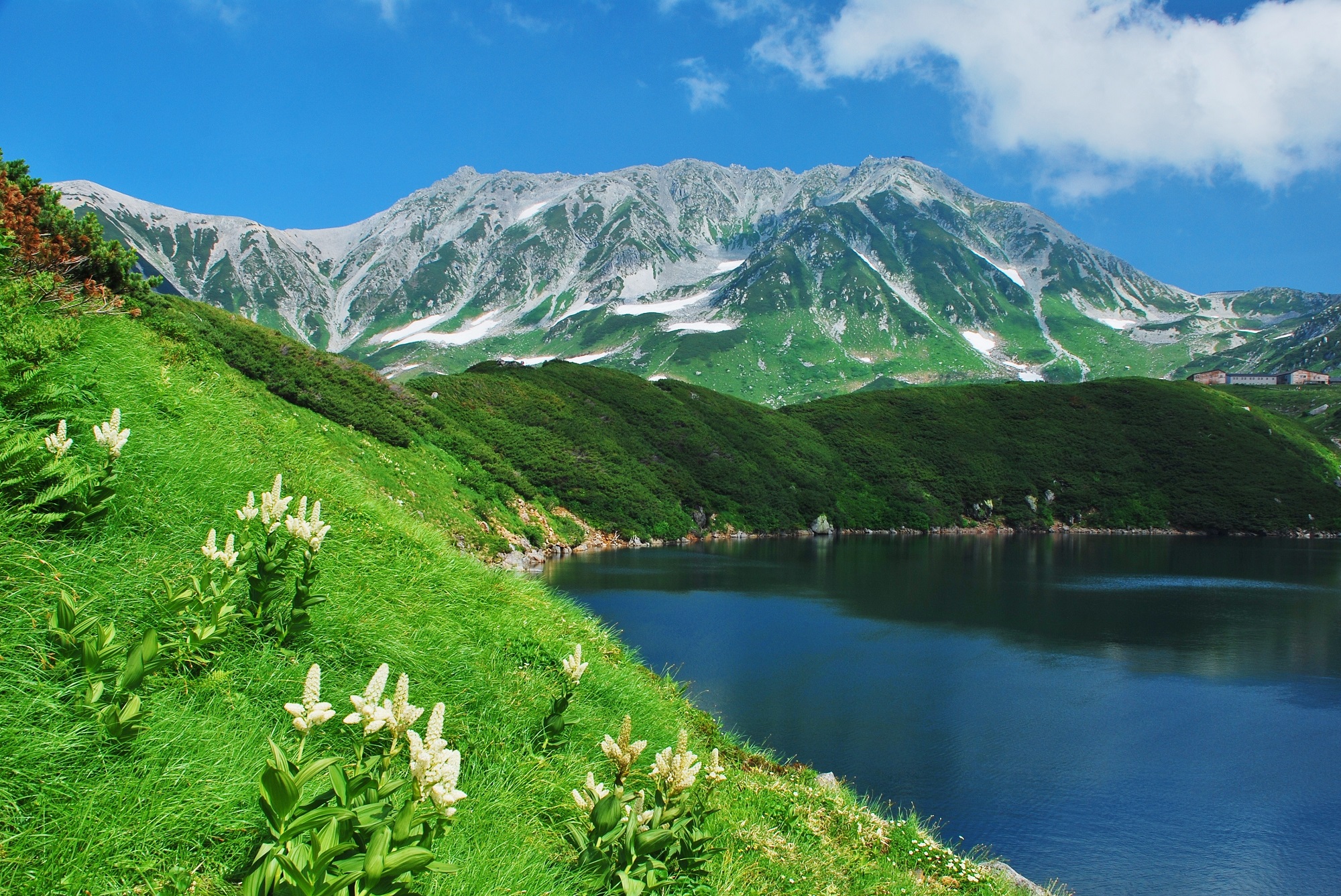
The Tateyama Kurobe Alpine Route / 立山黒部アルペンルート (Toyama)
The Tateyama Kurobe Alpine Route is one of the world's most famous mountain tourism roads, stretching 37.2 km through the 3,000-meter-high peaks of the Northern Alps and connecting Toyama and Nagano p....
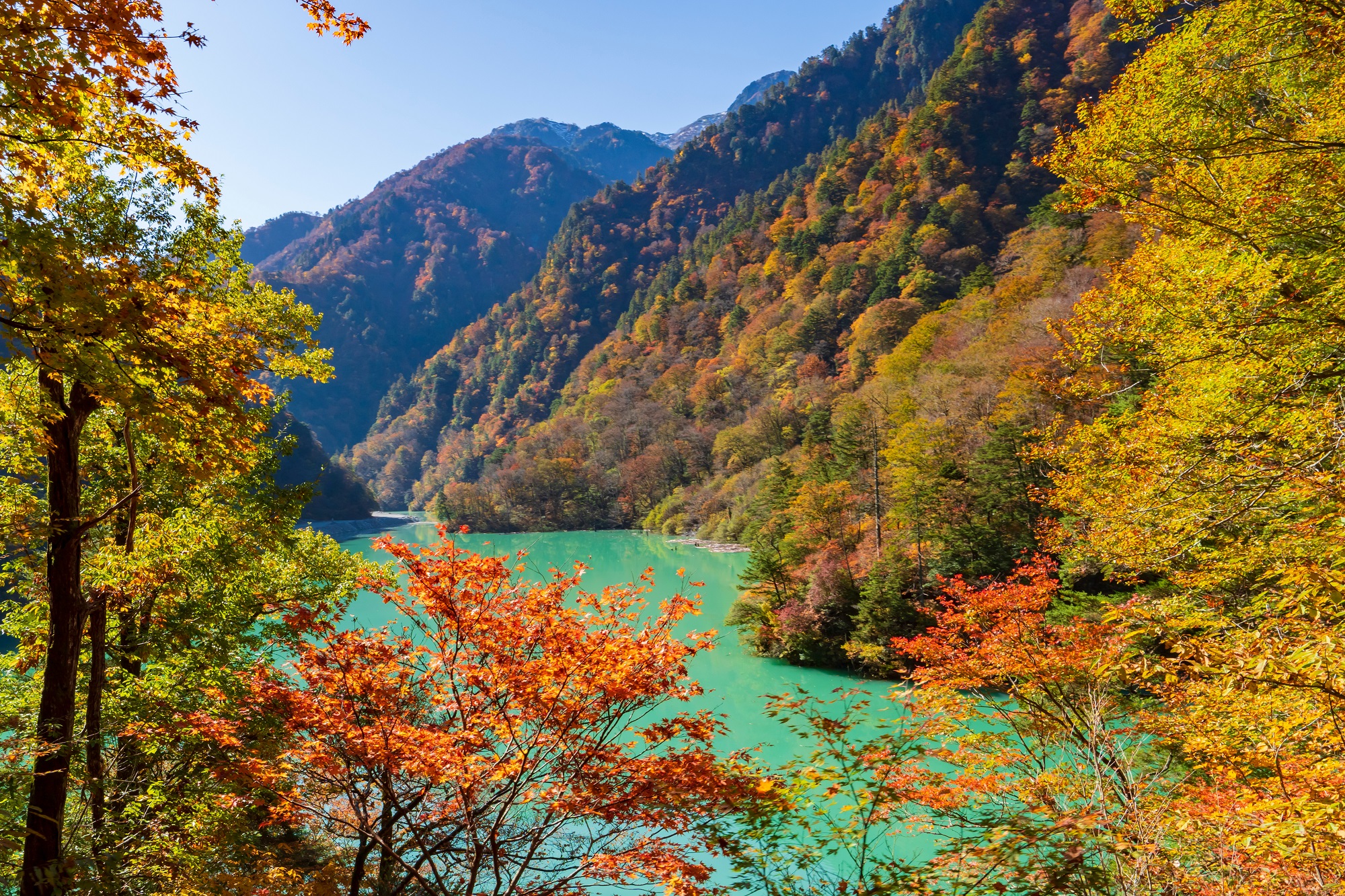
Kurobe Gorge / 黒部峡谷 (Toyama)
Kurobe Gorge in Toyama Prefecture is one of the most famous V-shaped gorges listed in the "Three Great Valleys" and the "100 Best Unexplored Areas" in Japan. It spans a total length of 86 km and an el....
 Nagoya Travel Guide