
Cherry Blossoms / 桜
History of Cherry Blossom Viewing
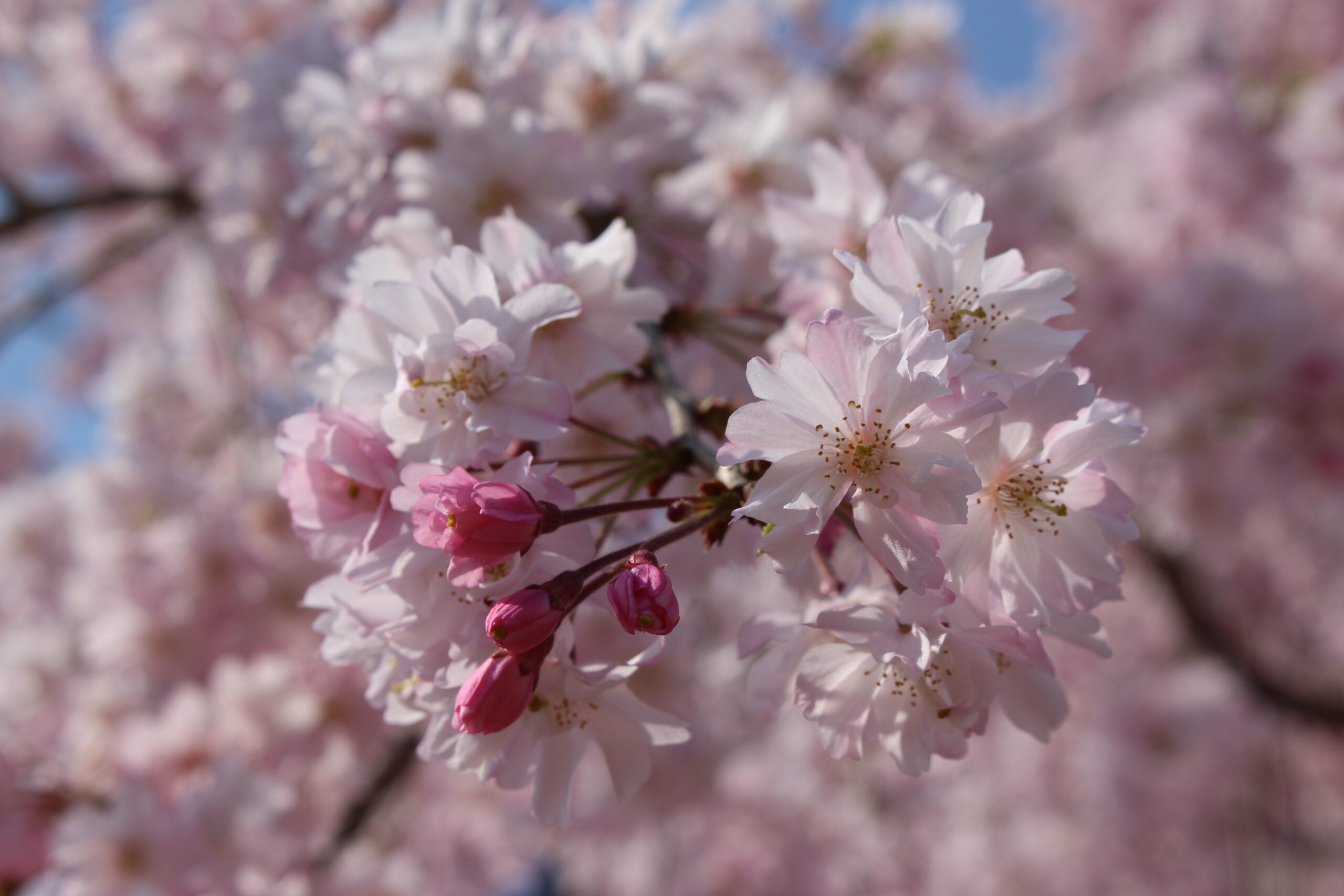
Cherry blossoms are the national flower of Japan and by far, the most beloved flower of the Japanese nationals. In ancient times, it was believed that the "Ta no Kami" [Deity of the Rice Fields] went away during the winter and return in spring, and when the blooming cherry blossoms heralded the arrival of the “Ta no Kami” [Deity of the Rice Fields]. So, "hanami" [cherry blossom viewing] was an event to pray to the "Kami" [deities] for a bountiful harvest. Until the 9th century, plum blossoms were the flower of choice for nobility, but the interest eventually shifted to cherry blossoms. Gradually, "hanami" [cherry blossom viewing] spread from the aristocracy to the samurai, then the citizens, spanning out from the cities to the countryside, to all people throughout the nation regardless of status adopted this authentic Japanese tradition.

During the Warring States Period, the scale of "hanami" grew exponentially, and in 1594, Toyotomi Hideyoshi held the "Yoshino Hanami", where some 5,000 people, including the famous military commanders of Tokugawa Ieyasu and Date Masamune, gathered for the grand feast which lasted for five days.
When Kaneiji Temple was built in Ueno, Taito Ward, Tokyo, in 1625, yamazakura cherry trees were planted in various places within the temple grounds. During the blooming season, the temple grounds were opened to the public and crowds of people flocked from far and wide to admire the picturesque scenery. Cherry trees were planted along the Sumida River, a large waterway running through Tokyo in 1717, and in 1720 Mt. Asuka, which later became a famous hanami spot, where citizens of Edo [now Tokyo] enjoyed eating, drinking, and being merry under the delightful pink canvas of the cherry blossoms.
Towards the end of the Edo Period (1603-1868) the planters in Somei Village [present-day Komagome, Toshima Ward, Tokyo] started the experiment of growing new varieties of cherry trees. The new variety which was first named the “Yoshino” cherry trees, changed the name to the “Somei-Yoshino” cherry trees to distinguish from the mountain cherry trees growing in the Yoshino District, Nara Prefecture. “Somei-Yoshino” cherry trees became popular, for the large and attractive flowers, in addition to the ability to grow quickly and bloom from a young age and was planted throughout Japan and spread over rapidly throughout Japan.
In 1868, as Japan entered the Meiji Era, many residences of the Daimyos and the gardens of the aristocrats were demolished. Combining the extensive damage from air raids during WWII, resulted in a sharp decline in the number of cherry tree species, said to have exceeded 250 by the end of the Edo Period (1603-1868). The plant breeders and researchers have continued to improve the varieties of cherry trees based on the remained, and the cherry trees have continued to spread throughout Japan and even abroad ever since.

Tips to Enjoy Hanami
Even today, people in Japan enjoy eating and drinking with family and friends under the cherry blossoms in full bloom. Numbers of hanami spots hosts cherry blossom festivals with illuminated cherry trees, stalls, and events. When visiting Japan during the cherry blossom season, enjoy the unforgettable hanami experience!
<General Hanami Regulations>
[Refrain from touching the cherry trees]
Because cherry trees are very delicate, touching the cherry trees are strictly restricted. Please enjoy the cherry trees from a step away.
[Always take your belongings with you]
For a pleasant experience for all, please take what you brought with you, even the garbage and trash.
[Keep quiet]
Enjoy the cherry trees in peace and quiet for comfort for all.
[Stay away from the off-limit areas]
Some areas are very close to private property. Please, refrain from entering private areas or areas marked "off-limits"
[Alcohol in moderation]
Some municipalities may have restricted drinking in public. Please consult the municipalities for information.
Please refrain from excessive alcohol intakes.
In addition, be careful when taking pictures, and keep an eye out for the surroundings for safety.
Recommended Hanami Spots in Chubu Region, Japan
Aichi
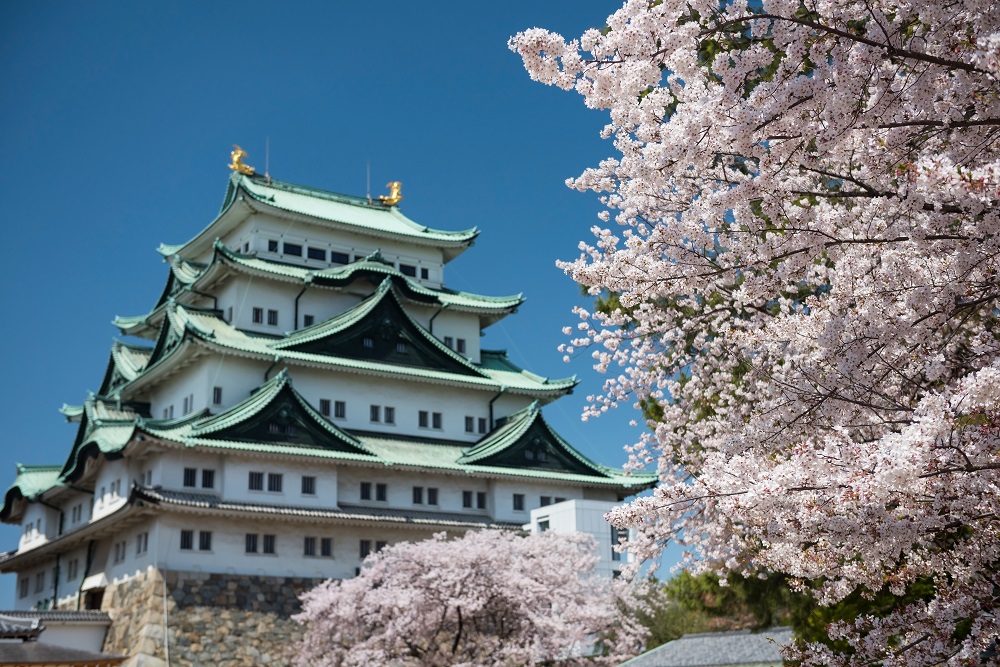
Nagoya Castle (Nagoya City)
Nagoya Castle is one of the most famous hanami spots in Nagoya. Approximately 1,000 cherry trees of Somei-yoshino and Shidare-zakura and other cherry trees are in full bloom from late March and will be illuminated during the annual Sakura Festival.
Click here for more on Nagoya Castle
Inuyama Castle (Inuyama City)
The Inuyama Castle as well as surrounding areas and the banks of Kiso River are famous for cherry blossoms and approximately 400 cherry trees burst gloriously into full bloom. The view of the cherry blossoms from the promenade along the Kiso River is still nice, and another recommendation is to take a sightseeing boat for the magnificent view of the castle and the cherry blossoms from the water.
Click here for more on Inuyama Castle
Shizuoka
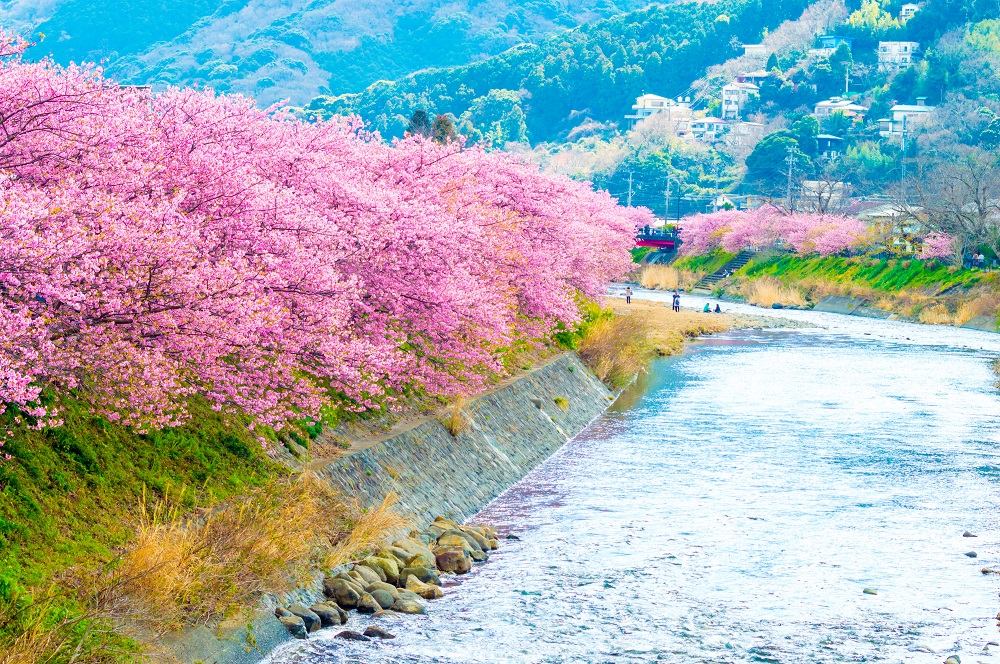
Kawazu River (Kawazu Town, Kamo-gun)
Due to the warm climate, the cherry blossoms of the Kawazu-zakura in Kawazu Town bloom early, from early February in full bloom for about a month every year. The outstanding characteristics of Kawazu-zakura are the large petals and the bright color of pink, and there are 8,000 cherry trees in Kawazu Town. "The Kawazu-zakura Cherry Blossom Festival" is held during the blooming season annually and is visited by a million tourists, inside and outside of Japan, and the enchanting light show is held after dark.
Hamamatsu Castle Park (Hamamatsu City)
Hamamatsu Castle Park, despite the location in the center of Hamamatsu City, is an oasis of greenery. In addition to the Hamamatsu Castle where Tokugawa Ieyasu spent 17 years in the prime of his life, approximately 360 cherry blossom trees bloom from late March to early April. They are primarily Somei Yoshino trees, and other variations such as Shidarezakura [weeping cherry blossom] and Yamazakura [wild cherry blossom] are also seen. One of the best places to enjoy the cherry blossoms in Hamamatsu, drawing crowds of people.
During the Cherry Blossom Festival, lights illuminate Hamamatsu Castle and the cherry blossoms until 9 p.m.
Click here for more on Hamamatsu City
Nagano
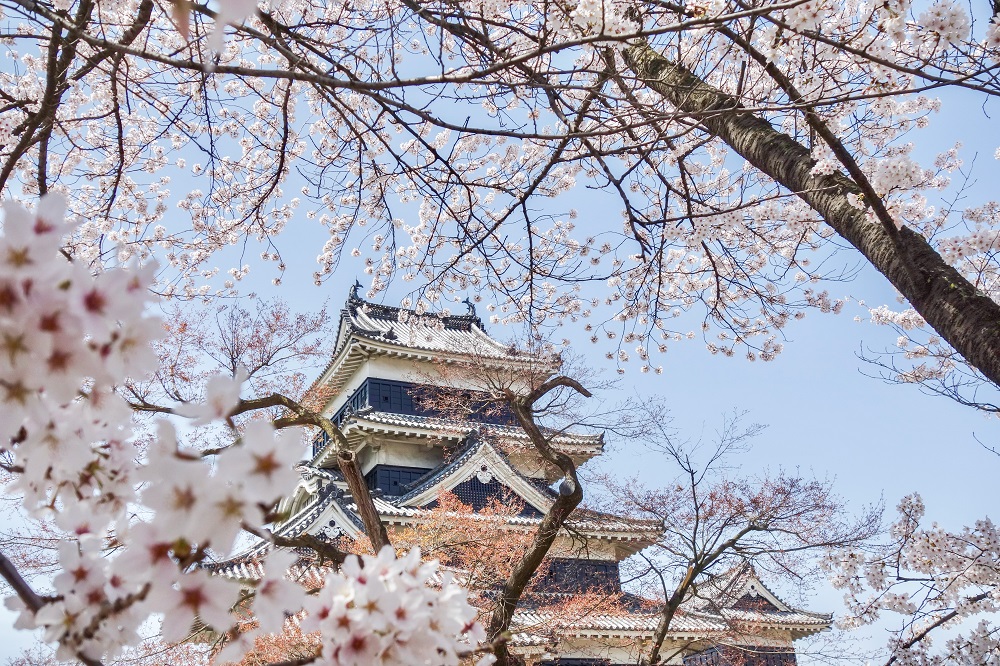
Matsumoto Castle (Matsumoto City)
Matsumoto Castle hosts the "Night Cherry Blossom Party", and the "National Treasure Matsumoto Castle Cherry Blossom-Lined Path of Light", annually for eight days from three days afterward the declaration of cherry blossoms in full bloom. The castle tower, Honmaru Garden, and rows of cherry trees along the outer moat of Matsumoto Castle illuminated at night is another recommendation.
Click here for more on Matsumoto Castle
Shiroyama Park (Nagano City)
Shiroyama Park, established in the 1900s, is the oldest park in Nagano City, located to the east of Zenkoji Temple, and is widely known as one of the top cherry blossoms viewing spots in the city of Nagano. The slope lined with cherry trees leading to the Unjoden Hall of Zenkoji Temple, and the “bonbori” [lanterns] are hung to add an ethereal feel to the hanami experience.
Click here for more on Nagano City
Gifu
Gifu Park and Nagara River Bank (Gifu City)
The area around Gifu Park and the Nagara Riverbank is a famous hanami spot of approximately 1Km of cherry trees. Gifu Park is located at the foot of Mt. Kinka and on the north side of the park is a garden built in commemoration of the friendship city affiliated with Hangzhou City in China. The garden appears as a beautiful pink painting when the cherry blossoms bloom in spring.
Click here for more on Gifu City
Around Nakabashi Bridge (Takayama City)
Spanning Miya River running through the center of Takayama City, Nakabashi Bridge is a famous cherry blossom viewing spot and the view of the contrast between the red bridge and the cherry tree branches overhanging the river is breathtaking. The bridge basked in warm light at night, creates a fantastic vista differing from daytime. In some years, the cherry blossoms bloom just in time for the Spring Takayama Festival, to enjoy the extra special experience of the festival graced by the beauty of the cherry blossoms.
Click here for more on Takayama City

Mie
Miyagawa Tsutsumi (Ise City)
Miya River used to be a place to purify before paying homage to the deity by visitors to Ise Jingu [Shrine], and the cherry trees are lined for about 1 km along the riverbank. Alongside the river is an open grassy area to enjoy cherry blossom viewing, and a promenade along the rows of cherry trees to pass through a tunnel of cherry blossoms. At night, the trees are lit up for a gorgeous spectacle.
Click here for more on Ise City
Ueno Park (Iga City)
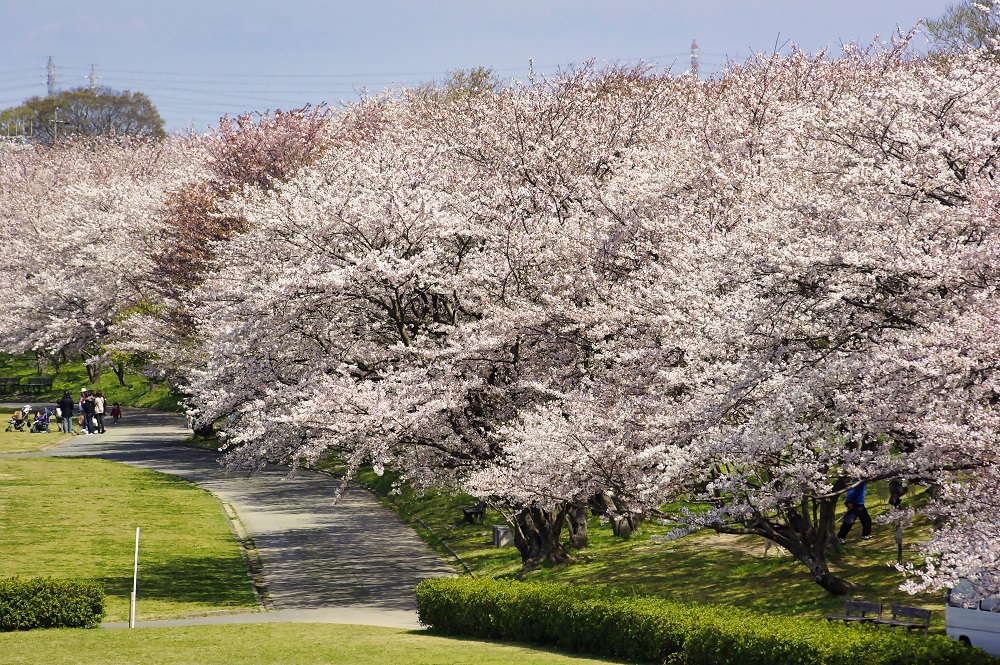
There is a wide array of attractions at the Iga-Ueno Park, including the Iga-Ueno Castle, the Ninja Residence, the Haiseiden, a memorial hall built in honor of haiku poet Matsuo Basho, and the Old Basho Memorial Hall. The park is surrounded by numerous cherry trees and the collaboration of Ueno Castle with the stone walls looming 30 meters high and cherry blossoms in full bloom is another site to recommend.
Click here for more on Iga City
Shiga
The Lake Biwa Canal (Otsu City)
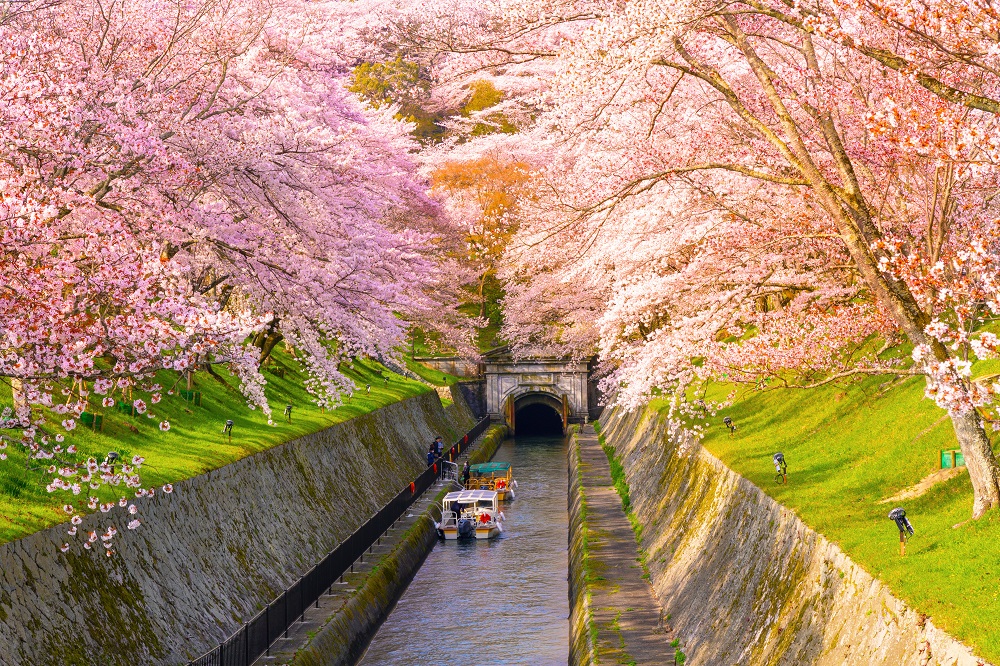
The Lake Biwa Canal is a historic man-made waterway built in 1890 to carry water from Lake Biwa to Kyoto and was the first large-scale civil engineering project designed and built by Japanese. With the passage of time, the landscape exuding the charm of the four seasons has become a place of recreation for the public. In 1972, the area around one of the branch canals, Nyakuoji, was developed as "The Path of Philosophy", and it is now known nationwide as a place famous for its cherry blossoms. Enjoy the view of the cherry trees while strolling along the promenade or by taking a ride on the Biwako Canal Cruise [Biwako Sosuisen] and appreciate the cherry blossoms from a different angle.
Click here for more on Otsu City
Hikone Castle (Hikone City)
Hikone Castle once used to be the residence of the Ii family, feudal lords who served in important positions in the Edo Shogunate and supported the reign of the Tokugawa family. Numerous cherry trees are planted around the double moat remaining to this day, and the reflection of the castle and cherry blossoms in full bloom on the surface of the moat is a recommendable site to see.
Click here for more on Hikone Castle
Fukui
Maruoka Castle (Sakai City)
Maruoka Castle is the only castle in the Hokuriku region with an existing castle tower built before the Edo Period. The castle tower is encircled by 400 cherry trees, and the castle tower appears to float on a cloud of pink blossoms when the cherry blossoms are in full bloom, creating a magical sight. Enjoy a different view of Maruoka Castle and the cherry blossoms when the castle is lit up at night than that of the daytime.
Click here for more on Sakai City
Asuwa River (Fukui City)
Asuwa River running through the heart of Fukui Prefecture boasts a 2.2Km corridor of cherry blossom trees along the northern bank. The 600 cherry trees from one of the largest arches in Japan became one of the impressive hanami spots in Japan. The Fukui Spring Festival is held during the blooming season and the trees are illuminated at night.

Ishikawa
Kenroku-en (Kanazawa City)
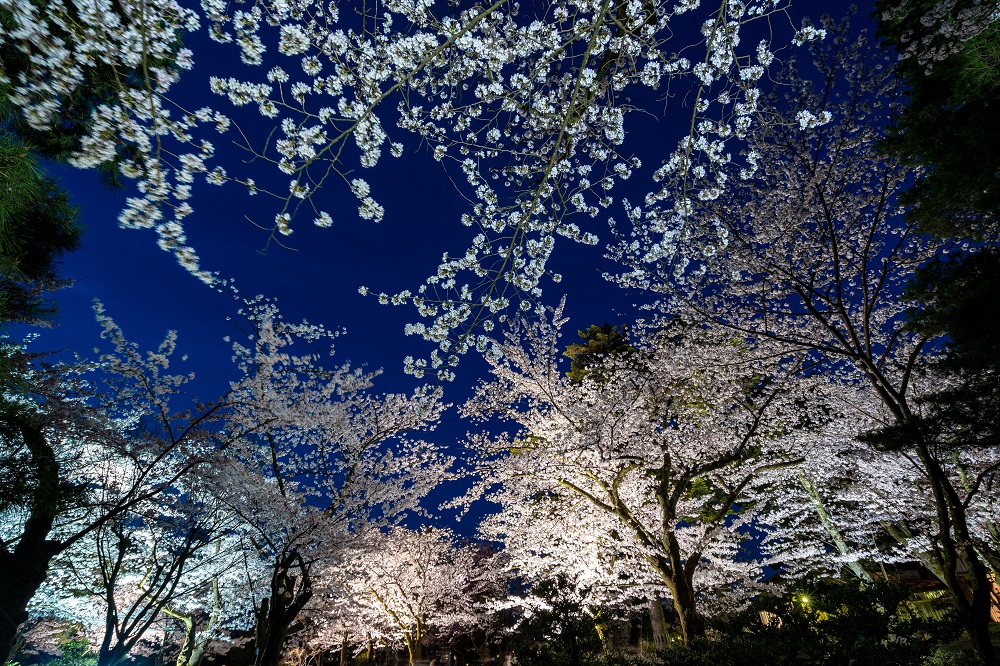
Kenrokuen, one of three most famous traditional gardens in Japan, was created over a long period of time by successive lords of the Kaga domain. More than 400 cherry trees in over 40 varieties are in the garden, including the "Kenrokuen Kikuzakura" [chrysanthemum cherry tree], rare species looking like a chrysanthemum flower with 300 petals on each flower. Kenrokuen is also lit up gorgeously during the cherry blossom season.
Click here for more on Kenrokuen.
Ipponmatsu Park (Wajima City)
One of the famous cherry blossoms viewing spots in Okunoto, Ipponmatsu Park in Wajima City has approximately 1,000 cherry trees. The cherry trees are planted on both sides of the promenade to enjoy passing under the pink tunnel of cherry blossoms topped with an unforgettable panoramic view of the Sea of Japan.
Click here for more on Wajima City
Toyama
Oyabegawa Kasen (Nanto City)
Oyabe River runs through the center of Fukumitsu Town, Nanto City, lined with cherry trees for about 2 km along the banks, an area commonly known as "Senbonzakura" [one thousand cherry trees]. There is also an open grass area alongside the riverbed where to enjoy picnics while appreciating the surrounding flowers. The area is lit up with lanterns at night, creating fantastic sights.
Click here for more on Nanto City
Matsukawa Park (Toyama City)
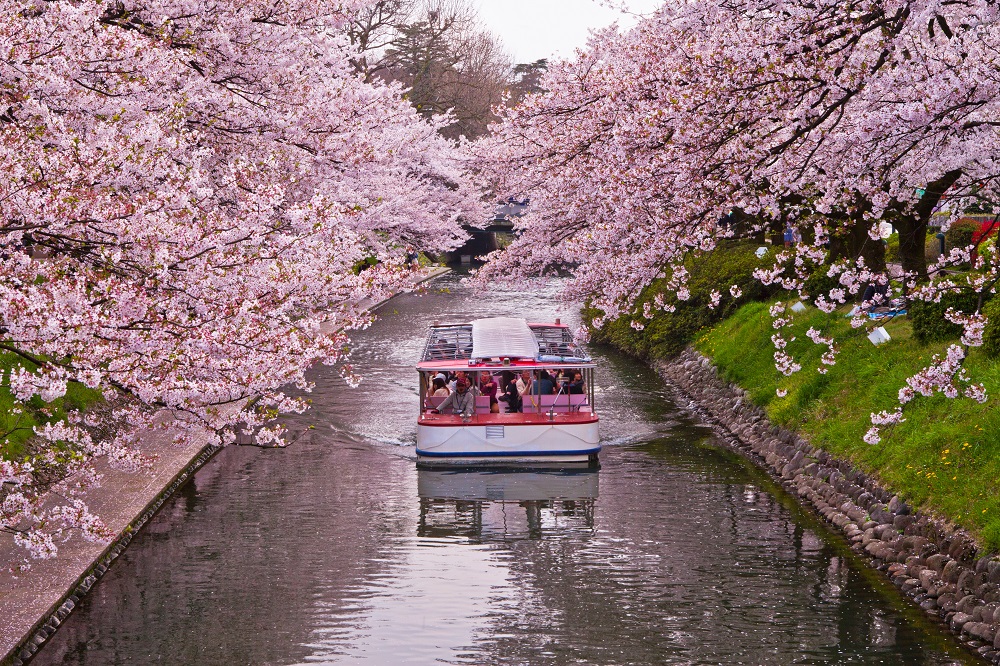
Running through the heart of Toyama, Matsukawa River is one of the best cherry blossoms viewing location of the region, boasting about 500 cherry trees lining both sides of the banks. The river was used to serve as the outer moat of Toyama Castle, and Toyama Castle is able to be seen from the riverside even today. Strolling along the riverside promenade is one way to view the flowery scene and take a sightseeing boat through the tunnel of the cherry blossoms for a special experience.

Destinations
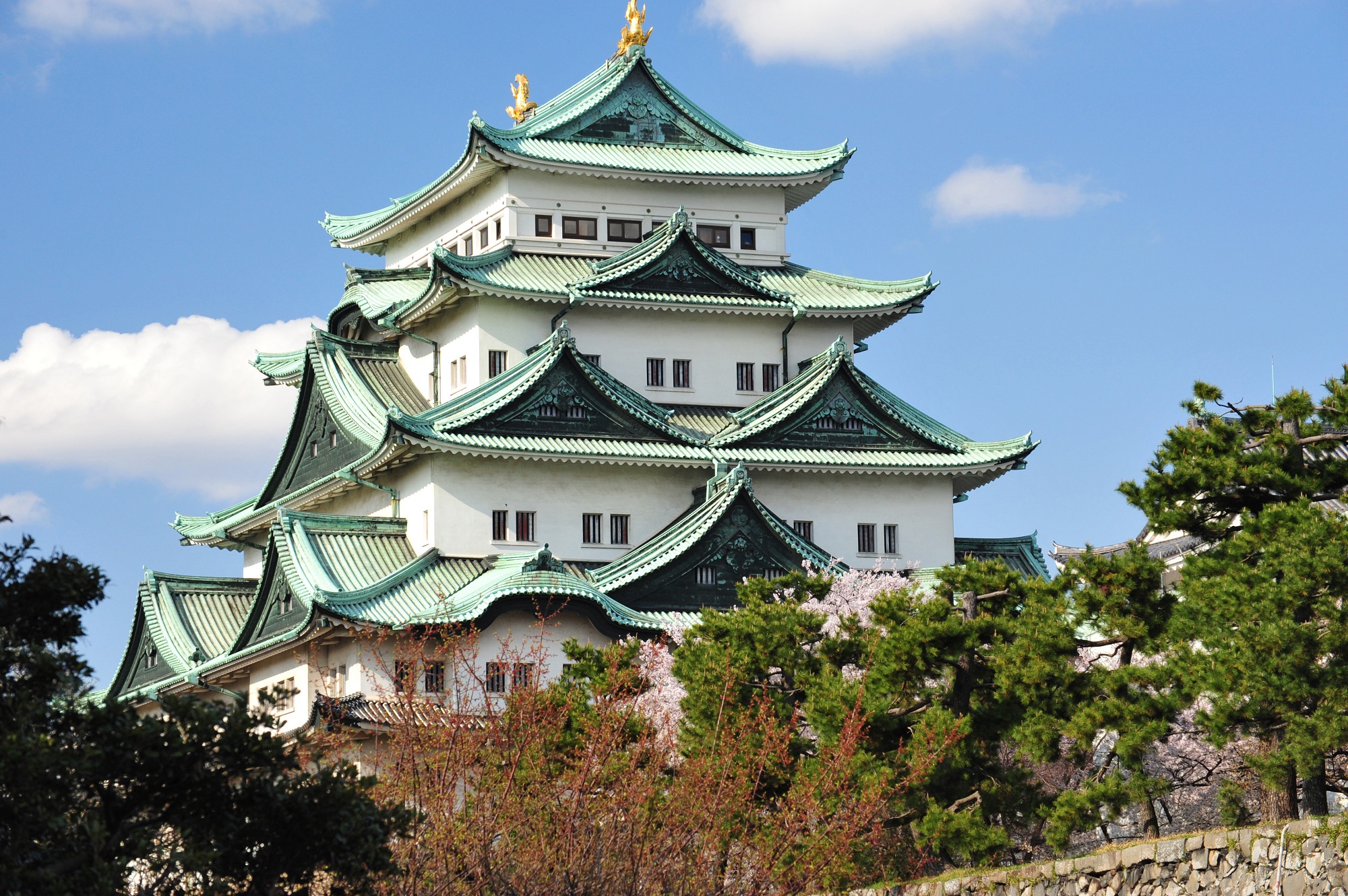
Nagoya Castle / 名古屋城 (Aichi)
Nagoya Castle, the one of the icons of Nagoya, was completed in 1615 by the Shogun, Tokugawa Ieyasu. Intended as the residence of the Owari Tokugawa family to prepare for the threat of the Toyotomi Cl....
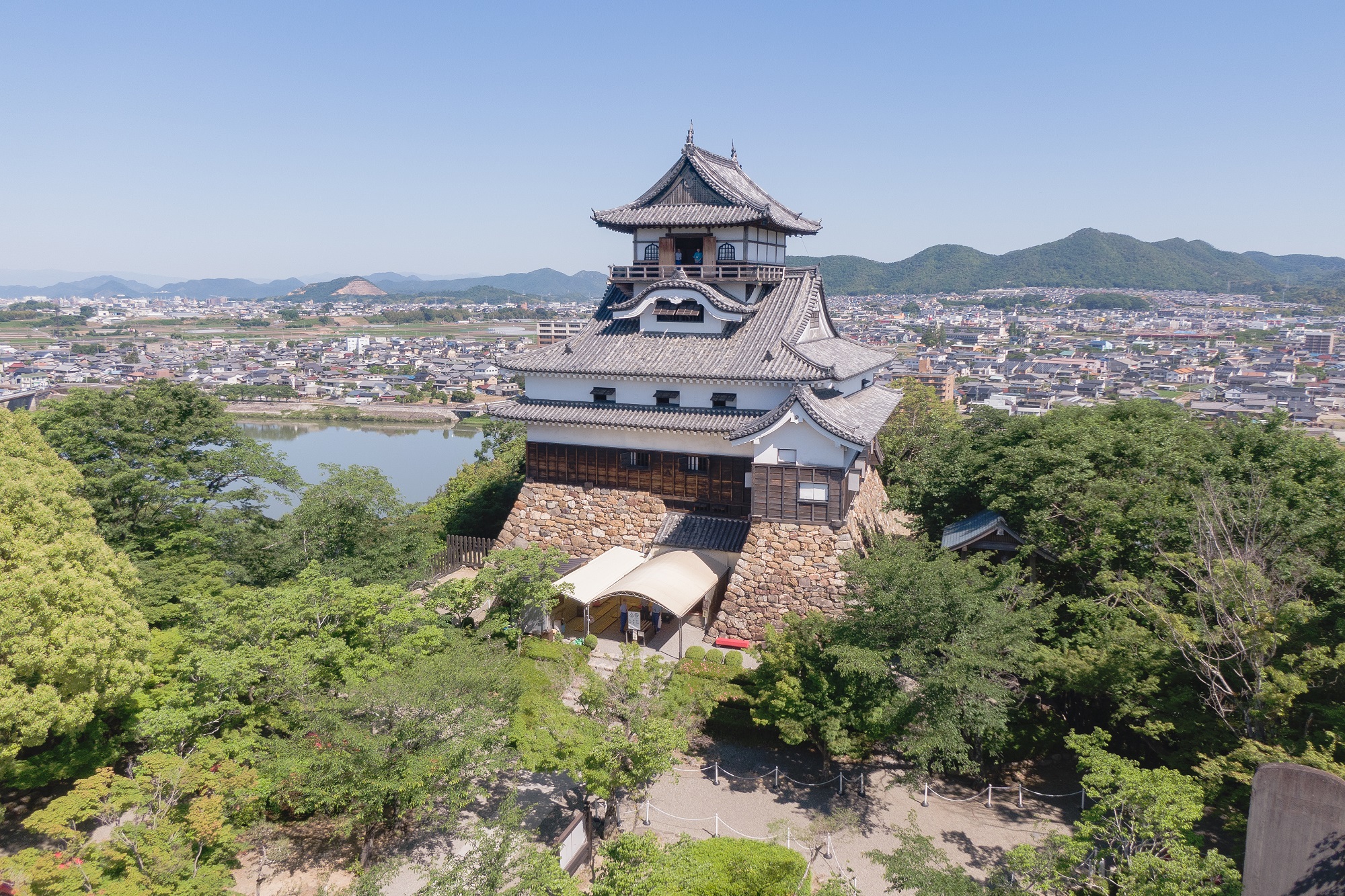
Inuyama Castle / 犬山城 (Aichi)
Built in 1537 by Oda Nobuyasu, the uncle of the famous warlord Oda Nobunaga, Inuyama Castle is the symbol of Inuyama City. The castle's keep is the oldest still standing in Japan, and the castle as a ....
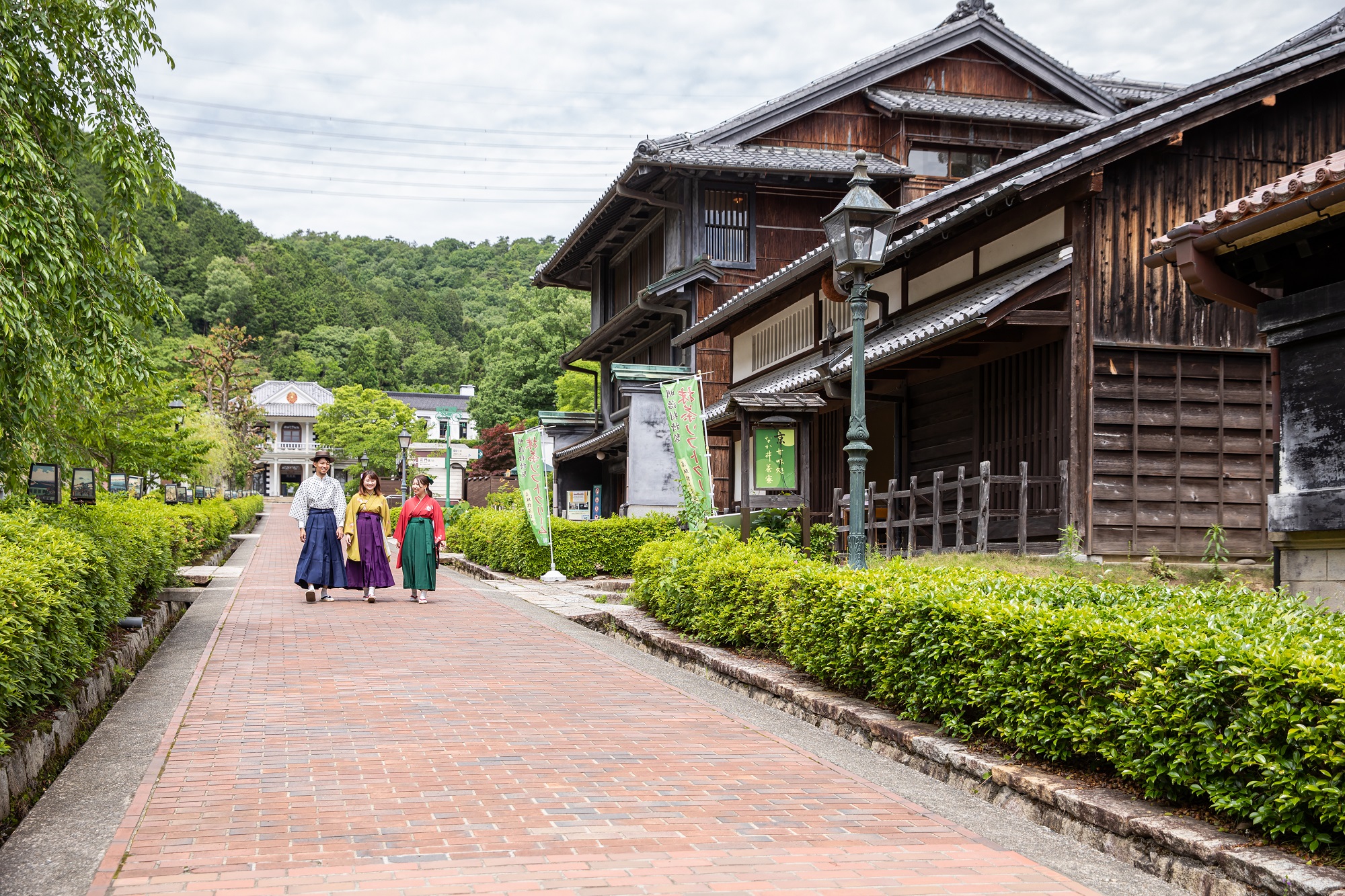
Museum Meiji-Mura / 明治村 (Aichi)
Open-air museum Meiji Mura opened in 1965 to preserve and exhibit Meiji architecture. Buildings of artistic and historical value, mainly from the Meiji Era (1868-1912), have been relocated and restore....
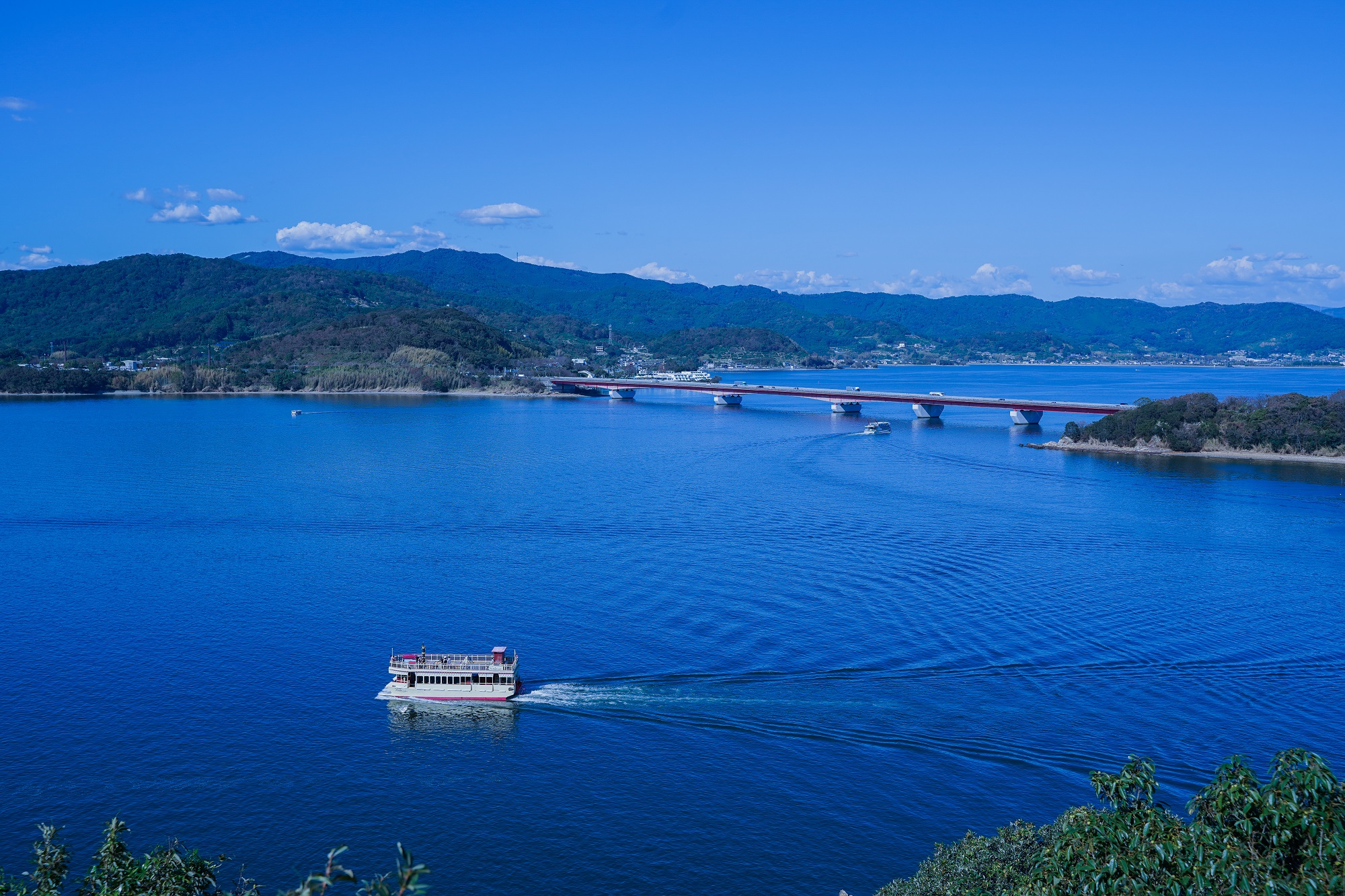
Hamanako [Lake Hamana] / 浜名湖 (Shizuoka)
Lake Hamana is a brackish-water lake that spans the boundaries of Hamamatsu and Kosai cities. With a circumference of 114 km, it is the largest brackish-water lake in Japan. Eels, seaweed, oysters, an....
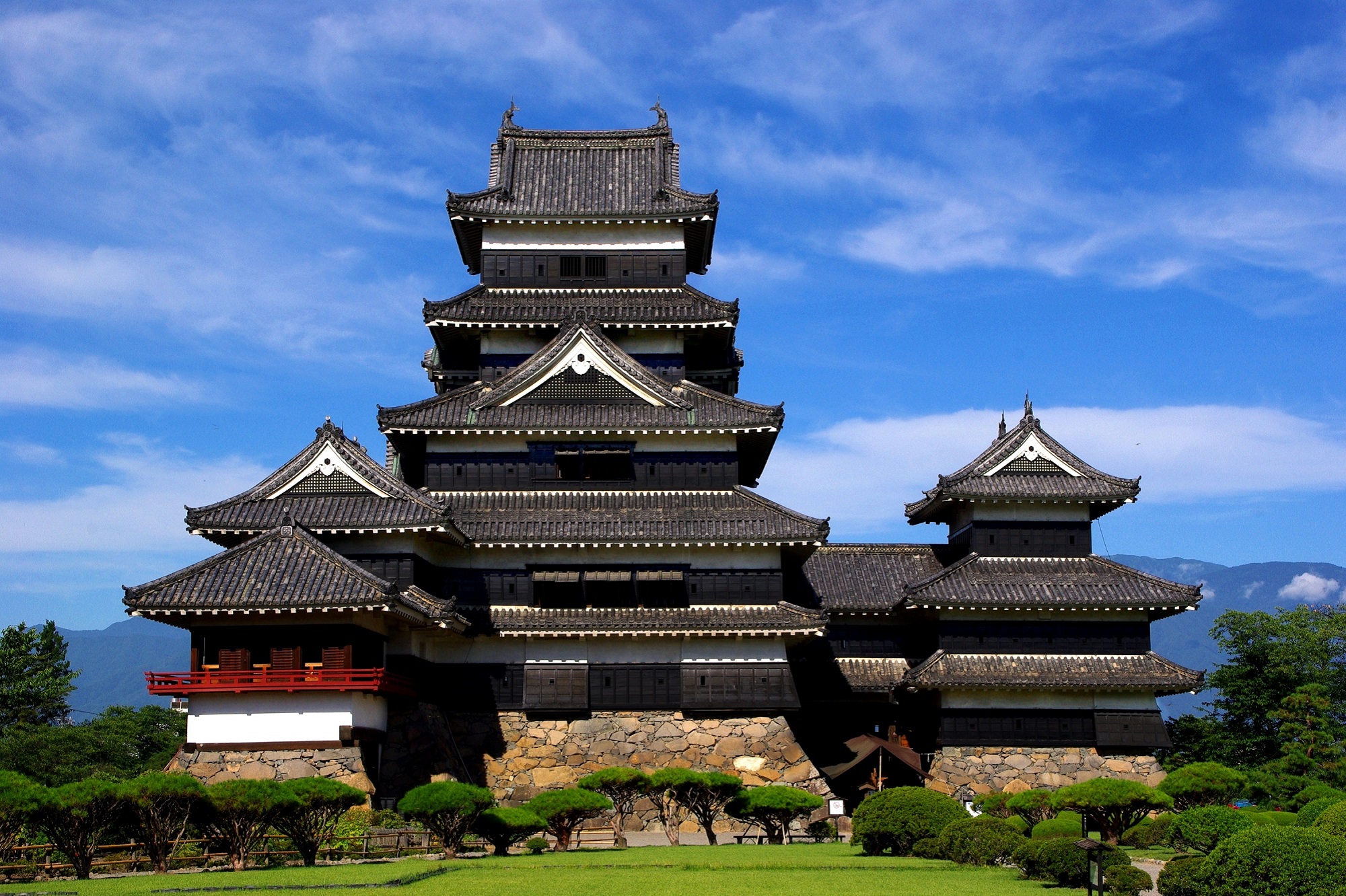
Matsumoto Castle / 松本城 (Nagano)
Matsumoto Castle is Japan's oldest five-tiered castle with a six-story keep, and one of only 12 castles in the country with a keep that dates back pre-Edo Period (1600/1603-1868). Currently, only two ....

Gifu Castle / 岐阜城 (Gifu)
Gifu Castle, formerly known as Inabayama Castle, was Saito Dosan during the Warring States Period. Perched atop a rocky hill, this castle was reputed as being impregnable, and it was said that "whoeve....
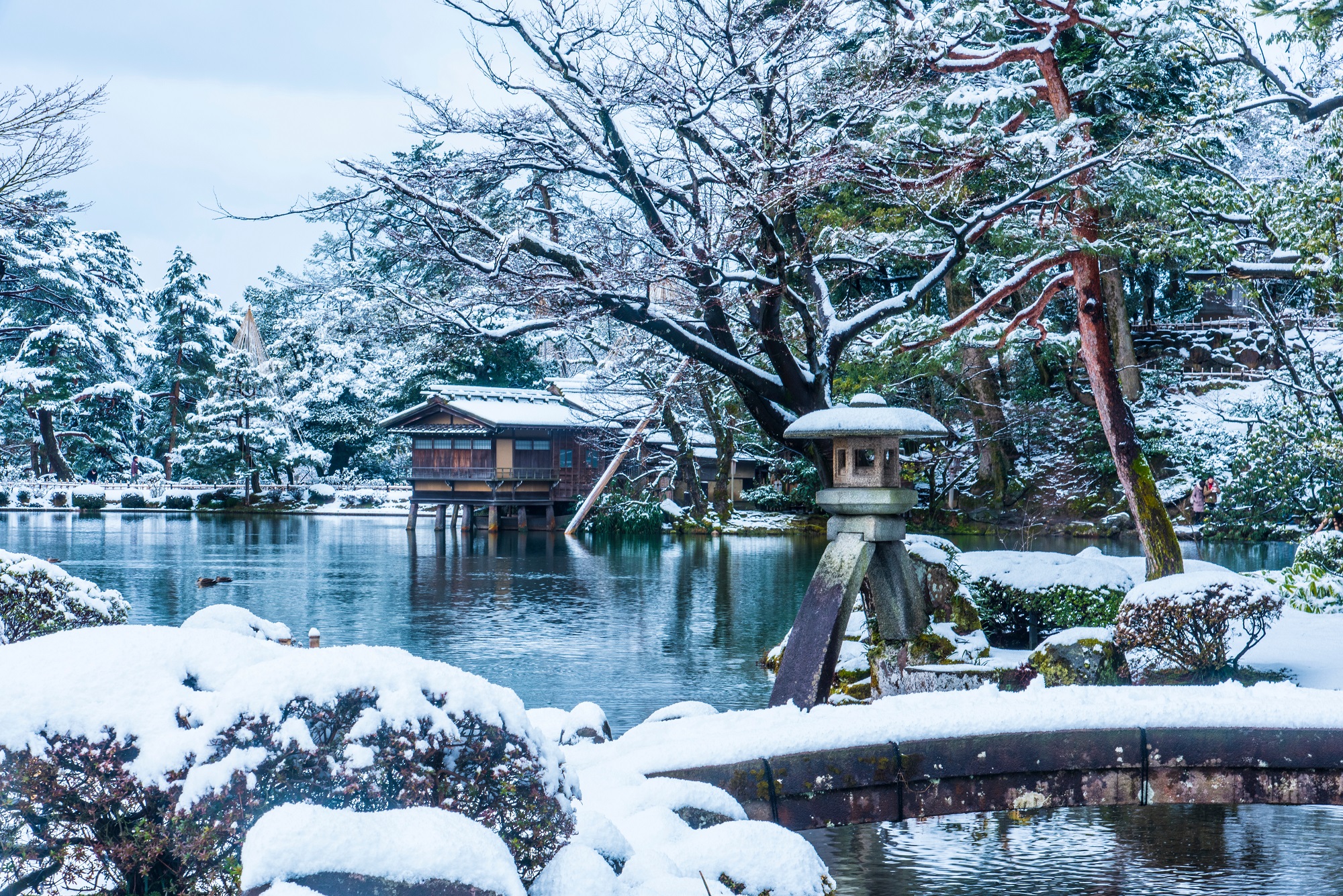
Kenroku-en / 兼六園 (Ishikawa)
Kenrokuen is one of the three most famous gardens in Japan, alongside Okayama Korakuen in Okayama City, Okayama Prefecture, and Mito Kairakuen in Mito City, Ibaraki Prefecture. As one of the most famo....
News
Latest news and staff posts from Meitetsu World Travel.
2026.9.28What's new
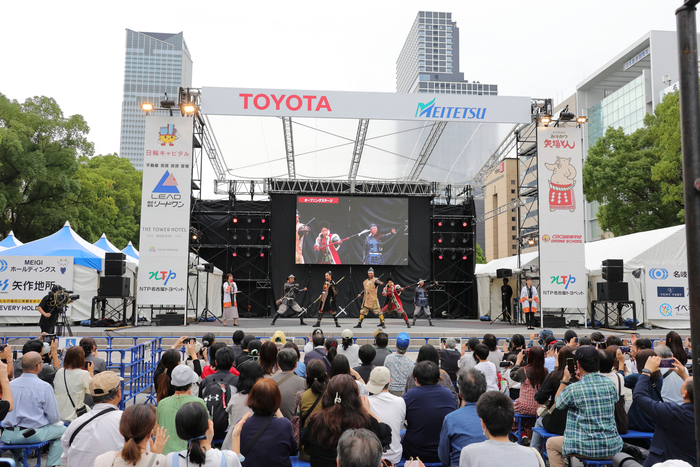
Experience the Nagoya Festival 2026: A Spectacular Celebration of History, Culture, and Samurai Heritage
2026.9.28What's new
Tsu Festival: A Nearly 390-Year-Old Celebration of Traditional Arts and Yosakoi
2026.9.16What's new
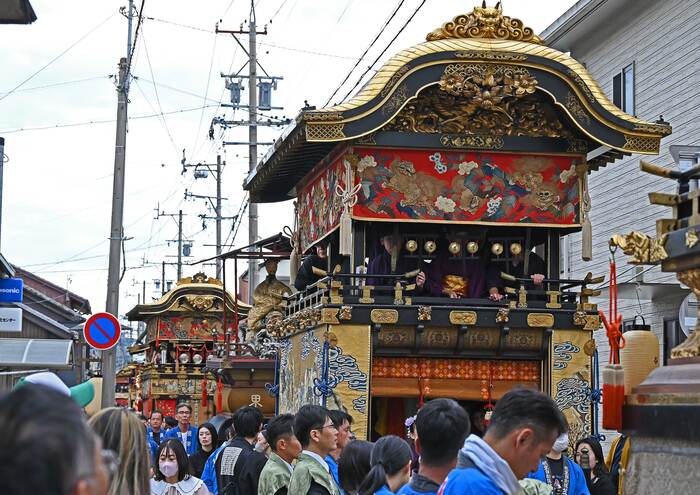
Owari Tsushima Autumn Festival: Experience Traditional Japanese Floats and Karakuri Puppets
 Nagoya Travel Guide