
Temples and Shrines / 寺院・神社
About Temples and Shrines
Japan is home to numbers of temples and shrines, and both being uncommon overseas, it is not surprising to have some confusion between the two.
The temples [(o)tera] are the places for Buddhist monks to live and practice Buddhism, a religion originated in India and was introduced to Japan in the 6th century through China and the Korean Peninsula.
The origin of the shrines [jinja] is to worship the "Kami" [deities] as a part of the "Shinto" [the way of gods], a belief originated in Japan. For generations, Japanese have believed that the "Kami" [deities] reside in every existing object, visible or not, including the "Kami" [deities] itself.
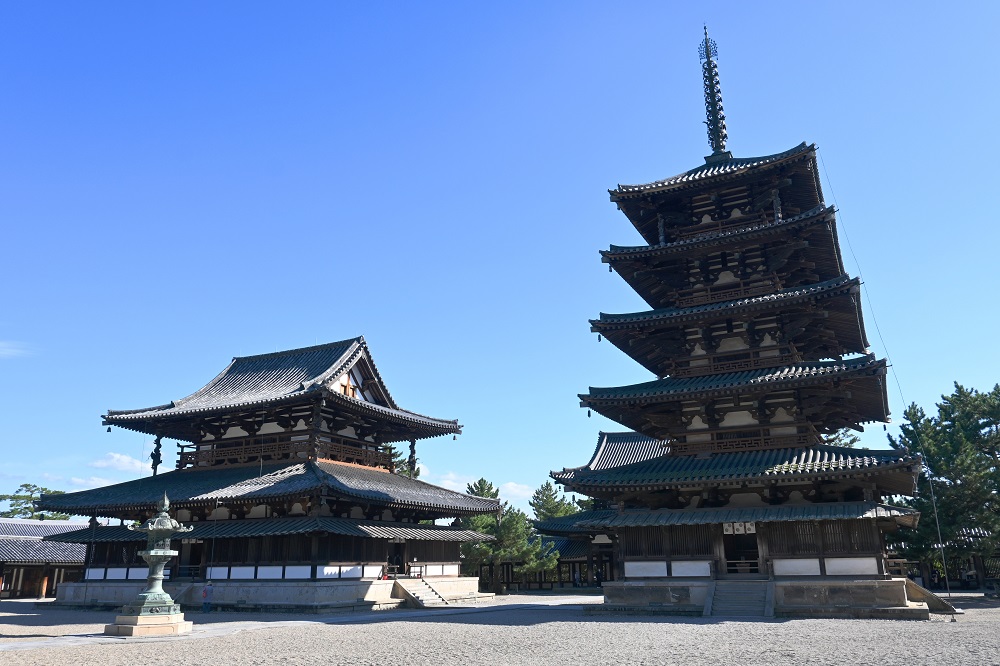
The object of worship at the temple is the "Buddha", and the temples generally has a "Sanmon Gate" at the entrance, a pagoda to represent the Buddha, and a "Kondo" [main hall] where the image of the Buddha is enshrined. The monks not only spread the teachings of the Buddha but also manage the temples and the cemeteries and presides funerals and memorial services.
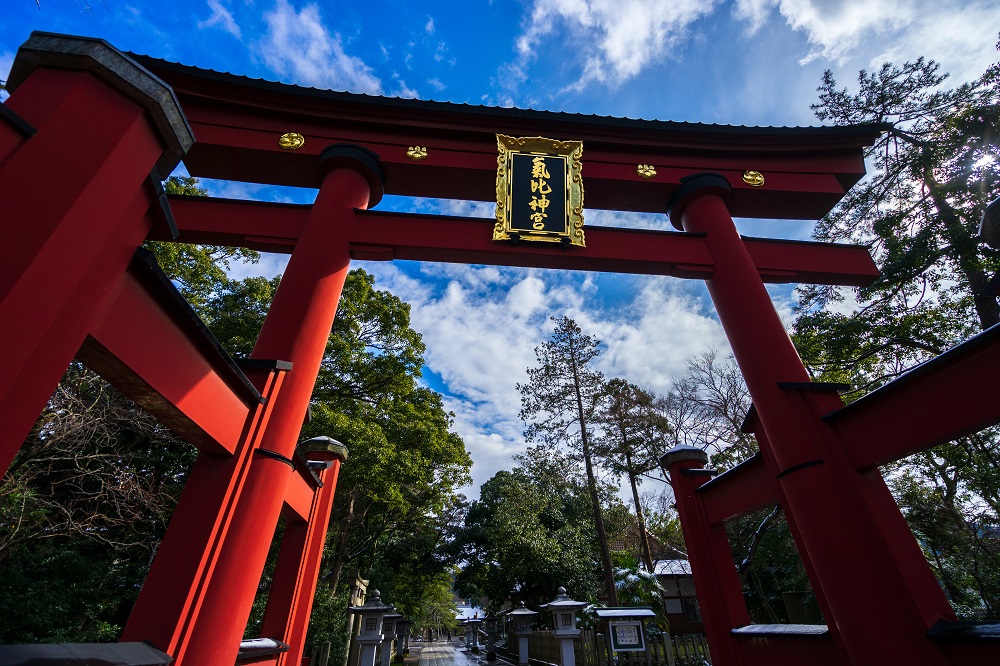
Shrines generally have a "Torii Gate" at the entrance that leads into the "Sando" [path leading to the shrine]. To the side of the "Sando" is a "Temizu-sha" [a place for cleaning hands and rinsing mouth], and at the end is the "Honden" [Main sanctuary], where the deity is enshrined. "Kannushi" [Shinto priests], performs rituals, prayers, and shrine duties.
History and Types of Temples and Shrines
Buddhism was introduced to Japan during the Asuka Period (592-710), and Horyuji, Shitennoji, and more temples were built during this time. The Tendai and Shingon sects were introduced from the Tang China in the Heian Period (794-1185), lead to the openings of the temple complexes at Mt. Hiei and the Mt. Koya in Japan. Buddhism had spread among both the samurai and the public during the Kamakura Period (1185-1333), resulting in the development of many sects of Jodo-shu [Pure Land], Jodo Shin-shu [True Pure Land], the Nichiren, and more. The Soto and the Rinzai sects, advocating the attainment of enlightenment through the Zen meditation, were also introduced during this period.
Shinto, an ancient Japanese religion, teaching that the "Kami" [deities] reside in all things. With no official founder or fixed set of teachings to follow, Japanese people worshiped mountains, giant trees, and other elements of the natural surroundings as deities. Gradually beginning to establish places to hold rituals and build shrines and came to believe that the deities resided in the shrines. Shrines have six different designations: Jingu, Miya, Daijingu, Taisha, Jinja, and Sha, which indicate the level of prestige. Jingu enshrines the ancestral deities and sacred items of the Imperial Family. The "Ise Jingu" of Mie Prefecture is referred to as the "Jingu".

Visiting Temples and Shrines
Visiting a Temple
The following is the basic way of visiting a temple. There may be different ways of visiting each temple. If that is the case, please follow the way of visiting the temple visiting.
[1. Entering the precincts]
At the temple gate and the entrance of the designated sacred area, remove your hat. Hold "Gassho" [the Buddhist hand sign of putting your hands together silently in front of your chest] and bow once.
[2. Purify]
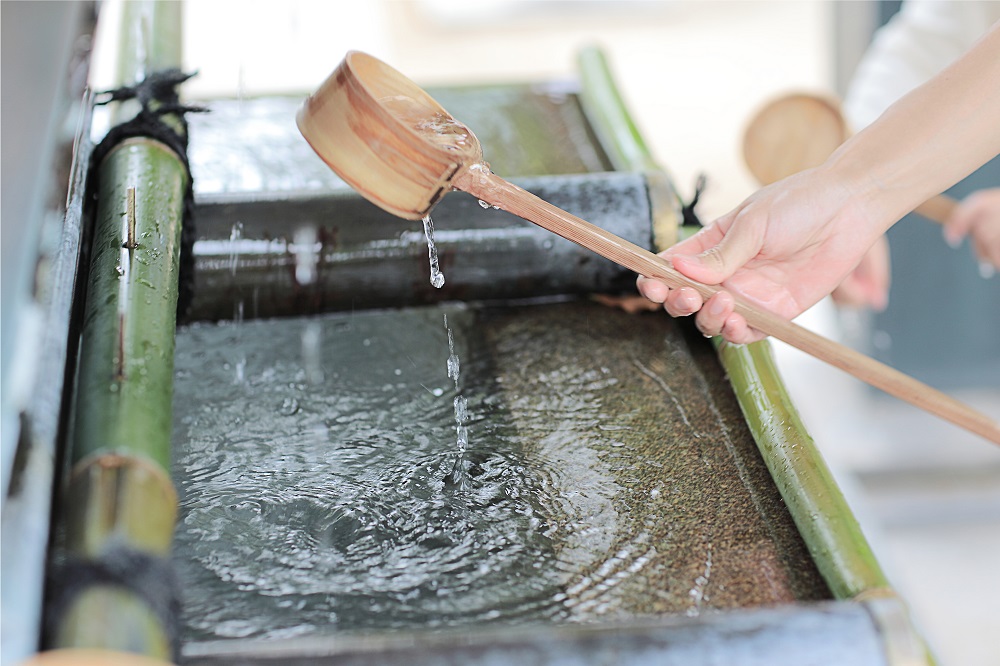
If there is a Chozuya [water ablution pavilion], purify your mind and body.
1. Take the dipper with your right hand and fill it with water.
2. Pour some water over your left hand to rinse.
3. Shift the dipper to your left hand and rinse your right hand.
4. Take the dipper with your right hand again and pour water into your left-cupped hand and rinse your mouth.
*Please do not touch the dipper directly with your mouth.
5. Finally, rinse your left hand once more and tilt the dipper so that the remaining water trickles down the handle to cleanse it.
[3. Worship]
1. At the entrance of the hall, hold "Gassho" [the Buddhist hand sign], and bow once, then proceed into the hall.
2. In front of the principal image, hold "Gassho" [the Buddhist hand sign], and bow once. Place a candle, an incense stick and "Osaisen" [Offertory] at the designated places for each. Recite the sutra and pray.
3. As the conclusion of the worship, hold "Gassho" [the Buddhist hand sign], and bow once.
4. At the end of the visit, hold "Gassho" [the Buddhist hand sign], and bow once at the exit of the hall and the gate of the temple or the exit of the designated sacred area.
Visiting a Shrine
The following is the basic way of visiting a shrine. There may be different ways of visiting each shrine. If that is the case, please follow the way of visiting at the shrine visiting.
[1. Entering the precincts]
The "torii gates" at the shrines are the boundary to the sacred precincts. Stand on either the left or the right side of the torii and bow once. The center of the path is the path of the "Kami" [deity], so keep out of the center of the path. You are free to wear whatever clothes you want if you are grateful to the "Kami" [deity].
[2. Purify]
Once you enter the grounds of the shrines, purify your mind and body at the "Temizusha" [Purification Fountain].
1. Take the dipper with your right hand and fill it with water.
2. Pour some water over your left hand to rinse.
3. Shift the dipper to your left hand and rinse your right hand.
4. Take the dipper with your right hand again and pour water into your left cupped hand and rinse your mouth.
*Please do not touch the dipper directly with your mouth.
5. Finally, rinse your left hand once more and tilt the dipper so that the remaining water trickles down the handle to cleanse it.
*Please note that some shrines may have a "temizu" [Purification Fountain] before approaching the torii gate.
[3. Worship]
When you reach a jinja, pray to the enshrined "Kami" [deity] in the following manners.
1. Bow lightly once.
2. Quietly put in the "Osaisen" [Offertory] in the box.
3. Bow twice deeply.
4. Clap your hands twice. [Kashiwate]
5. And bow once more deeply.
Kashiwate [clap in front of a shrine] is a gesture of sincere devotion to "Kami" [deity] and gratitude for the blessings we have received.
The first "Kashiwa" is for telling the "Kami" [deity] you have come, and the second "Kashiwa" is for your feelings have become one with the "Kami" [deity].

Destinations
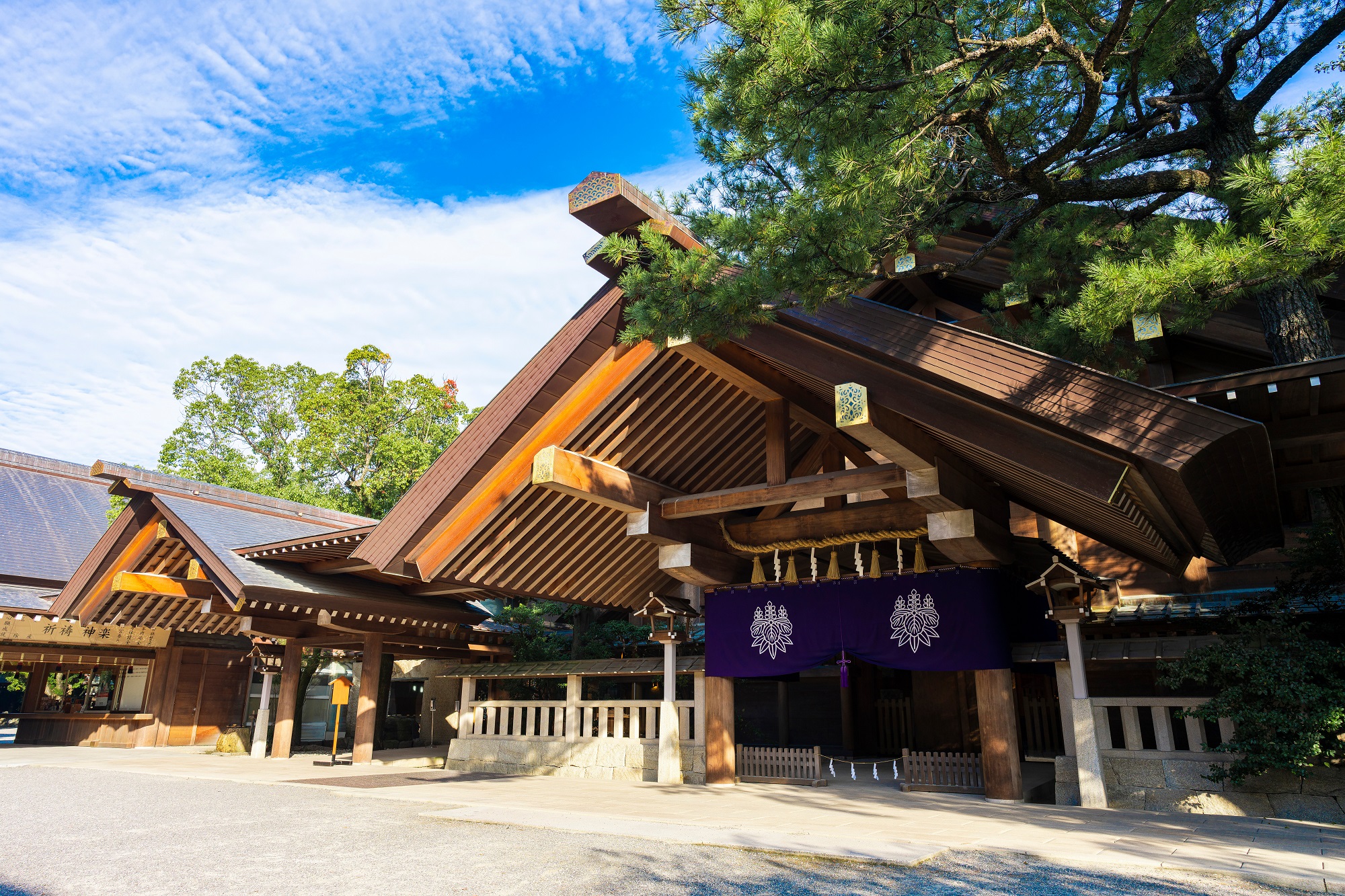
Atsuta Jingu [Shrine] / 熱田神宮 (Aichi)
Built in the year 113 (the 43rd year of Emperor Keiko's reign), Atsuta Shrine (Atsuta Jingu) has a history dating back over 1,900 years. As the second most sacred shrine in Japan after Ise Shrine (Ise....
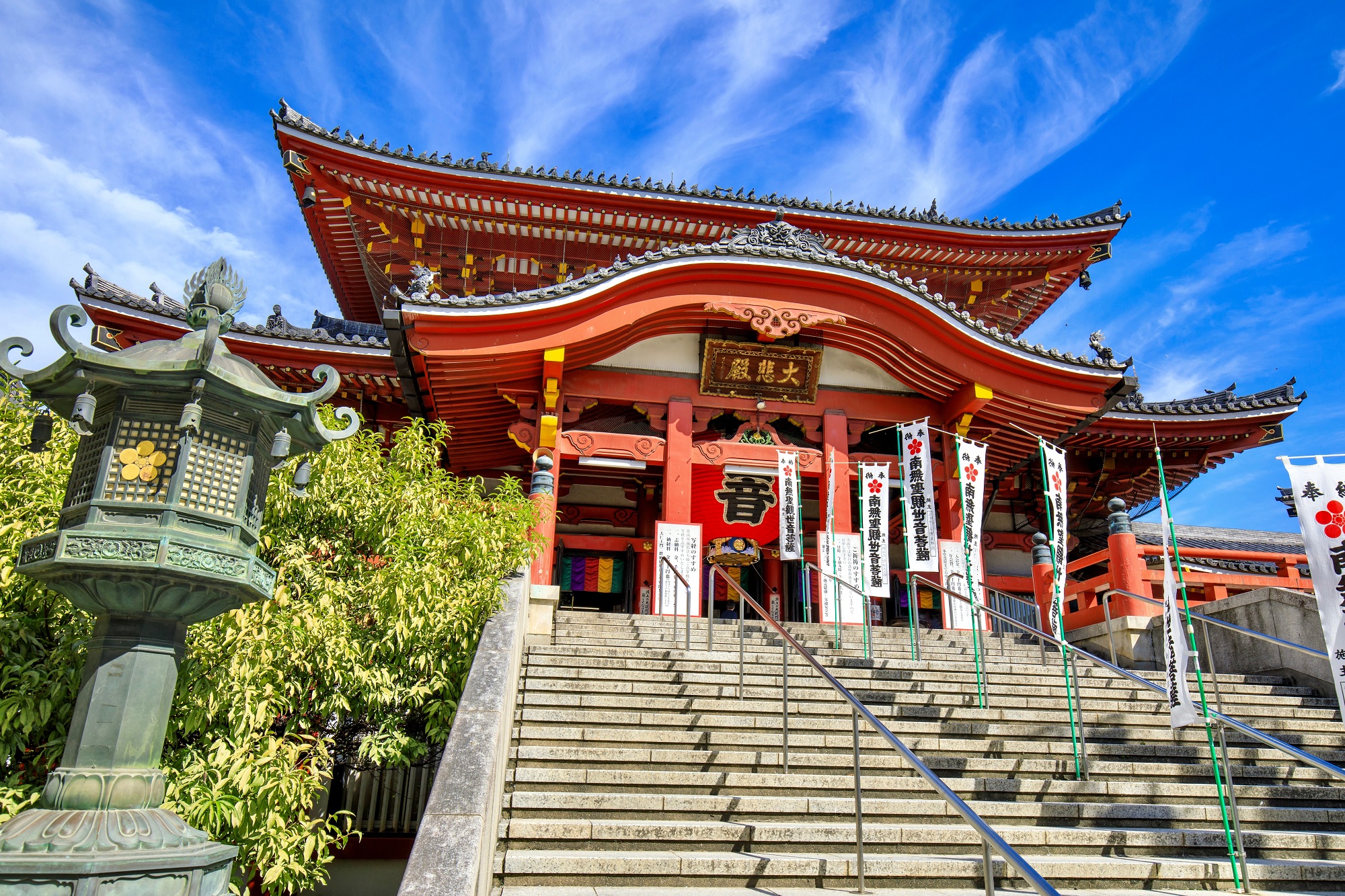
Osu Kannon Temple / 大須観音 (Aichi)
Osu Kannon is one of Japan’s three most prestigious Kannon sacred sites, along with Asakusa Kannon in Tokyo and Tsu Kannon in Mie Prefecture. Founded by Noshin-Shonin in 1324, the main object of worsh....
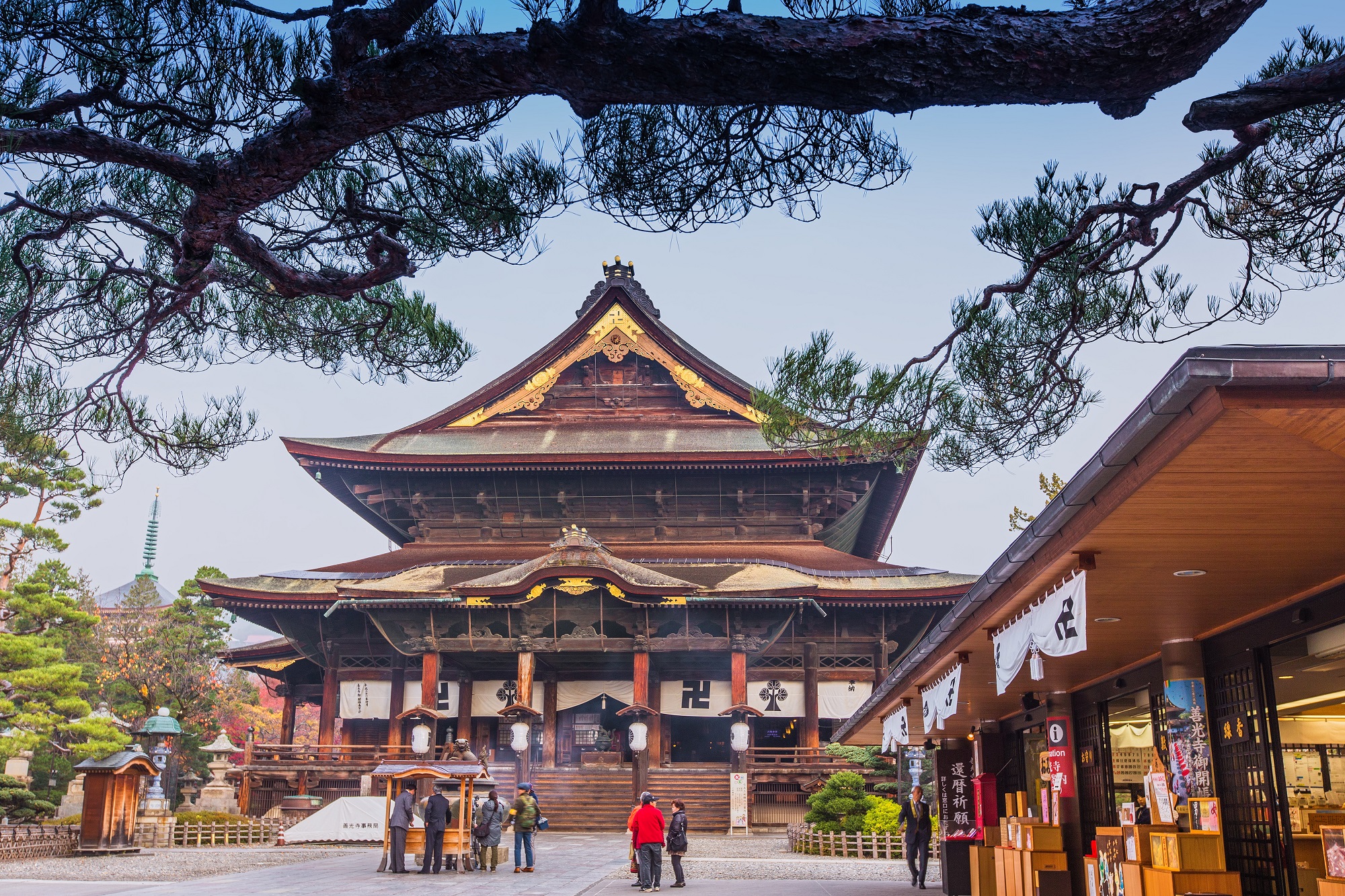
Zenkoji Temple / 善光寺 (Nagano)
Zenkoji Temple dates back over 1,400 years and has been widely known and endeared since ancient times as a temple not affiliated with any particular religious sect, but rather welcoming to people of a....
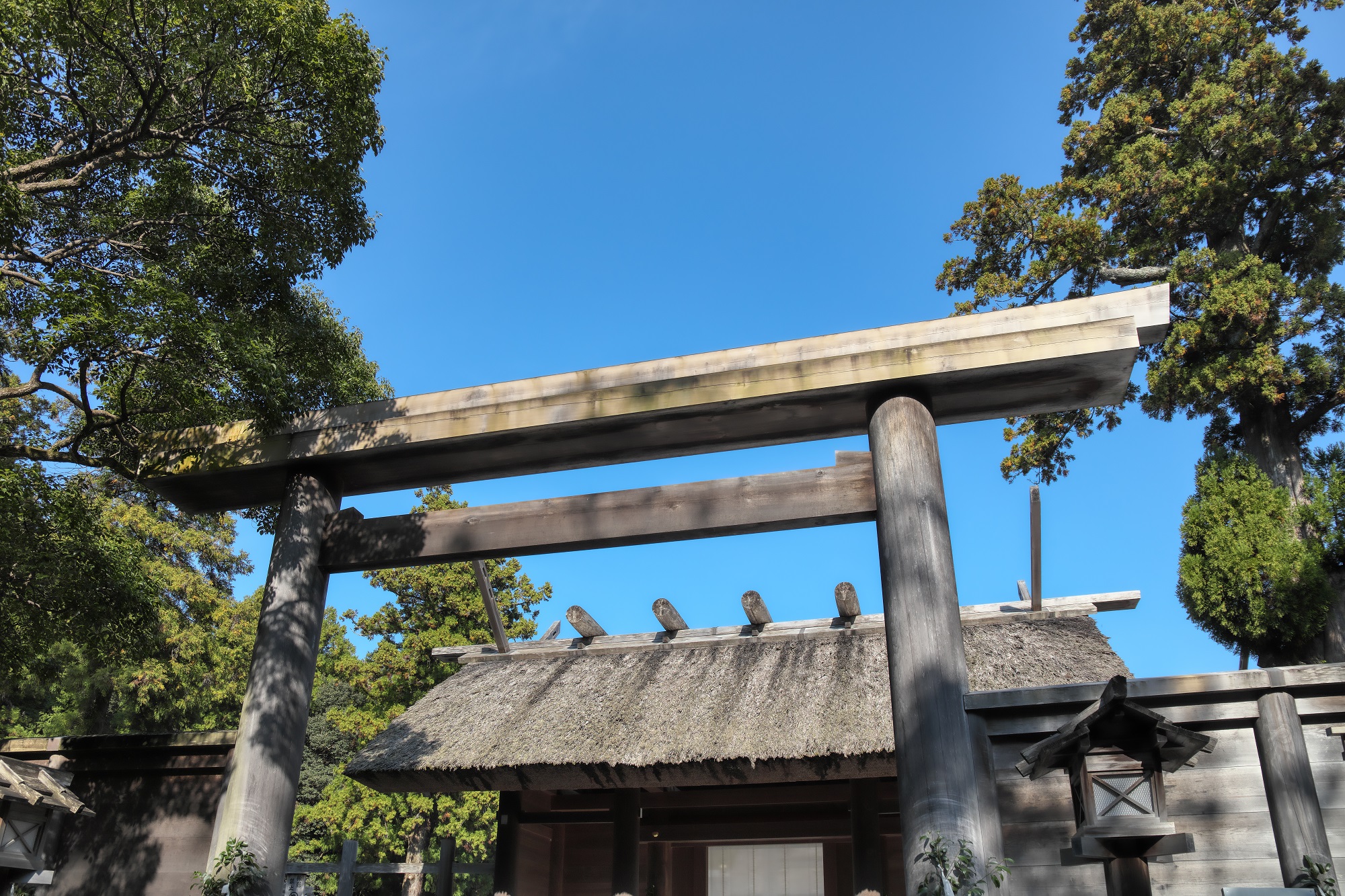
Ise Jingu / 伊勢神宮 (Mie)
During the Edo Period (1600-1868), it became popular for people to partake in “okage mairi” processions, during which large groups of people flocked to worship together at Ise Jingu Shrine. During thi....
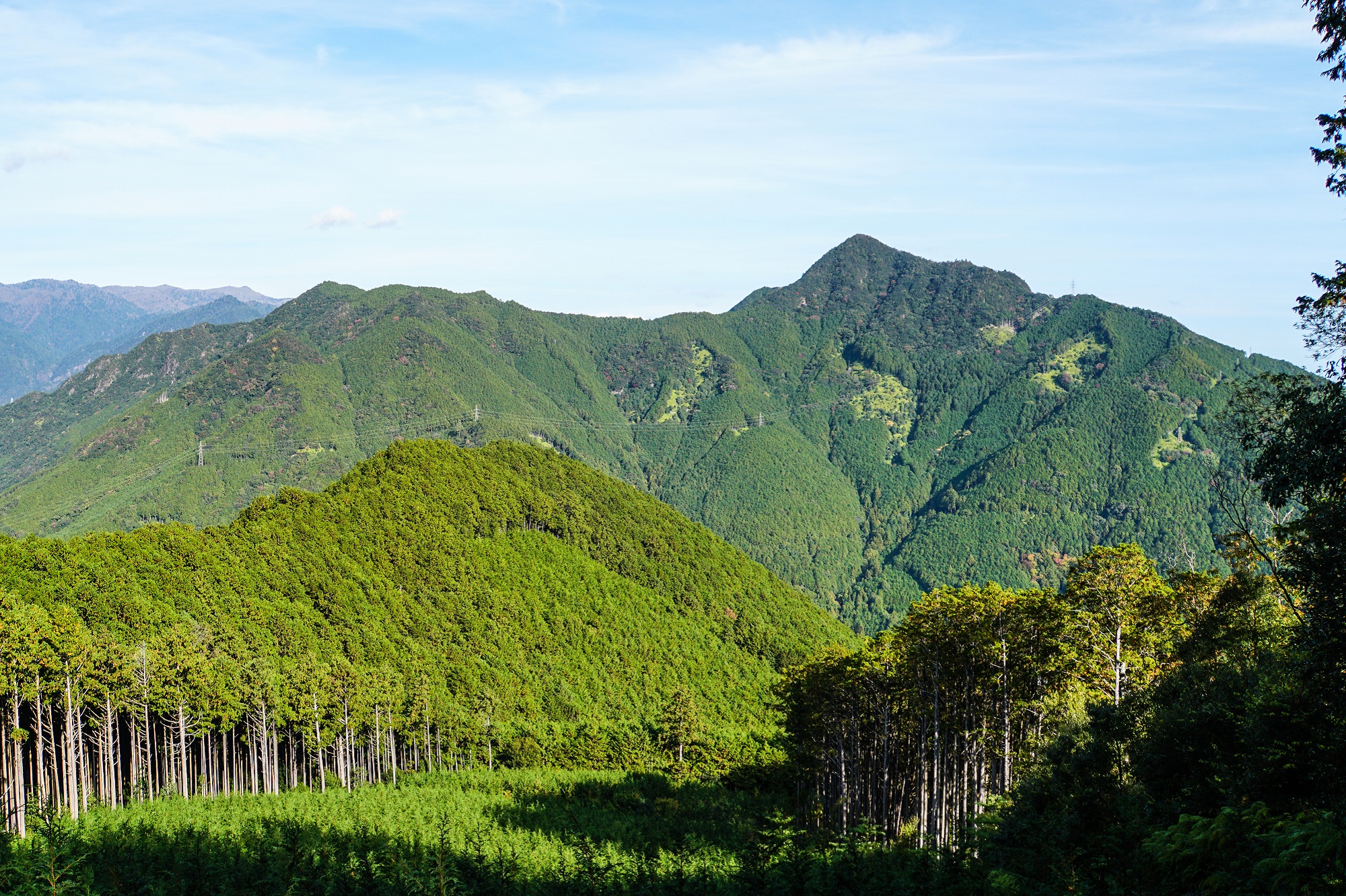
Kumano Kodo / 熊野古道 (Mie)
The Kii Mountain Range is home to the three sacred sites of Kumano Sanzan (Three Kumano Shrines), Koyasan (Mt. Koya), and Yoshino-and-Omine, which have nurtured various forms of faith, including Shint....
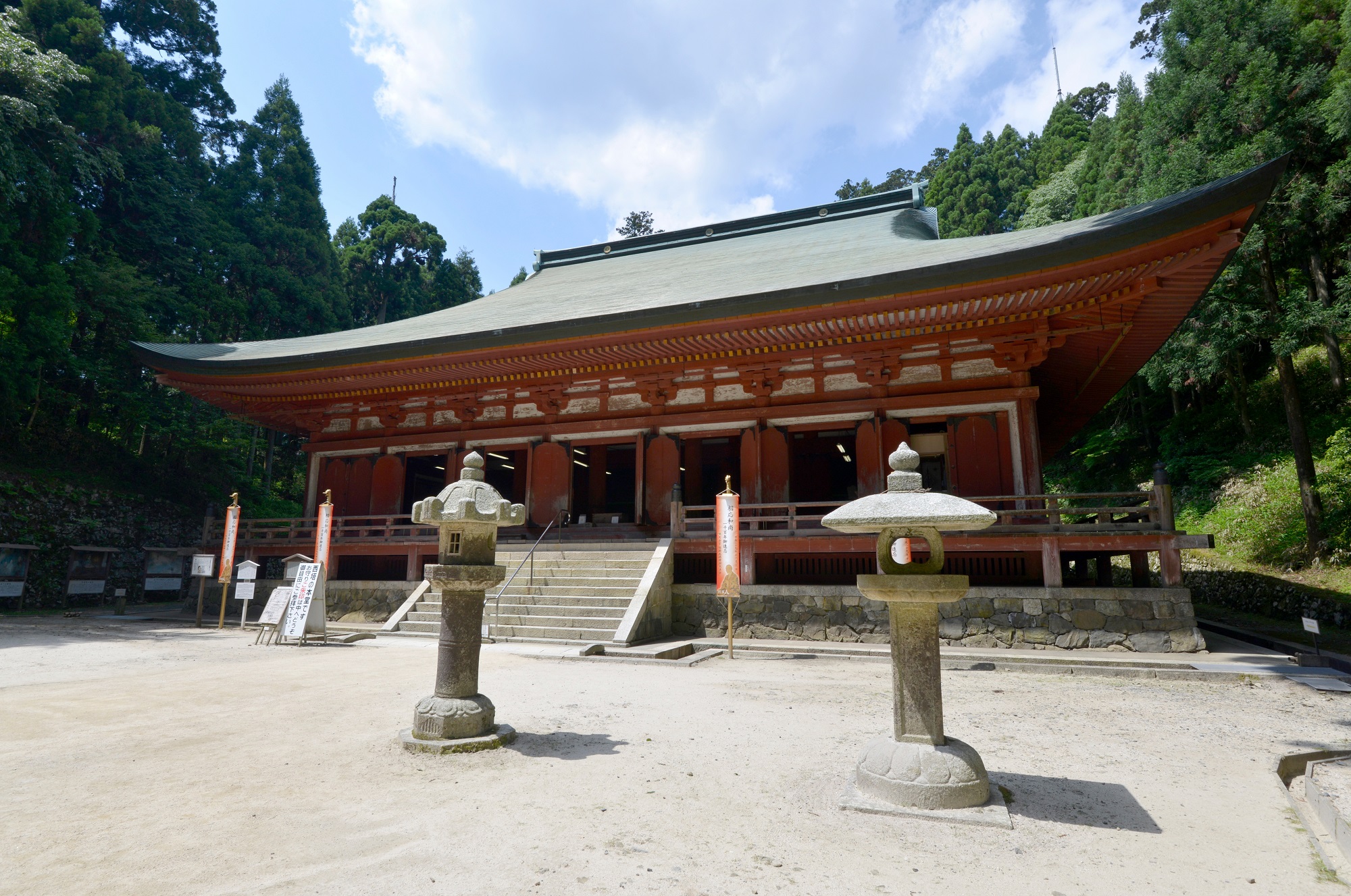
Enryakuji Temple / 比叡山延暦寺 (Shiga)
Hieizan Enryakuji is the head temple of the Tendai sect of Buddhism in Japan, and its vast temple area stretches out across Mt. Hiei. The temple is said to have been founded in 785, at the end of the ....
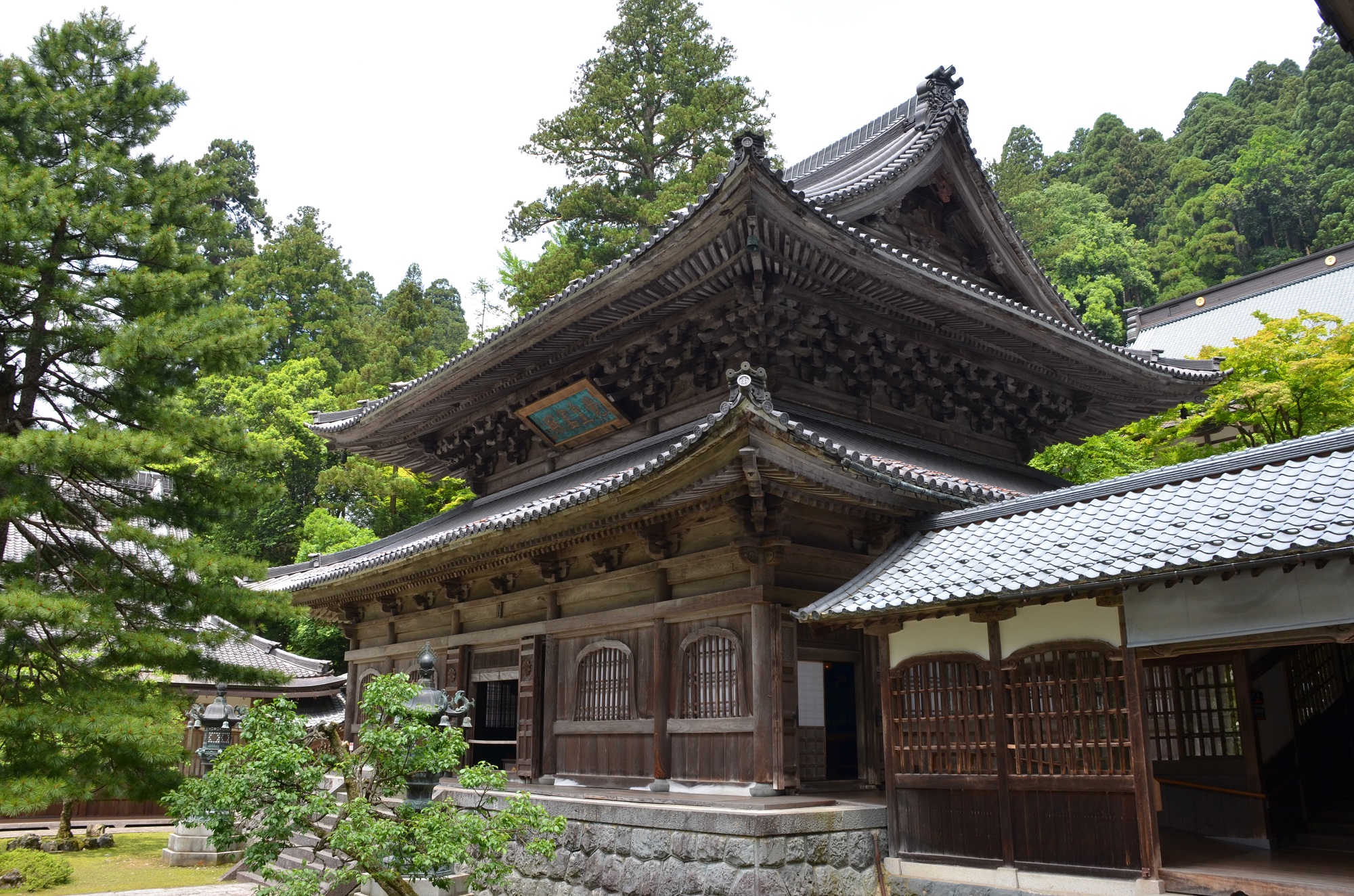
Eiheiji / 永平寺 (Fukui)
Eiheiji Temple, founded in 1244 by Zen Master Dogen, is a Zen training center and the head temple of the Soto sect of Buddhism in Japan. Located deep in the mountains in a verdant natural setting, the....
News
Latest news and staff posts from Meitetsu World Travel.
2026.9.28What's new
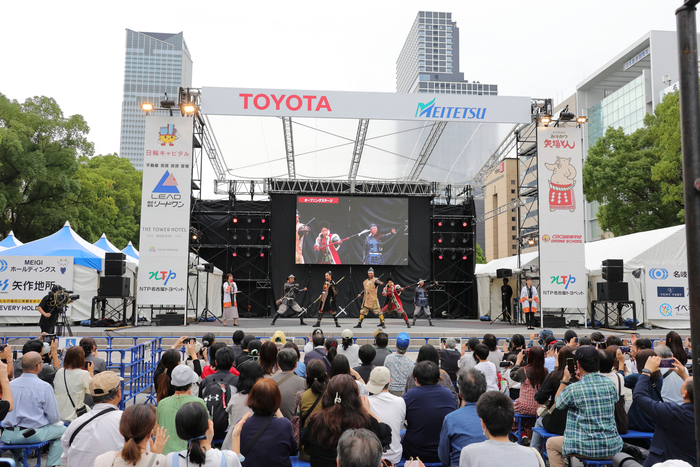
Experience the Nagoya Festival 2026: A Spectacular Celebration of History, Culture, and Samurai Heritage
2026.9.28What's new
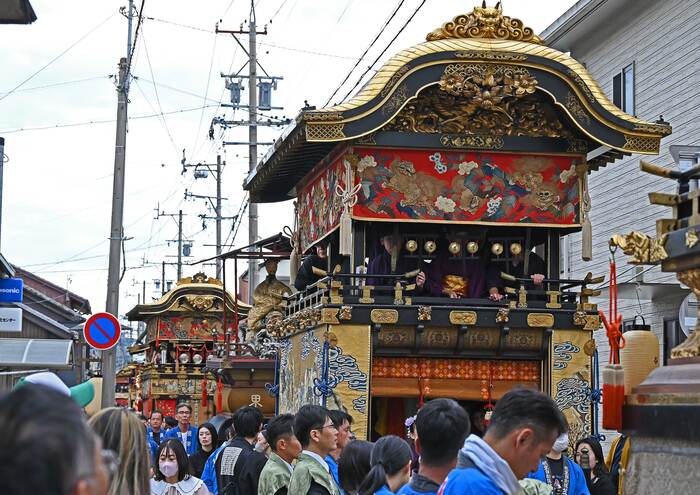
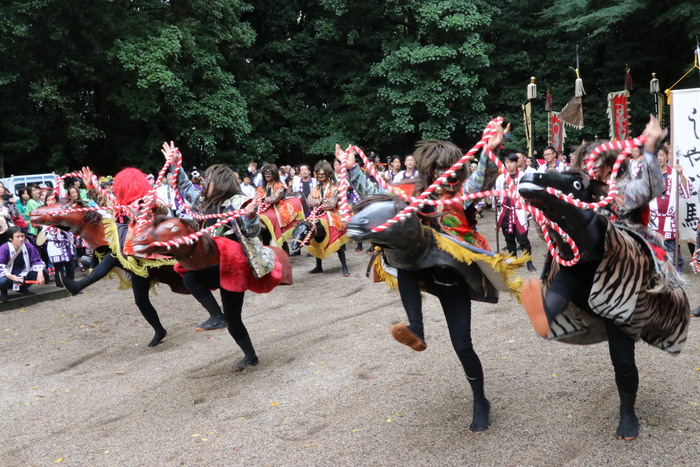
Tsu Festival: A Nearly 390-Year-Old Celebration of Traditional Arts and Yosakoi
2026.9.16What's new
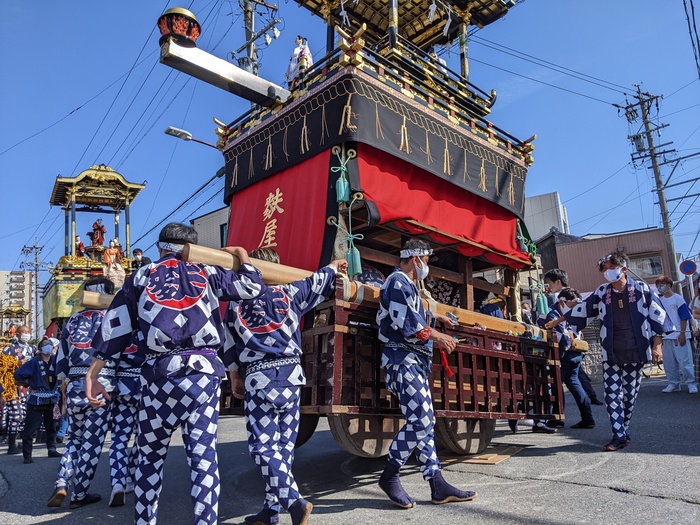
Owari Tsushima Autumn Festival: Experience Traditional Japanese Floats and Karakuri Puppets
 Nagoya Travel Guide